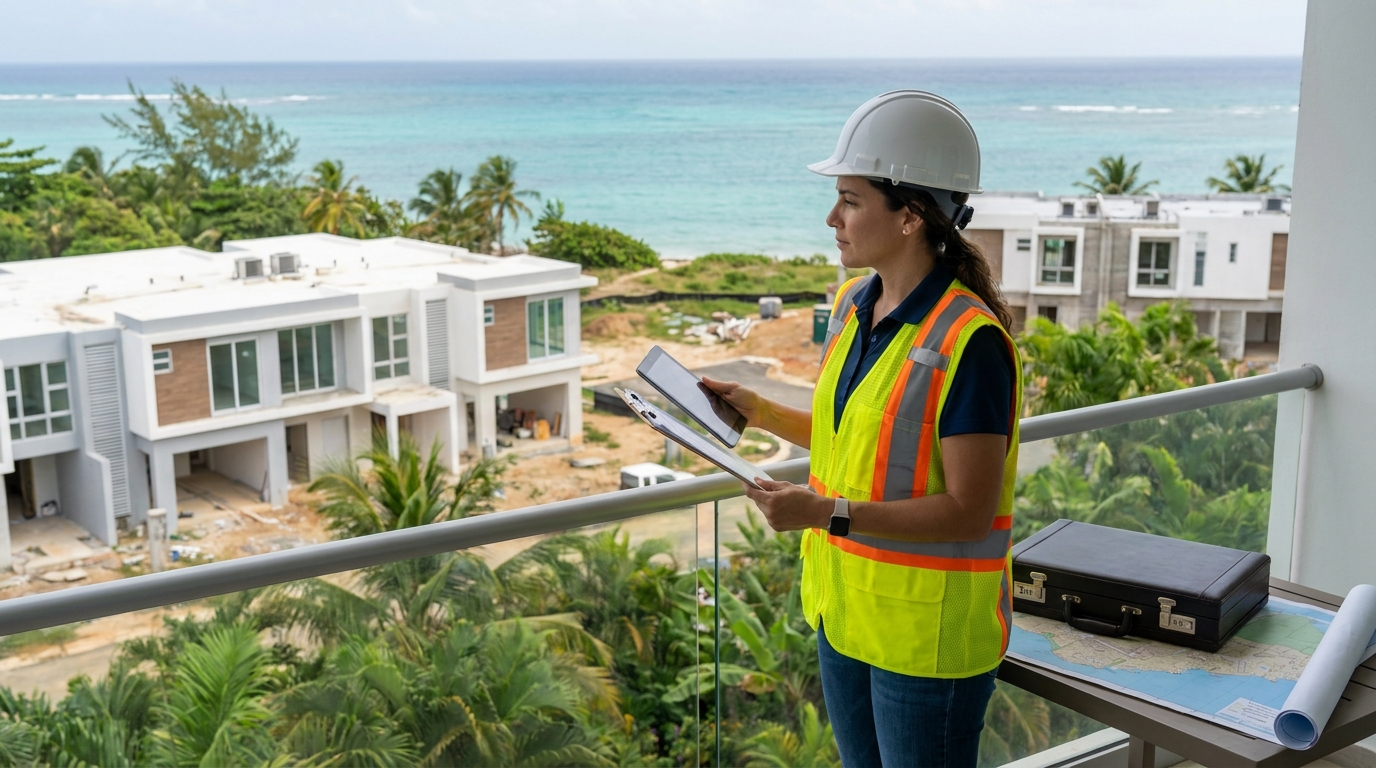

Why Environmental Due Diligence Matters in Puerto Rico Real Estate Transactions
Environmental contamination can cost you hundreds of thousands of dollars in remediation expenses, legal liability, and lost property value. When you purchase real estate in Puerto Rico, you inherit not only the land and structures but also any environmental liabilities attached to that property. A seller may not disclose contamination. Previous industrial uses may have left toxic residue in the soil or groundwater. Underground storage tanks may be leaking. Wetlands may be present, triggering regulatory restrictions. Without proper environmental due diligence, you could find yourself responsible for cleanup costs that dwarf your original purchase price.
Environmental due diligence is the systematic process of investigating a property's environmental condition before you commit to purchase. This investigation protects your financial interests, ensures regulatory compliance, and prevents you from inheriting someone else's environmental problems. In Puerto Rico, where tropical climate, coastal properties, and historical industrial activity create unique environmental risks, this process is not optional for serious investors and business owners.
The Environmental Assessment Process in Puerto Rico
Environmental due diligence typically begins with a Phase I Environmental Site Assessment, or ESA. This is a non-invasive investigation that examines the property's history, current condition, and regulatory status. A Phase I ESA includes a review of historical records, site reconnaissance, interviews with current and former property owners, and a search of environmental databases maintained by Puerto Rico's Department of Environmental Quality and federal agencies.
The Phase I process identifies recognized environmental conditions, or RECs. A REC is evidence that a hazardous substance or petroleum product is present on the property in concentrations that may pose a risk to human health or the environment. RECs can include underground storage tanks, asbestos-containing materials, lead-based paint, soil contamination, groundwater contamination, or improper waste disposal.
If the Phase I ESA identifies RECs or if you have specific concerns about contamination, a Phase II ESA becomes necessary. Phase II involves soil sampling, groundwater testing, and laboratory analysis. These samples are collected from locations identified as high-risk during the Phase I investigation. Phase II results provide concrete data about contamination levels and help determine whether remediation is required under Puerto Rico environmental law.
Phase III ESA, if needed, involves the actual remediation of identified contamination. This stage is expensive and time-consuming, but it may be necessary to bring the property into compliance with environmental regulations or to reduce liability exposure.
Puerto Rico's Environmental Regulatory Framework
Puerto Rico operates under both its own environmental laws and federal environmental statutes. The Department of Environmental Quality, or DRNA, administers most environmental regulations on the island. Understanding which regulations apply to your property is essential for compliance and liability assessment.
The Puerto Rico Environmental Policy Act establishes the framework for environmental protection and requires environmental impact assessments for certain projects. The Water Quality Standards and Regulations govern contamination of surface water and groundwater. The Solid Waste Management Regulations address disposal of waste materials. The Air Quality Regulations control emissions. The Hazardous Waste Regulations govern the handling and disposal of hazardous materials.
Federal law also applies in Puerto Rico. The Comprehensive Environmental Response, Compensation, and Liability Act, known as CERCLA, creates liability for current property owners and operators for contamination, regardless of whether they caused it. The Resource Conservation and Recovery Act, or RCRA, regulates hazardous waste. The Clean Water Act restricts activities in wetlands and regulates water pollution. The Clean Air Act controls air emissions. Understanding how these federal statutes interact with Puerto Rico law is critical for assessing your liability exposure.
Coastal properties face additional regulatory scrutiny. Puerto Rico's Coastal Zone Management Act restricts development in coastal areas and requires permits for activities that affect coastal resources. Wetlands are protected under both Puerto Rico and federal law. If your property contains wetlands, you may face restrictions on development, drainage, or fill activities.
Historical Industrial Activity and Contamination Risk
Puerto Rico's industrial history creates significant contamination risks in certain areas. The island was a major center for petrochemical refining, pharmaceutical manufacturing, and metal processing. Many industrial facilities operated for decades with minimal environmental oversight. Some facilities have closed, leaving contaminated sites behind. Others continue operating but may have legacy contamination from past practices.
Properties in or near industrial zones carry higher contamination risk. Properties adjacent to former manufacturing facilities may have received contamination through groundwater migration or surface runoff. Properties in areas with historical sugar cane processing, rum production, or other agricultural industries may contain residual contamination from those operations.
The Phase I ESA will examine historical uses of the property and surrounding properties. This historical analysis is critical for identifying potential contamination sources. Records from Puerto Rico's Department of Environmental Quality, property deed histories, aerial photographs, and interviews with long-time residents can reveal past industrial activity that created contamination risk.
Coastal and Wetland Considerations
Puerto Rico's coastal properties present unique environmental challenges. Saltwater intrusion can contaminate groundwater in coastal areas. Storm surge and flooding risk increase in low-lying coastal properties. Mangrove wetlands and seagrass beds are protected ecosystems that restrict development. Coral reefs near the shore are protected under federal law.
If your property is located in a coastal zone, you must determine whether it contains wetlands. Wetlands include mangrove forests, salt marshes, and other areas that are periodically inundated with water. Wetlands are protected under the Clean Water Act and Puerto Rico law. Development in wetlands requires permits from the Army Corps of Engineers and Puerto Rico's Department of Environmental Quality. Unauthorized filling or draining of wetlands can result in significant fines and mandatory restoration.
Coastal properties also face restrictions under Puerto Rico's Coastal Zone Management Act. This law protects coastal resources and restricts certain activities within the coastal zone. If you plan to develop a coastal property, you must obtain a coastal zone permit. The permitting process can be lengthy and may impose conditions on your development plans.
Environmental due diligence for coastal properties should include a wetlands delineation study if wetlands may be present. This study identifies the boundaries of wetlands on the property and determines whether federal or state permits are required for your intended use.
Underground Storage Tanks and Petroleum Contamination
Underground storage tanks, or USTs, are a common source of environmental liability. Many older properties contain USTs that stored heating oil, gasoline, diesel fuel, or other petroleum products. Over time, these tanks corrode and leak. Petroleum contamination can spread through soil and groundwater, affecting the property and neighboring properties.
Puerto Rico requires registration of all USTs with the Department of Environmental Quality. During the Phase I ESA, the investigator will search for records of registered USTs on the property. If USTs are present, you need to determine their current condition. Are they still in use? Have they been properly closed and removed? If they remain in the ground, have they been properly decommissioned?
If a UST has leaked, soil and groundwater contamination may be present. Remediation of petroleum contamination can be expensive, particularly if the contamination has spread to groundwater or neighboring properties. In some cases, Puerto Rico's Department of Environmental Quality may require long-term monitoring and remediation. In other cases, the property may qualify for a remedial action permit that allows the contamination to remain in place if it does not pose an unacceptable risk.
The Phase I ESA should specifically address USTs. If USTs are present or suspected, Phase II testing should include soil and groundwater sampling at locations where leaks are most likely to have occurred.
Asbestos, Lead, and Other Hazardous Materials
Older buildings in Puerto Rico often contain asbestos-containing materials. Asbestos was widely used in insulation, floor tiles, roofing materials, and other building components until the 1980s. Asbestos is not hazardous if it remains undisturbed, but disturbance during renovation or demolition can release asbestos fibers into the air, creating a serious health risk.
If you plan to renovate or demolish a building constructed before 1980, you should assume asbestos is present unless testing proves otherwise. Puerto Rico law requires that asbestos be properly identified and removed by licensed contractors before renovation or demolition. Failure to follow proper asbestos removal procedures can result in fines and liability for health effects.
Lead-based paint is another common hazard in older buildings. Lead paint was used extensively in Puerto Rico until the 1970s. Lead exposure, particularly in children, can cause serious health effects. If you plan to renovate a property with lead-based paint, federal law requires that you follow specific lead-safe work practices. Puerto Rico law imposes additional requirements for lead disclosure and remediation.
The Phase I ESA should identify the presence of asbestos-containing materials and lead-based paint. If renovation or demolition is planned, you should budget for proper removal and disposal of these materials. The cost of asbestos and lead remediation can be substantial and should be factored into your purchase decision.
Environmental Liability and Insurance
Environmental liability is a serious concern for property owners. Under CERCLA and Puerto Rico law, the current property owner is liable for contamination cleanup costs, regardless of whether the owner caused the contamination. This liability can be substantial. Remediation of heavily contaminated sites can cost millions of dollars.
Environmental liability insurance can protect you against these costs. Pollution liability insurance covers cleanup costs and third-party claims arising from environmental contamination. Environmental impairment liability insurance covers costs of remediating contamination discovered during your ownership. These policies have limits, exclusions, and conditions that you should understand before purchase.
Insurance is not a substitute for due diligence. You should still conduct thorough environmental investigation before purchase. Insurance may not cover contamination that existed before you purchased the property, depending on the policy terms. Insurance may not cover contamination caused by your own operations or negligence. Insurance may not cover all types of contamination or all remediation costs.
Environmental liability insurance should be considered as part of your overall risk management strategy, not as a replacement for proper due diligence.
Environmental Due Diligence for Different Property Types
Environmental risks vary depending on the property type and intended use. Commercial properties, industrial properties, and residential properties face different environmental challenges.
Commercial properties in urban areas may have contamination from historical industrial uses, underground storage tanks, or improper waste disposal. Environmental due diligence should focus on the property's history and current condition. If the property is located in an area with known contamination, additional investigation may be necessary.
Industrial properties carry the highest environmental risk. If you are purchasing a property that will be used for manufacturing, chemical processing, or other industrial activities, you must understand the environmental liabilities associated with that use. You must also ensure that your intended use complies with Puerto Rico environmental regulations and zoning laws.
Residential properties may contain asbestos, lead-based paint, or other hazards, but are less likely to have soil or groundwater contamination unless the property is located near industrial facilities or has a history of industrial use. Environmental due diligence for residential properties should focus on building materials and the property's history.
Agricultural properties may have contamination from pesticides, fertilizers, or other agricultural chemicals. If you are purchasing agricultural property, environmental due diligence should include testing for agricultural chemical residues.
The Role of Environmental Professionals
Environmental due diligence requires the involvement of experienced environmental professionals. Environmental consultants conduct Phase I and Phase II ESAs. Environmental engineers design and oversee remediation. Environmental attorneys advise on regulatory compliance and liability issues.
When selecting an environmental consultant, choose a firm with experience in Puerto Rico. Puerto Rico's environmental regulations, climate, geology, and industrial history are unique. A consultant familiar with these factors will conduct a more thorough and accurate assessment than a consultant without Puerto Rico experience.
Environmental consultants should be licensed or certified by appropriate professional organizations. The American Society of Professional Engineers, the American Institute of Professional Geologists, and other professional organizations maintain standards for environmental professionals. Consultants who meet these standards are more likely to conduct thorough, accurate investigations.
Your attorney should work closely with your environmental consultant. Your attorney can help you understand the legal implications of environmental findings and advise you on how to address environmental issues before closing the transaction.
Negotiating Environmental Issues in Purchase Agreements
If environmental due diligence identifies contamination or other environmental issues, you have several options. You can negotiate a price reduction to account for remediation costs. You can require the seller to remediate the contamination before closing. You can obtain environmental liability insurance. You can terminate the purchase if the environmental issues are too severe.
Your purchase agreement should include environmental contingencies that allow you to conduct due diligence and terminate the purchase if unacceptable environmental conditions are discovered. The agreement should specify who is responsible for remediation of pre-existing contamination. The agreement should address environmental permits and compliance with environmental regulations.
If the seller agrees to remediate contamination, the agreement should specify the scope of remediation, the timeline for completion, and the standards that remediation must meet. The agreement should require that remediation be completed before closing or that funds be held in escrow to ensure completion after closing.
Environmental issues can significantly impact the value and usability of a property. Proper negotiation of environmental issues in the purchase agreement protects your interests and ensures that you understand your environmental liabilities before closing.
Post-Closing Environmental Compliance
Environmental due diligence does not end at closing. As the property owner, you have ongoing obligations to comply with environmental regulations. You must maintain environmental permits. You must report environmental violations to the Department of Environmental Quality. You must properly manage hazardous materials and waste. You must maintain records of environmental compliance activities.
If you discover contamination after closing, you must report it to the Department of Environmental Quality. Failure to report known contamination can result in fines and penalties. You may be required to conduct additional investigation and remediation.
If you plan to develop or redevelop the property, you must obtain environmental permits and comply with environmental regulations. Development in sensitive areas such as wetlands or coastal zones requires additional permits and environmental review.
Ongoing environmental compliance is part of responsible property ownership. Understanding your environmental obligations before closing helps you budget for compliance costs and avoid violations.
Next Steps: Protect Your Investment with Professional Guidance
Environmental due diligence is a critical step in any Puerto Rico real estate transaction. The cost of thorough environmental investigation is small compared to the potential cost of environmental liability. Before you commit to purchasing real estate in Puerto Rico, ensure that you understand the environmental condition of the property and your potential environmental liabilities.
The Puerto Rico Business Law Firm can help you navigate environmental issues in real estate transactions. Christian M. Frank Fas, Esq., has over 20 years of experience in commercial and business law, including environmental compliance and real estate transactions. We work with experienced environmental consultants to ensure that your due diligence is thorough and accurate. We help you negotiate environmental issues in purchase agreements and advise you on post-closing environmental compliance.
Contact the Puerto Rico Business Law Firm for a free initial evaluation of your real estate transaction. We will review your situation, identify potential environmental issues, and advise you on the steps necessary to protect your investment. Schedule your free initial evaluation today.