
Table of Contents
Understanding Bankruptcy in Puerto Rico: A Practical Overview
When considering doing business or investing in Puerto Rico, understanding how bankruptcy works on the island can be a key part of your strategy. Bankruptcy filings are often viewed as a last resort, but they also serve as a structured way to resolve financial difficulties. For entrepreneurs and investors, knowing the basics can help you make informed decisions and prepare for potential challenges.
What Is Bankruptcy and Why Does It Matter?
Bankruptcy is a legal process that helps businesses or individuals manage overwhelming debt. It provides a way to reorganize or eliminate debts, giving a fresh start. In Puerto Rico, bankruptcy laws are aligned with federal statutes, but there are local nuances that can influence how filings are handled. Understanding these differences can be vital for those doing business on the island.
Types of Bankruptcy Filings in Puerto Rico
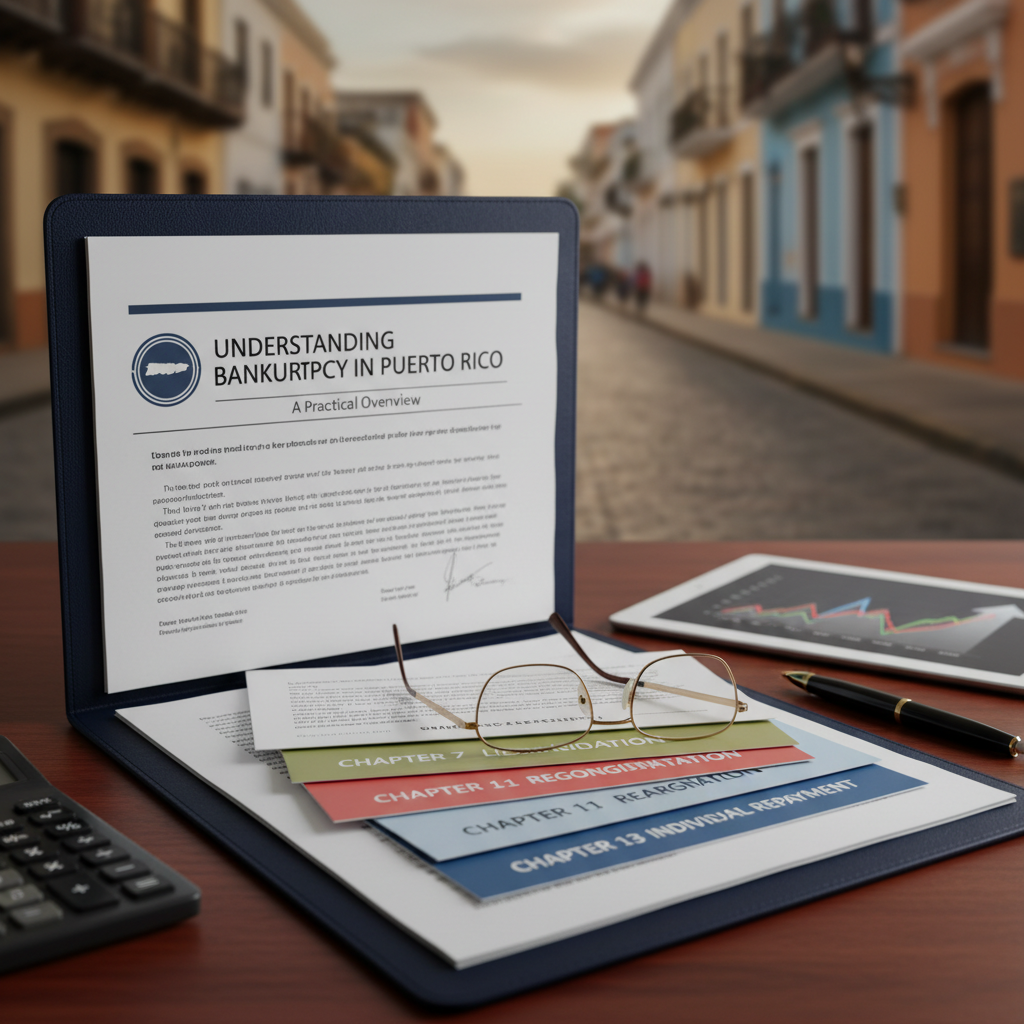
- Chapter 7: Often called liquidation, this type involves selling off assets to pay creditors. It is typically used by businesses or individuals who cannot see a way to reorganize their debts.
- Chapter 11: Known as reorganization, this allows a business to continue operating while restructuring its debts. It is common among larger companies or those with complex financial situations.
- Chapter 13: Primarily for individuals, this involves creating a repayment plan to settle debts over time. While less common for businesses, it can be relevant for sole proprietors or small entrepreneurs.
How Does Puerto Rico Handle Bankruptcy Filings?
Bankruptcy cases in Puerto Rico are filed in the United States Bankruptcy Court for the District of Puerto Rico. This court handles all types of bankruptcy cases and follows federal procedures. However, local factors such as the island’s economic environment and specific legal practices can influence how cases are processed.
Key Considerations for Business Owners
- Asset Protection: Puerto Rico offers certain protections for business assets, but understanding what is at risk during a bankruptcy is essential.
- Tax Implications: Bankruptcy can impact tax obligations, including potential benefits or liabilities. Consulting with a focused legal or financial advisor can clarify these effects.
- Reorganization Opportunities: Chapter 11 provides a chance to restructure debts and continue operations, which can be advantageous for businesses facing temporary setbacks.
- Legal Process Duration: The timeline for bankruptcy proceedings can vary, often influenced by case complexity and court caseloads. Planning for this process is important for ongoing business operations.
Why Is It Important to Understand Bankruptcy in Puerto Rico?
Knowing how bankruptcy filings work on the island helps entrepreneurs and investors assess risks and develop strategies. It also ensures that you are prepared should financial difficulties arise, allowing for a smoother process and better outcomes. Being informed about local procedures and legal nuances can make a significant difference in managing financial challenges effectively.
Final Thoughts
Bankruptcy filings in Puerto Rico are a structured way to address financial distress, with processes aligned to federal standards but influenced by local factors. For business-minded individuals, understanding these options can be a valuable part of your overall planning. Staying informed about how bankruptcy works on the island helps you make decisions that support your long-term goals and stability.