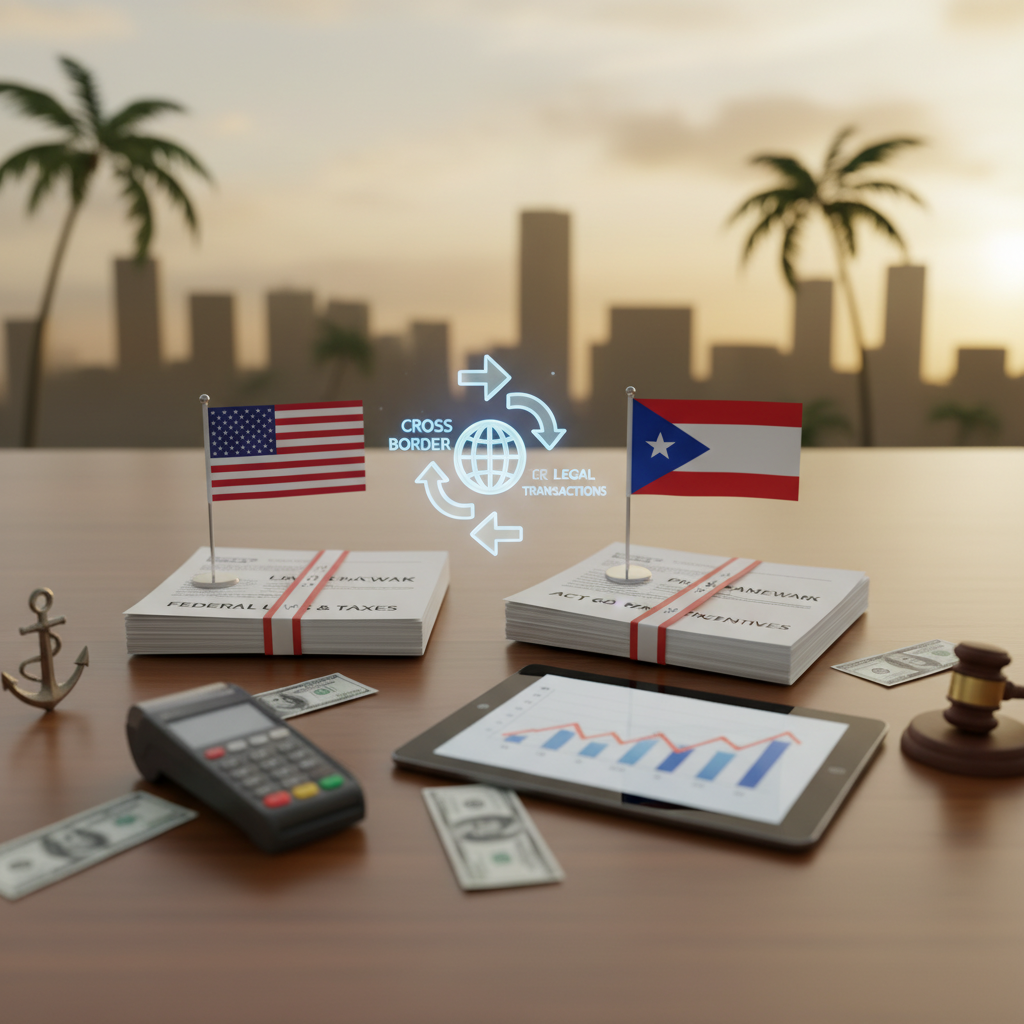

Understanding Cross-Border Transactions in Puerto Rico
For U.S. entrepreneurs and investors, Puerto Rico offers a unique blend of opportunities and considerations when it comes to cross-border transactions. While the island is a U.S. territory, its distinct legal and tax environment creates a different landscape for conducting international business. Recognizing how these transactions work and what to watch for can make a significant difference in managing risks and maximizing benefits.
Puerto Rico’s Legal Framework and Its Impact
Although Puerto Rico operates under U.S. federal law, it has its own local laws governing commercial transactions. This means that when engaging in cross-border deals—whether importing, exporting, or establishing international partnerships—businesses must understand both federal U.S. regulations and local Puerto Rican rules. This dual legal environment influences contract enforceability, tax obligations, and dispute resolution processes.
Tax Considerations for Cross-Border Transactions
Puerto Rico offers attractive tax incentives for certain types of international transactions, especially through programs like Act 60 (formerly Acts 20 and 22). These incentives can reduce or eliminate taxes on income generated from eligible activities. However, compliance requires careful planning to ensure transactions qualify and that reporting obligations are met. It’s important to distinguish between federal U.S. tax rules and Puerto Rican tax laws, as they may differ significantly.
Currency and Payment Methods
Since Puerto Rico uses the U.S. dollar, currency exchange issues are generally minimal for U.S.-based businesses. Still, international transactions involving other currencies require attention to exchange rates, transfer fees, and timing. Choosing reliable payment methods and understanding banking regulations in Puerto Rico can help streamline cross-border payments and reduce costs.
Trade Regulations and Customs
While Puerto Rico is part of the U.S. customs territory, certain import and export activities are subject to specific regulations. Businesses should be aware of tariffs, licensing requirements, and documentation needed for cross-border trade. Partnering with local customs brokers or trade consultants can facilitate smoother transactions and ensure compliance with all applicable rules.
Dispute Resolution and Contract Enforcement
Contracts involving cross-border transactions should specify the jurisdiction and method of dispute resolution. Puerto Rico’s legal system allows for arbitration and other alternative dispute resolution methods, which can be faster and more cost-effective. Clear contractual terms help prevent misunderstandings and provide a solid foundation for resolving issues if they arise.
Key Takeaways for U.S. Entrepreneurs
- Understand the local legal environment alongside federal U.S. laws.
- Plan for tax incentives and compliance requirements specific to Puerto Rico.
- Use reliable payment channels and be aware of currency considerations.
- Stay informed about trade regulations and customs procedures.
- Draft clear contracts that specify dispute resolution methods and jurisdiction.
Engaging in cross-border transactions in Puerto Rico can open doors to new markets and favorable tax treatment. However, success depends on understanding the unique legal and regulatory landscape. Working with focused professionals familiar with Puerto Rican business law can help ensure transactions are smooth, compliant, and aligned with your strategic goals.