
Table of Contents
Understanding Environmental Due Diligence in Puerto Rico
When considering real estate investments in Puerto Rico, understanding the environmental landscape is essential. Environmental due diligence involves assessing a property for potential environmental risks that could impact its value, usability, or future development. This process helps investors avoid unexpected costs and legal complications down the line.
Why Environmental Checks Matter in Puerto Rico
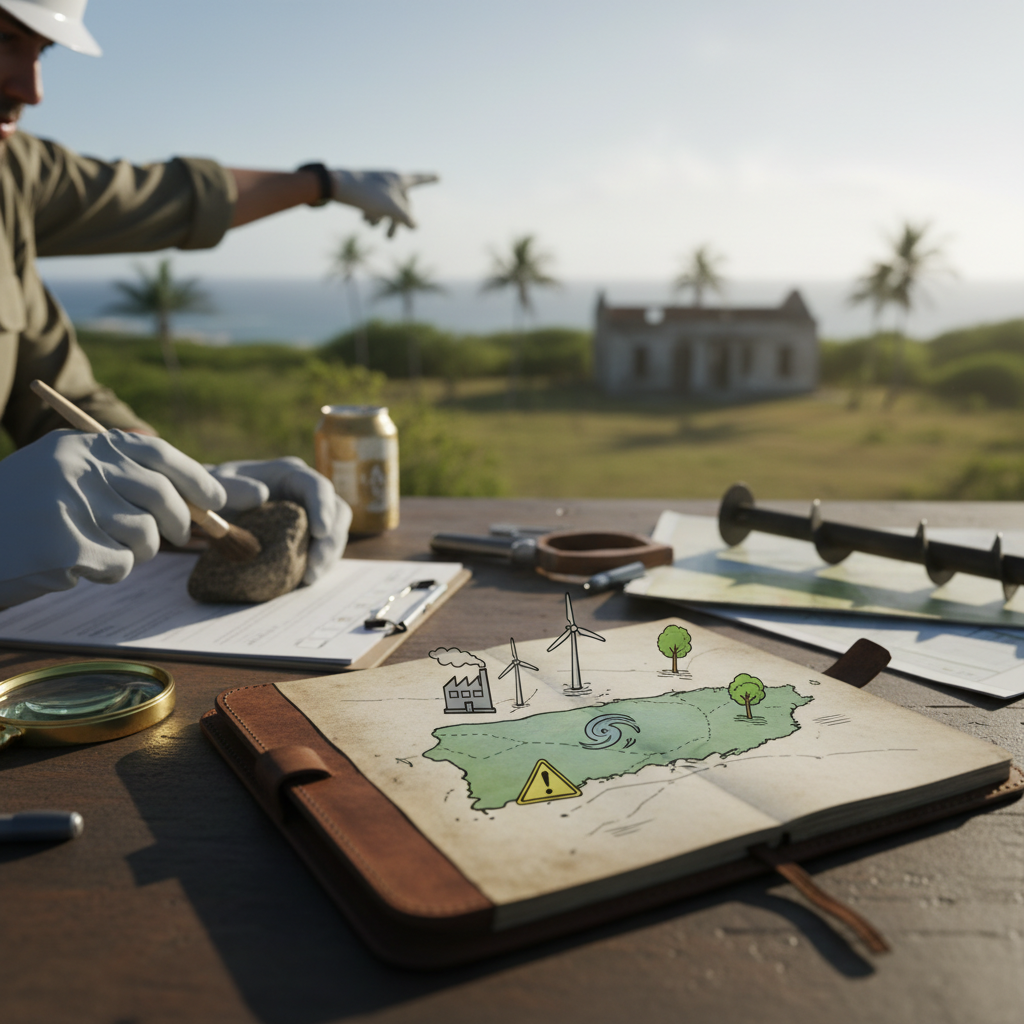
Puerto Rico's unique geography and history mean some areas may have environmental concerns that are less common elsewhere. Past industrial activity, proximity to wetlands, or areas affected by hurricanes can influence environmental conditions. Conducting thorough checks ensures that your investment aligns with environmental regulations and community standards.
Key Components of Environmental Due Diligence
- Site History Review: Investigate previous land uses to identify potential contamination or hazards. For example, former industrial sites may have residual pollutants.
- Environmental Site Assessment: This involves physical inspections and testing of soil, water, and air quality. It helps detect issues like soil contamination or water pollution.
- Regulatory Compliance Check: Ensure the property complies with local, state, and federal environmental laws. Puerto Rico has specific regulations, especially concerning wetlands and protected areas.
- Protected Areas and Ecosystems: Identify if the property is near or within protected ecosystems, such as wetlands or wildlife habitats, which may restrict development or require special permits.
- Historical and Cultural Considerations: Some sites may have cultural significance or historical designations that influence environmental management and development rights.
Common Environmental Concerns in Puerto Rico
Investors should be aware of issues like soil contamination from past industrial activity, proximity to wetlands that are protected by law, and the impact of hurricanes on land stability. Additionally, areas near former sugar plantations or mining sites may have residual environmental issues.
How to Conduct Effective Due Diligence
Partnering with local environmental consultants or firms experienced in Puerto Rican regulations can streamline the process. They can perform detailed assessments, interpret findings, and advise on necessary permits or remediation measures. It’s also wise to review environmental records maintained by local agencies, such as the Puerto Rico Environmental Quality Board.
Legal and Financial Implications
Failing to identify environmental issues before purchase can lead to costly remediation, legal disputes, or restrictions on property use. Proper due diligence helps ensure your investment is sound and compliant with all environmental laws, avoiding surprises after closing.
Conclusion
Environmental due diligence is a vital step in real estate investment in Puerto Rico. It provides a clear picture of potential risks and helps align your project with local environmental standards. Engaging focused professionals and understanding local regulations will support a smooth and responsible investment process.