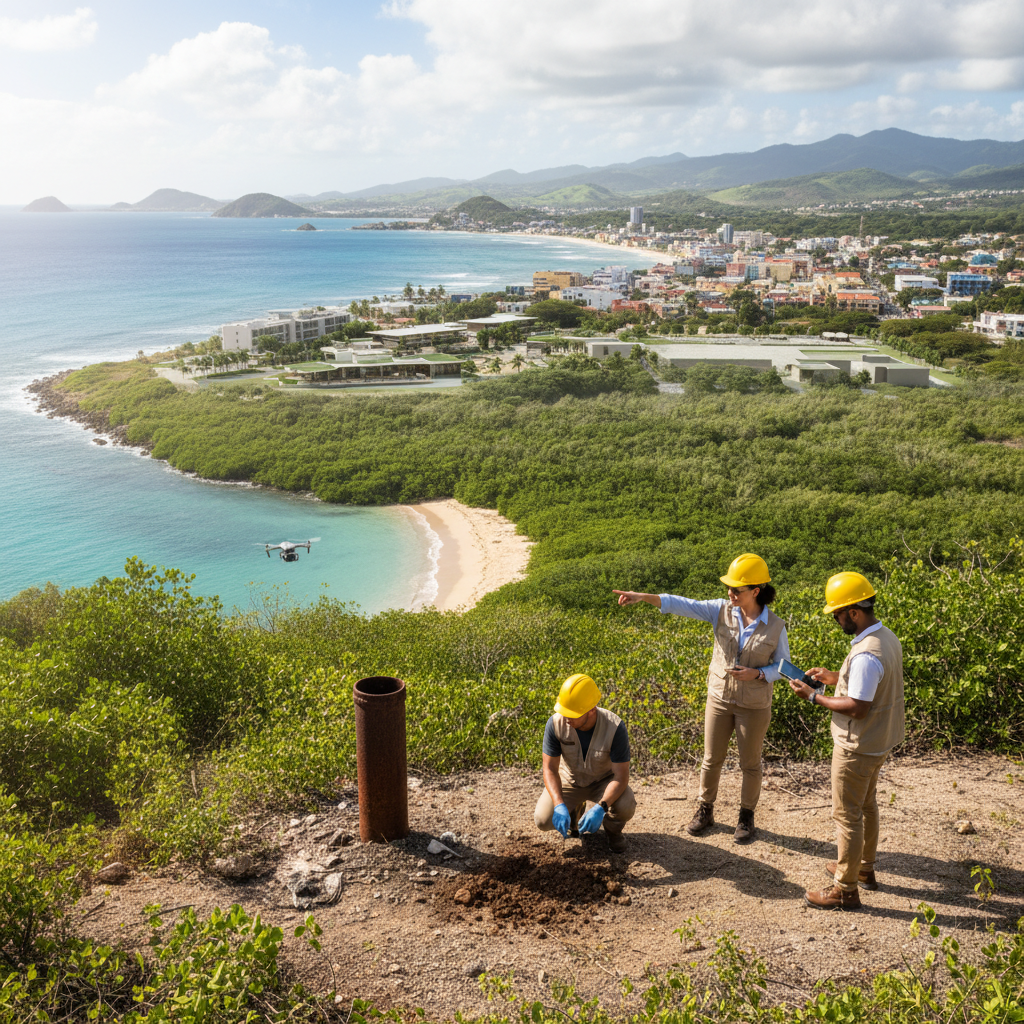

Understanding Environmental Due Diligence in Puerto Rico
When considering real estate investments in Puerto Rico, understanding the environmental landscape is essential. Environmental due diligence involves assessing a property’s history, current condition, and potential risks related to environmental factors. This process helps investors identify issues that could affect property value, future use, or compliance with local regulations.
Why Environmental Factors Matter in Puerto Rico
Puerto Rico’s unique geography and climate create specific environmental considerations. Coastal properties may face erosion or flooding risks, while former industrial sites could harbor contamination. Recognizing these factors early can prevent costly surprises down the line and ensure your investment aligns with sustainable practices.
Key Components of Environmental Due Diligence
- Historical Land Use Review: Investigate past activities on the property, such as industrial operations, waste disposal, or agricultural use. This history can reveal potential contamination or restrictions.
- Environmental Site Assessments: Conduct assessments to detect soil or water contamination. These evaluations often involve sampling and laboratory testing.
- Flood and Erosion Risks: Analyze geographic data to determine vulnerability to flooding, especially for coastal or low-lying areas. Puerto Rico’s weather patterns make this a vital step.
- Regulatory Compliance Checks: Ensure the property complies with local, state, and federal environmental laws. This includes permits, protected habitats, and waste management regulations.
- Protected Areas and Endangered Species: Confirm whether the property is near protected lands or habitats. Development restrictions may apply in these zones.
How to Approach Environmental Due Diligence in Puerto Rico
Start by engaging focused environmental professionals familiar with Puerto Rico’s regulations and landscape. They can guide you through historical research, assessments, and compliance checks. It’s also wise to review available environmental records from local agencies, such as the Puerto Rico Department of Natural and Environmental Resources.
Legal and Financial Implications
Failing to conduct thorough environmental due diligence can lead to significant legal liabilities, cleanup costs, or restrictions on property use. Proper assessment not only protects your investment but also ensures that your development plans meet all environmental standards.
Conclusion
Environmental due diligence is a vital step for any real estate investment in Puerto Rico. It provides a clear picture of potential risks and helps align your project with local environmental laws. Approaching this process with focused professionals and thorough research can save time, money, and future headaches, making your investment more secure and sustainable.