
Table of Contents
Understanding Medical Licensing in Puerto Rico for U.S. Healthcare Professionals
Many U.S.-based healthcare professionals are surprised to learn that practicing medicine in Puerto Rico involves a distinct licensing process, even though the island is a U.R. territory. While the medical standards align closely with those in the mainland United States, the licensing procedures are governed by local authorities, requiring specific steps for U.S. practitioners to legally provide medical services in Puerto Rico.
For physicians, surgeons, and other healthcare providers considering offering services in Puerto Rico, understanding the licensing landscape is essential. The process ensures that practitioners meet local standards and are authorized to operate within the island’s healthcare system.
Key Requirements for U.S. Medical Professionals
- Credential Recognition: U.S. medical licenses are generally recognized in Puerto Rico, but practitioners must submit proof of current licensure, including details of their training and certification.
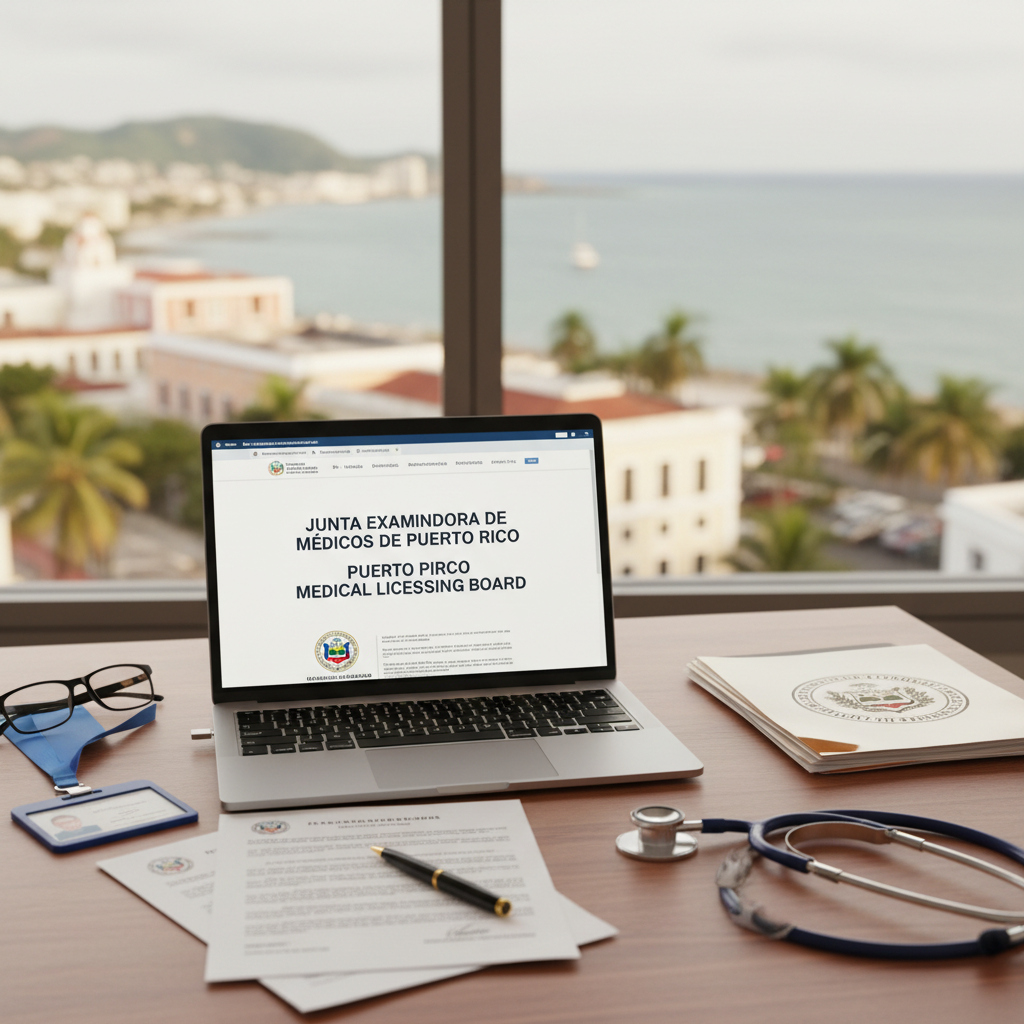
- Application Process: Applicants need to submit a formal application to the Puerto Rico Medical Licensing Board, along with supporting documents such as diplomas, exam scores, and proof of good standing.
- Language Considerations: While many medical professionals in Puerto Rico speak English, official documentation and licensing procedures are primarily in Spanish. Having bilingual documentation or assistance can streamline the process.
- Examinations and Continuing Education: Some practitioners may be required to pass a local jurisprudence exam or demonstrate ongoing education credits aligned with Puerto Rican standards.
Specialized Medical Fields and Licensing Nuances
Practitioners in specialized fields such as dentistry, optometry, or pharmacy must adhere to additional licensing requirements. These often include specific certifications or additional exams recognized by the local authorities. It is advisable to verify the exact requirements for each specialty well in advance.
Temporary and Telemedicine Practice
For healthcare providers offering temporary services or engaging in telemedicine, Puerto Rico has provisions that may allow for shorter licensing procedures or special permits. However, practicing without proper authorization can lead to legal issues, so confirming the correct licensing pathway is essential.
Why Licensing Matters for Business and Investment
Securing the appropriate medical license is a foundational step for any healthcare-related business in Puerto Rico. Whether opening a clinic, offering telehealth services, or partnering with local providers, compliance with licensing laws ensures legal operation and builds trust with patients and partners.
Understanding the licensing process helps avoid delays and legal complications, making it easier to establish a reputable presence on the island. For investors, this clarity supports strategic planning and risk management in healthcare ventures.
Final Thoughts
Practicing medicine in Puerto Rico as a U.S. healthcare professional involves a straightforward but specific licensing process. Staying informed about local requirements, maintaining current licensure, and ensuring all documentation is in order are key steps toward successful practice. With proper preparation, U.S. medical professionals can confidently serve the Puerto Rican community and grow their healthcare operations on the island.