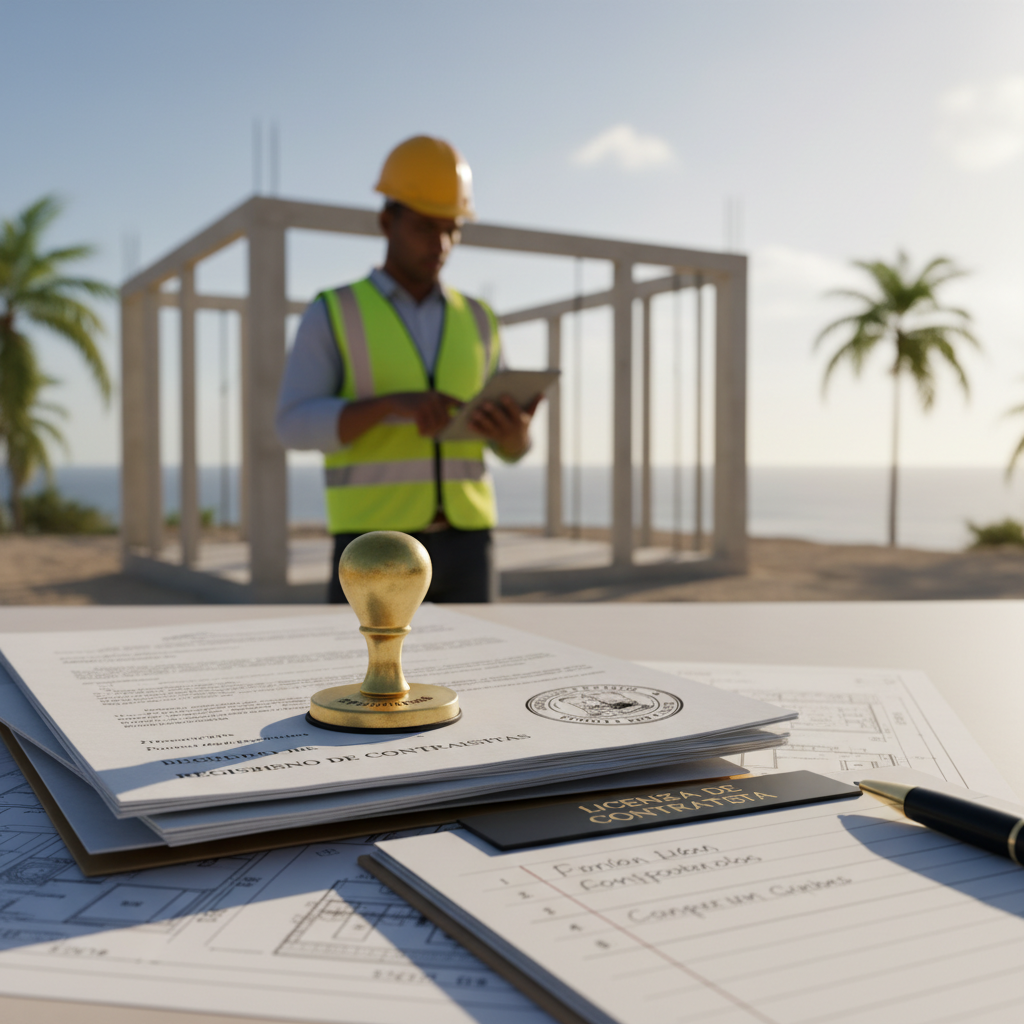

Understanding the Importance of Contractor Licensing in Puerto Rico
When considering business opportunities or expansion in Puerto Rico, many entrepreneurs overlook a key regulatory step: contractor licensing. This license is more than a formality; it is a legal requirement that ensures construction and related services meet local standards. Without proper licensing, a business risks fines, work stoppages, or even legal action that can disrupt operations and damage reputation.
Who Needs a Contractor License in Puerto Rico?
In Puerto Rico, any individual or company that offers construction, renovation, or specialized trade services must obtain a contractor license. This includes general contractors overseeing entire projects, as well as specialized trades such as electrical, plumbing, or roofing. Even small-scale projects can fall under licensing requirements if they involve certain thresholds or specific types of work.
How Does the Licensing Process Work?
The process begins with an application submitted to the Puerto Rico Contractors Registry, managed by the Department of Consumer Affairs. Applicants must demonstrate relevant experience, provide proof of financial stability, and pass a written exam that tests knowledge of local building codes and regulations. Once approved, the license is issued with specific classifications based on the scope of work.
What Are the Key Requirements for Licensing?
- Proof of relevant work experience or education in the trade
- Financial statements showing business stability
- Passing a licensing exam covering local building codes and safety standards
- Payment of licensing fees
- Possession of appropriate insurance coverage, including liability insurance
Maintaining and Renewing Your License
Once obtained, contractor licenses in Puerto Rico require renewal every two years. Renewal involves submitting updated financial and insurance documentation and paying renewal fees. Continuing education may also be necessary to stay current with evolving building codes and safety standards.
Legal and Business Implications of Licensing
Operating without a valid license can lead to significant penalties, including fines, work stoppages, and even criminal charges in severe cases. For entrepreneurs, this can mean project delays, increased costs, and damage to reputation. Proper licensing not only ensures compliance but also builds trust with clients and partners, establishing a solid foundation for long-term success in Puerto Rico’s construction sector.
Additional Considerations for U.S. Entrepreneurs
For U.S.-based entrepreneurs or investors, understanding local licensing laws is essential. Puerto Rico’s legal framework differs from mainland regulations, and working with local legal or business advisors can streamline the licensing process. This approach helps ensure all requirements are met efficiently, avoiding costly missteps and enabling a smooth entry into the Puerto Rican market.
Final Thoughts
Contractor licensing in Puerto Rico is a fundamental step for any business involved in construction or trades. It safeguards your operations, ensures compliance with local laws, and enhances your credibility. Staying informed about licensing requirements and maintaining good standing with the authorities supports sustainable growth and success in Puerto Rico’s vibrant business environment.