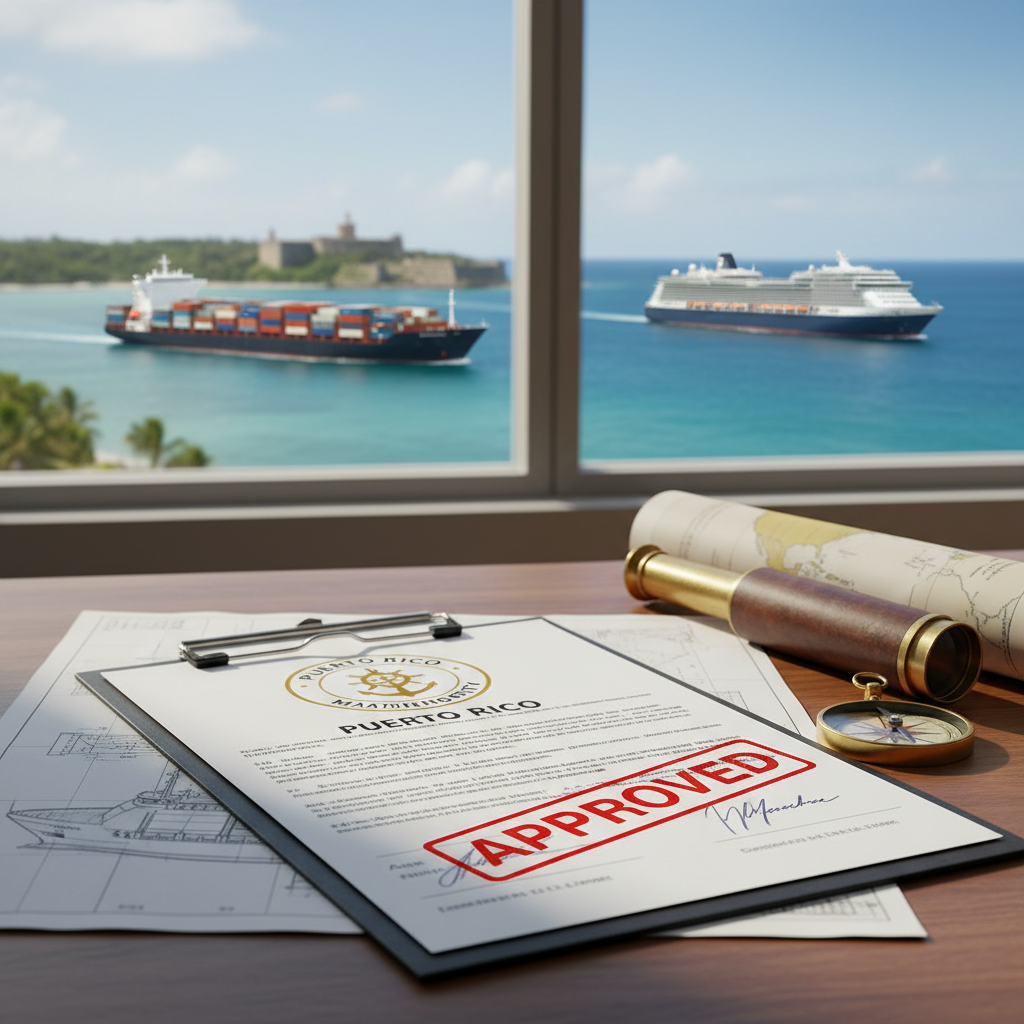

Understanding Maritime Transport Licensing in Puerto Rico
Puerto Rico’s strategic location in the Caribbean makes it a hub for maritime activity. Whether you’re operating cargo ships, passenger vessels, or private boats, understanding the licensing process is essential for legal and smooth operations. A maritime transport license is a key step that ensures your vessel complies with local regulations and can legally carry out its intended activities.
Who Needs a Maritime Transport License?
Any business or individual planning to operate a vessel for commercial purposes in Puerto Rican waters must obtain a maritime transport license. This includes companies involved in freight shipping, passenger services, cruise operations, or even private vessel charters. The license confirms that your vessel meets safety, environmental, and operational standards set by local authorities.
What Are the Basic Requirements?
- Vessel Registration: Your vessel must be registered with the Puerto Rico Maritime Authority. This involves providing proof of ownership, vessel specifications, and compliance with safety standards.
- Insurance: Adequate insurance coverage is mandatory to protect against liabilities and accidents.
- Safety and Environmental Compliance: Your vessel must meet safety standards, including proper navigation equipment, safety gear, and environmental regulations to prevent pollution.
- Operator Qualifications: The person in charge must have the necessary certifications and experience to operate the vessel safely.
Application Process
The process begins with submitting an application to the Puerto Rico Maritime Authority. This includes detailed information about your vessel, operational plans, safety procedures, and proof of compliance with applicable standards. An inspection of the vessel is typically required to verify safety and environmental measures. Once approved, you will receive your license, which is valid for a specified period and may require renewal.
Additional Considerations
- Local Regulations: Puerto Rico adheres to both federal maritime laws and local regulations. Staying updated on any changes is important for ongoing compliance.
- Operational Restrictions: Certain areas may have restrictions or special requirements, especially in protected marine zones or near sensitive ecological sites.
- Renewal and Compliance Checks: Regular inspections and renewals ensure your vessel remains compliant and your license stays valid.
Why Is This Important for Business and Investment?
Securing a maritime transport license not only legalizes your operations but also enhances your credibility in the industry. It opens doors to partnerships, contracts, and access to lucrative routes in the Caribbean and beyond. For investors, a licensed vessel signifies adherence to safety and environmental standards, which can be attractive for financing and insurance purposes.
Final Thoughts
Understanding the licensing process in Puerto Rico is a vital step for any maritime business. It ensures your operations are compliant, safe, and positioned for growth in a vibrant regional market. Working with experienced professionals can streamline the process, helping you focus on expanding your maritime activities with confidence.