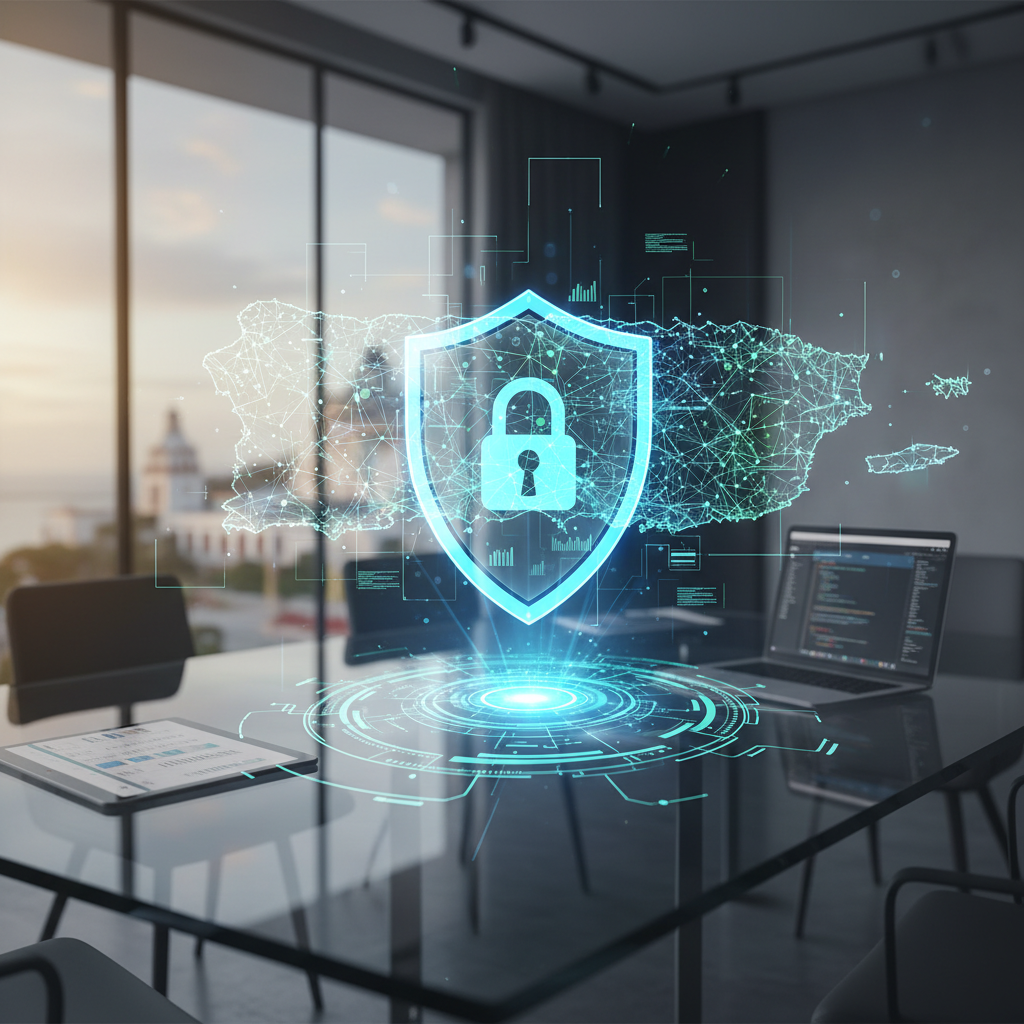

Understanding the Importance of Cybersecurity in Puerto Rico
Cybersecurity is no longer just an IT concern; it is a fundamental aspect of doing business in Puerto Rico. With the increasing reliance on digital systems for transactions, customer data management, and internal operations, protecting sensitive information is essential. Puerto Rico has taken steps to align its cybersecurity standards with broader U.S. regulations, making compliance a key part of maintaining trust and avoiding legal issues.
What Are the Main Cybersecurity Regulations in Puerto Rico?
Puerto Rico follows many of the same cybersecurity standards as the mainland United States. The primary regulations include the Puerto Rico Data Privacy Act and adherence to federal laws such as the Health Insurance Portability and Accountability Act (HIPAA) for health-related data and the Gramm-Leach-Bliley Act (GLBA) for financial institutions. Additionally, the Puerto Rico Office of the Commissioner of Financial Institutions (OCIF) enforces cybersecurity requirements for financial services firms.
How Do These Regulations Impact Business Operations?
Compliance involves implementing security measures that protect personal and sensitive data from unauthorized access or breaches. This includes establishing secure networks, encrypting data, conducting regular security assessments, and training staff on cybersecurity best practices. Failing to meet these standards can lead to legal penalties, financial losses, and damage to reputation.
What Are the Key Steps for Achieving Compliance?
- Assess Your Current Security Posture: Understand where your vulnerabilities lie by conducting a thorough review of your digital systems.
- Develop a Security Policy: Create clear procedures for data handling, incident response, and employee training.
- Implement Technical Safeguards: Use firewalls, encryption, multi-factor authentication, and regular software updates.
- Train Your Team: Educate staff on cybersecurity risks and safe practices to prevent breaches caused by human error.
- Monitor and Audit: Continuously review security measures and conduct audits to identify and address new vulnerabilities.
What Are the Benefits of Staying Compliant?
Beyond avoiding penalties, maintaining cybersecurity compliance builds trust with clients and partners. It demonstrates a commitment to protecting data, which can be a competitive advantage. Additionally, compliant businesses are better prepared to respond swiftly to security incidents, minimizing potential damage.
Is Cybersecurity Compliance a One-Time Effort?
No. Cybersecurity is an ongoing process. Regulations evolve, new threats emerge, and technology advances. Regular updates to security protocols and continuous staff training are necessary to stay compliant and secure.
Final Thoughts
For business owners in Puerto Rico, understanding and implementing cybersecurity compliance is a vital part of operational integrity. It safeguards your business, your clients, and your reputation. Staying informed about regulatory changes and adopting proactive security measures will ensure your business remains resilient in a digital landscape that continues to grow more complex.