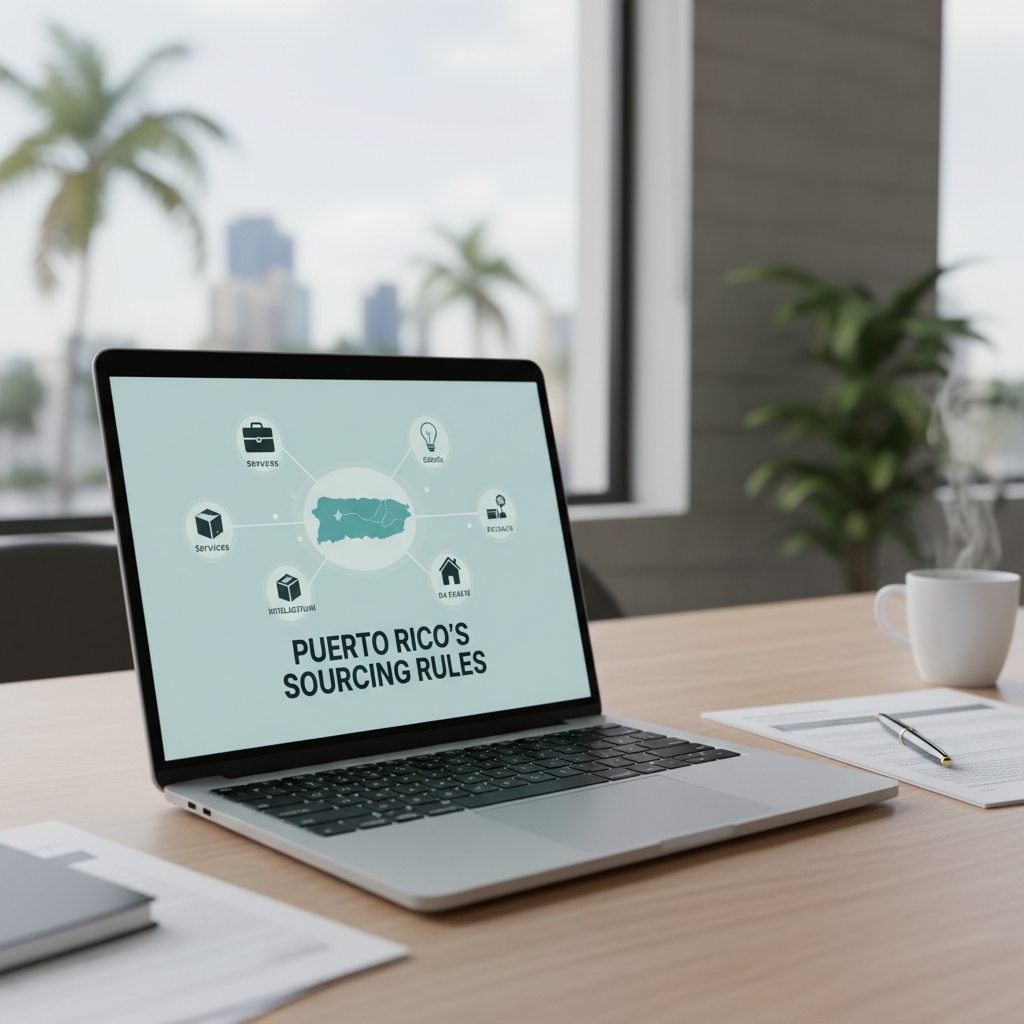

Understanding Puerto Rico’s Sourcing Rules for Business Income
When establishing a business or making investments in Puerto Rico, knowing where your income is considered to originate from is essential. These sourcing rules determine how your income is taxed and can influence your overall tax strategy. Unlike many U.S. states, Puerto Rico has its own set of rules that define whether income is sourced locally or from outside the territory.
Why Sourcing Rules Matter for Business Owners and Investors
Properly understanding sourcing rules helps ensure compliance with local tax laws and can impact your tax liabilities. For businesses that operate across borders or have clients outside Puerto Rico, knowing where income is sourced can affect whether you pay Puerto Rican taxes or are subject to other jurisdictions’ rules. This clarity can also influence decisions about where to locate certain operations or sales activities.
How Puerto Rico Defines Sourced Income
Puerto Rico generally classifies income based on the nature of the activity generating it. The main categories include:
- Services: Income from services is typically sourced where the services are performed. If your business provides consulting, for example, the income is considered Puerto Rican sourced if the services are rendered within Puerto Rico.
- Goods: Income from the sale of tangible goods is sourced where the goods are delivered or shipped to the customer. If you sell products to customers in Puerto Rico, that income is considered Puerto Rican sourced.
- Intellectual Property: Royalties and licensing fees are sourced where the intellectual property is used or exploited. If your licensing agreement allows use within Puerto Rico, the income is sourced locally.
- Real Estate: Income from real estate activities is sourced where the property is located.
Special Considerations for Cross-Border Transactions
For businesses engaging in transactions with clients or customers outside Puerto Rico, the sourcing rules can become more nuanced. For example, if a service is performed partly in Puerto Rico and partly elsewhere, the income may need to be apportioned accordingly. Similarly, digital products or services delivered electronically may have different sourcing considerations, often based on where the customer is located.
Implications for Tax Planning
Understanding these sourcing rules allows business owners to structure their operations efficiently. For instance, if most income is sourced outside Puerto Rico, the business might benefit from different tax treatment. Conversely, establishing operations within Puerto Rico and ensuring income is sourced locally can open access to favorable tax incentives and credits available in the territory.
Conclusion
Puerto Rico’s sourcing rules are designed to align income taxation with the location of economic activity. For entrepreneurs and investors, grasping these rules is key to maintaining compliance and optimizing tax outcomes. When planning your business structure or investment strategy, consider how your income sources are classified and how this impacts your overall tax position in Puerto Rico.