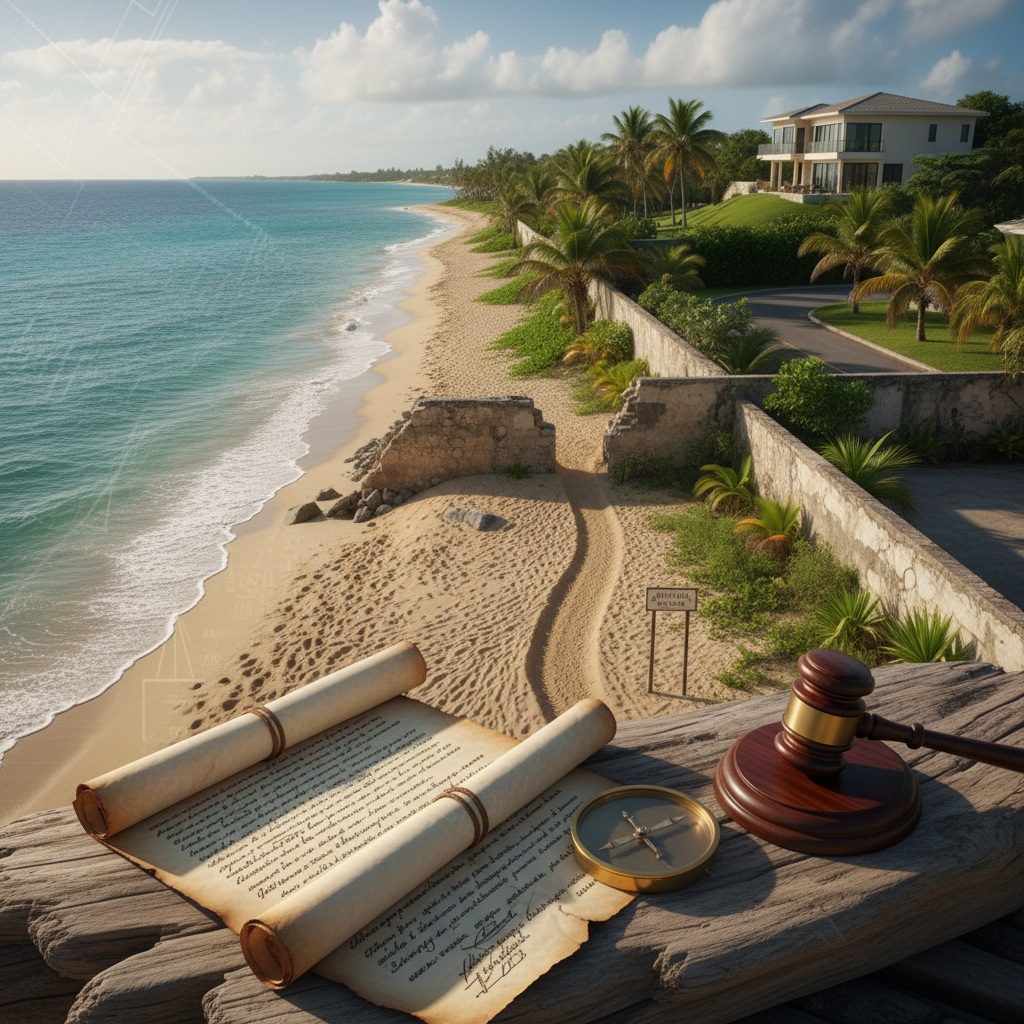

Understanding the Unique Legal Landscape of Puerto Rico’s Coastal Properties
Buying a coastal property in Puerto Rico offers stunning views and a prime location, but it also comes with specific legal considerations that require careful attention. Unlike mainland U.S. states, Puerto Rico has its own set of laws governing land use, environmental protection, and property rights. Recognizing these nuances can help investors avoid unexpected complications and ensure a smooth transaction.
Property Rights and Land Ownership in Puerto Rico
In Puerto Rico, land ownership is generally clear, but coastal areas often involve additional layers of regulation. Many coastal properties are subject to public access rights, meaning certain beaches and shoreline areas are accessible to the public regardless of private ownership. This stems from laws designed to preserve public use of beaches and coastlines, which can impact how landowners use or develop their properties.
Environmental Regulations and Protected Areas
Puerto Rico has a robust system of environmental protections aimed at preserving its natural beauty. Many coastal zones are designated as protected areas, which restrict construction, development, or even certain types of land alteration. These restrictions are enforced by agencies such as the Puerto Rico Department of Natural and Environmental Resources (DNER). Violating these rules can lead to hefty fines, orders to halt construction, or even the loss of property rights.
Zoning Laws and Building Restrictions
Local zoning laws in Puerto Rico vary by municipality and often include specific rules for coastal zones. These rules determine what kind of structures can be built, their size, and their proximity to the shoreline. It’s common to encounter setbacks—minimum distances from the shoreline where construction is prohibited. Failing to adhere to these regulations can result in legal disputes, fines, or the need to modify or demolish existing structures.
Public Access and Rights of Way
Puerto Rico’s laws emphasize public access to beaches and coastlines. Many properties are subject to rights of way or easements that allow the public to access certain shoreline areas. When purchasing coastal land, it’s important to verify whether any such rights exist and how they might affect your use of the property. Overlooking these rights can lead to conflicts or legal challenges from the community or government agencies.
Legal Due Diligence and Title Search
Conducting thorough due diligence is essential before purchasing coastal property. This includes a detailed title search to confirm ownership, check for existing liens or encumbrances, and verify that the property complies with all applicable laws. Engaging focused legal counsel familiar with Puerto Rico’s land laws can uncover potential issues related to public rights, environmental restrictions, or zoning that might not be immediately apparent.
Potential Risks and How to Mitigate Them
- Unanticipated Restrictions: Coastal zones often have restrictions that limit development. Working with local professionals can help identify these early.
- Public Access Conflicts: Ensure clear understanding of public rights to avoid disputes after purchase.
- Environmental Compliance: Confirm that the property is not within protected areas or subject to environmental restrictions.
- Title and Ownership Issues: A comprehensive title search can prevent future legal challenges.
Conclusion
Purchasing coastal property in Puerto Rico involves more than just a real estate transaction. It requires awareness of the legal landscape that governs land use, environmental protections, and public access. Working with focused legal professionals and conducting thorough due diligence can help investors secure their interests and enjoy their property without unexpected legal hurdles.