
Understanding the Basics of Airbnb Regulations in Puerto Rico
Puerto Rico has become a popular destination for travelers seeking a more authentic experience, and Airbnb has grown rapidly as a result. However, operating an Airbnb in Puerto Rico involves more than just listing a property online. Knowing the legal requirements helps ensure your rental complies with local laws and avoids potential issues down the line.
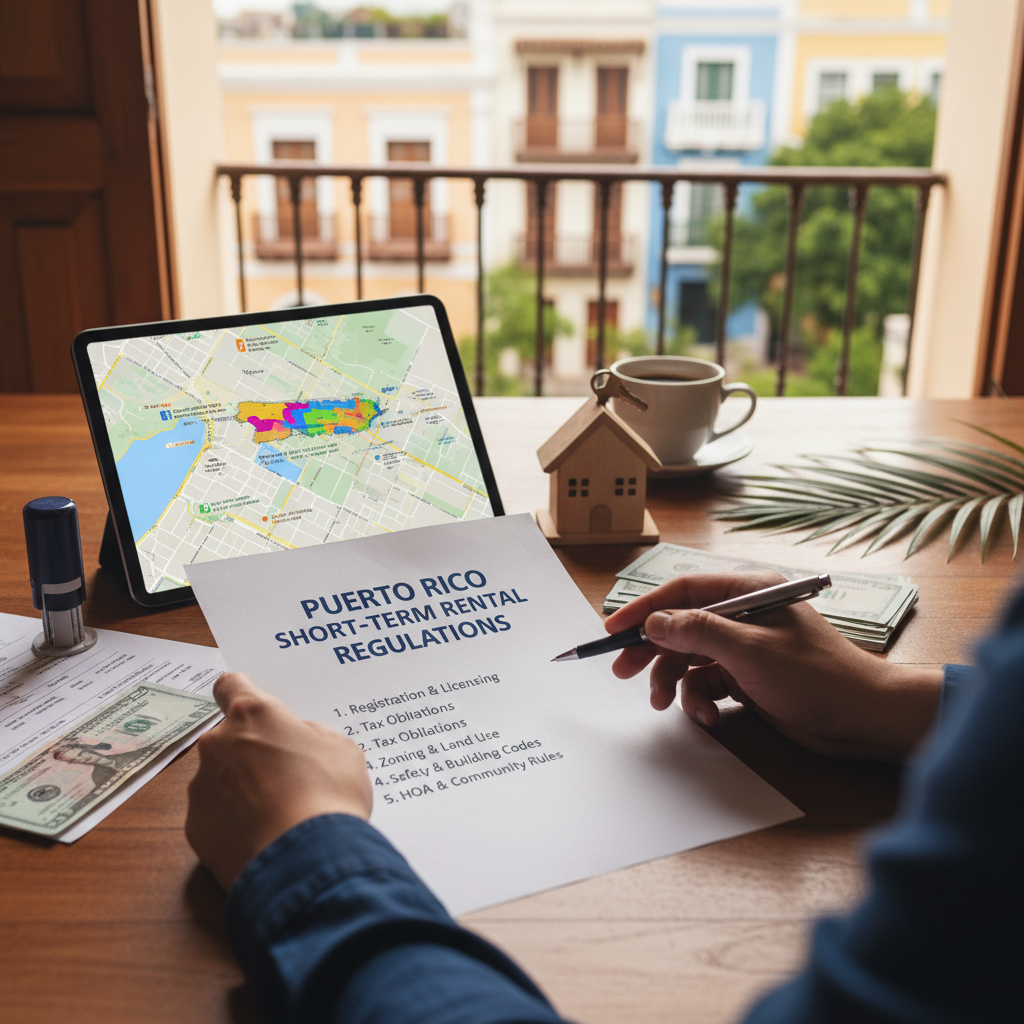
Registration and Licensing
To legally rent out a property on Airbnb in Puerto Rico, hosts must register their rental with the local government. This process typically involves obtaining a specific license or permit that confirms the property meets safety and zoning standards. Registration helps authorities keep track of short-term rentals and ensures they adhere to community rules.
Tax Obligations
Puerto Rico imposes specific taxes on short-term rentals. Hosts are responsible for collecting and remitting the applicable taxes, which may include a hotel occupancy tax and other local levies. Proper tax compliance not only avoids penalties but also maintains good standing with local authorities.
Zoning and Land Use Regulations
Not all properties are suitable for short-term rentals. Zoning laws determine where Airbnb rentals are permitted. Some residential zones restrict or prohibit short-term leasing, especially in densely populated or protected areas. Checking local zoning rules before listing a property is essential to avoid violations.
Safety and Building Codes
Properties listed on Airbnb must meet safety standards, including proper fire exits, smoke detectors, and secure electrical systems. Ensuring your property complies with building codes not only protects guests but also keeps your rental legally compliant.
HOA and Community Rules
If your property is part of a homeowners' association or community with specific rules about short-term rentals, these must be followed. Some communities have restrictions or require approval before hosting Airbnb guests.
Additional Considerations for Business Owners
For entrepreneurs operating multiple listings or managing properties professionally, additional business licenses or permits may be necessary. Establishing a clear legal structure can help streamline compliance and protect your investment.
Summary
Operating an Airbnb in Puerto Rico involves a combination of registration, tax compliance, zoning adherence, and safety standards. Staying informed about local laws and regulations ensures your rental remains a legal and profitable part of your business portfolio.