
Table of Contents
Understanding Coastal Property Regulations in Puerto Rico
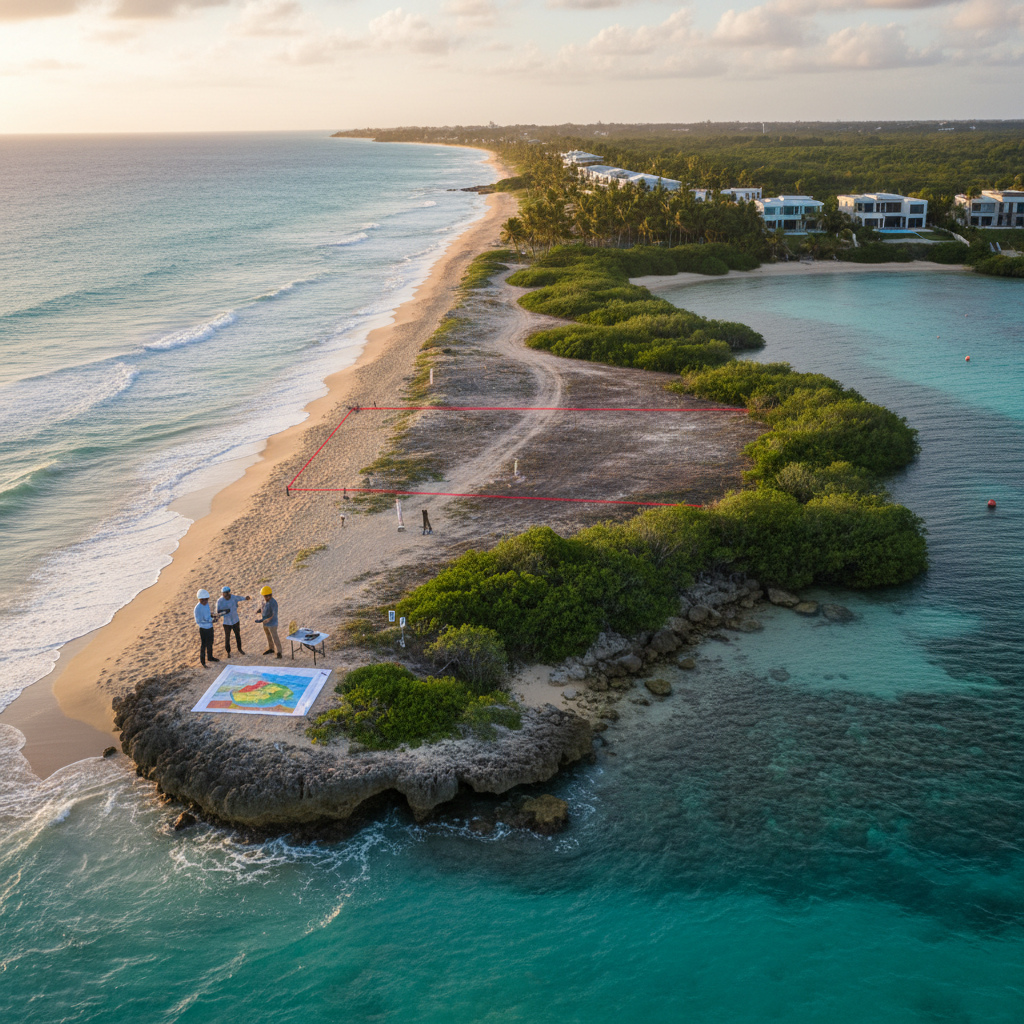
Owning property along Puerto Rico’s coast offers stunning views and access to the island’s beautiful beaches. However, the coastline is protected by a set of regulations designed to preserve the environment and ensure responsible development. Knowing these rules is essential for anyone considering investing in or developing coastal land.
Public vs. Private Coastlines
Puerto Rico’s coastlines are considered public property up to the high tide line. This means that while landowners may have rights to the land behind the shoreline, the actual beach area remains accessible to everyone. Any development or construction must respect this public access, and restrictions are in place to prevent private encroachment on public beaches.
Environmental Protections and Restrictions
The island enforces strict environmental laws to protect its coastal ecosystems. These include regulations on building near wetlands, mangroves, and coral reefs. Development within certain buffer zones may require special permits or be outright prohibited to prevent erosion, habitat destruction, and pollution.
Permitting and Approvals for Coastal Construction
Before starting any construction or modification on coastal property, owners must obtain permits from the Puerto Rico Planning Board and other relevant agencies. These permits assess the potential environmental impact and ensure compliance with zoning laws. It’s common for projects to undergo environmental impact assessments, especially if they involve significant land alteration or are near protected areas.
Building Restrictions and Setbacks
Setback rules determine how close structures can be built to the shoreline. These setbacks are designed to reduce erosion risks and protect public access. The required distance varies depending on the location and the type of property, but generally, structures must be set back several meters from the high tide line.
Special Zones and Protected Areas
Some coastal areas are designated as protected zones, such as national parks, wildlife refuges, or marine reserves. Development within these zones is highly restricted or prohibited. It’s important to verify whether a property falls within such a zone before proceeding with any plans.
Legal Considerations for Investors
Investors should conduct thorough due diligence to understand the specific regulations applicable to a coastal property. Working with focused local legal counsel can help clarify restrictions, permit requirements, and potential liabilities. Proper planning ensures compliance and helps avoid costly delays or legal issues down the line.
Conclusion
Coastal property regulations in Puerto Rico are designed to balance development with environmental preservation and public access. For business-minded investors and entrepreneurs, understanding these rules is key to making informed decisions and ensuring smooth property transactions. Staying aware of local laws and working with focused professionals can help turn coastal land into a valuable asset without running afoul of regulations.