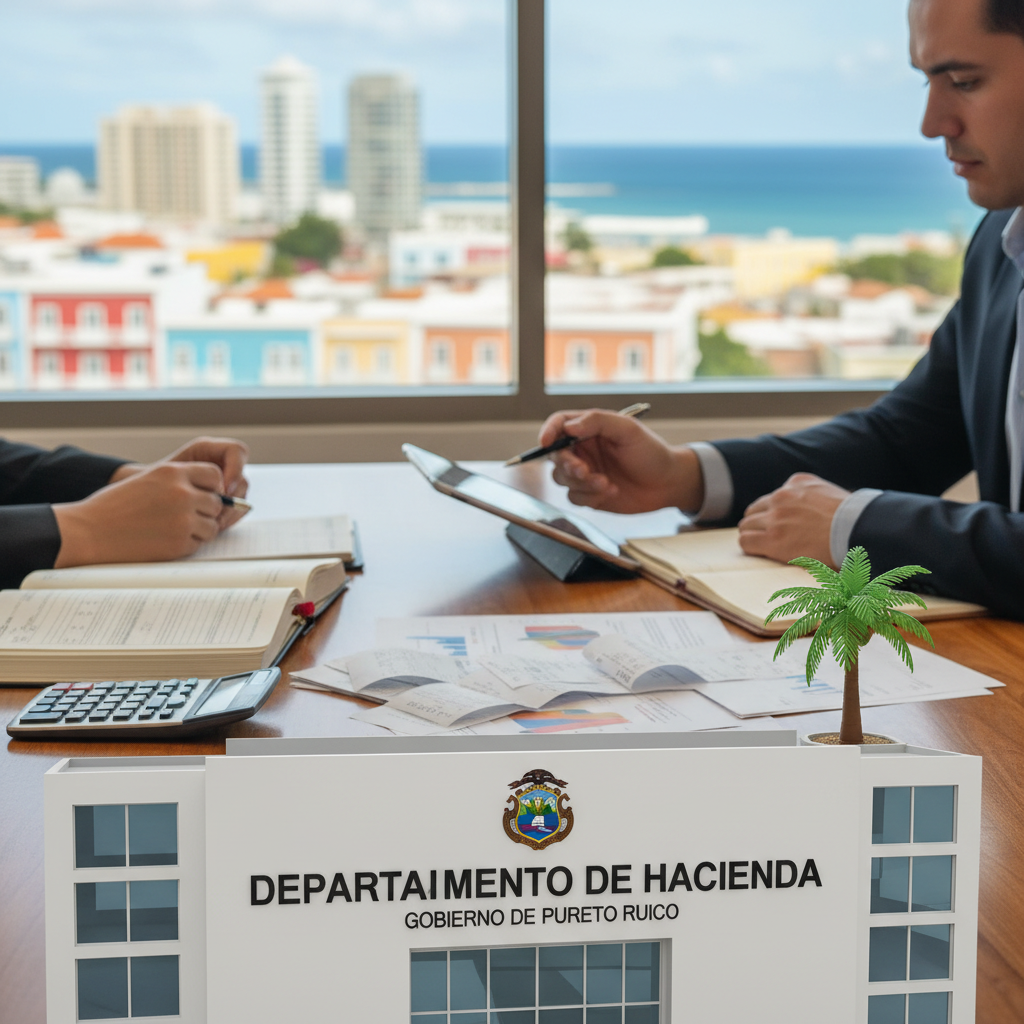

Understanding Hacienda’s Role in Puerto Rico
Puerto Rico’s Department of Hacienda is the agency responsible for tax collection and enforcement. For small businesses, staying compliant with Hacienda’s requirements is essential to avoid penalties, audits, and legal issues. Proper compliance not only keeps your business running smoothly but also builds trust with authorities and partners.
Keep Accurate and Up-to-Date Financial Records
The foundation of Hacienda compliance is maintaining precise financial records. This includes tracking all income, expenses, invoices, and receipts. Use reliable accounting software or systems tailored for small businesses. Regularly updating your records ensures you can produce accurate reports when needed and simplifies the tax filing process.
Understand Your Tax Obligations
Small businesses in Puerto Rico are subject to various taxes, including income tax, sales and use tax (IVU), and possibly other local taxes. Familiarize yourself with the specific rates and filing deadlines for each. Hacienda requires timely submission of tax returns, even if your business had no activity during a period. Staying aware of your obligations prevents late penalties and interest charges.
Register Properly and Keep Your Information Current
Ensure your business is properly registered with Hacienda. This includes obtaining the necessary tax identification numbers and licenses. If your business details change—such as address, ownership, or activity type—update your registration promptly. Accurate registration information helps Hacienda communicate effectively and reduces compliance issues.
File and Pay Taxes on Time
Adhering to deadlines is vital. Hacienda offers electronic filing options that simplify the process. Set reminders for tax deadlines and consider automating payments if possible. Late filings or payments can lead to fines, interest, and increased scrutiny. Consistent punctuality demonstrates good standing and reduces compliance stress.
Implement Internal Controls and Regular Audits
Establish internal procedures to review financial data regularly. Conduct periodic audits to verify accuracy and identify discrepancies early. This proactive approach helps prevent errors that could trigger audits or penalties. Clear documentation and organized records support smooth audits if they occur.
Seek Focused Professional Advice
While small business owners can manage many compliance tasks independently, consulting with a focused accountant or tax professional familiar with Puerto Rico’s laws can be invaluable. They can help interpret complex regulations, optimize tax filings, and ensure ongoing compliance. Regular check-ins with a professional keep your business aligned with Hacienda’s expectations.
Stay Informed on Regulatory Changes
Tax laws and regulations evolve. Subscribe to updates from Hacienda or join local business associations to stay informed. Being aware of changes allows you to adjust your practices promptly, avoiding inadvertent non-compliance.
Conclusion
Maintaining Hacienda compliance is an ongoing process that requires attention to detail, timely action, and good record-keeping. Small businesses that prioritize these practices create a stable foundation for growth and avoid unnecessary legal complications. Consistency and proactive management are key to staying in good standing with Puerto Rico’s tax authorities.