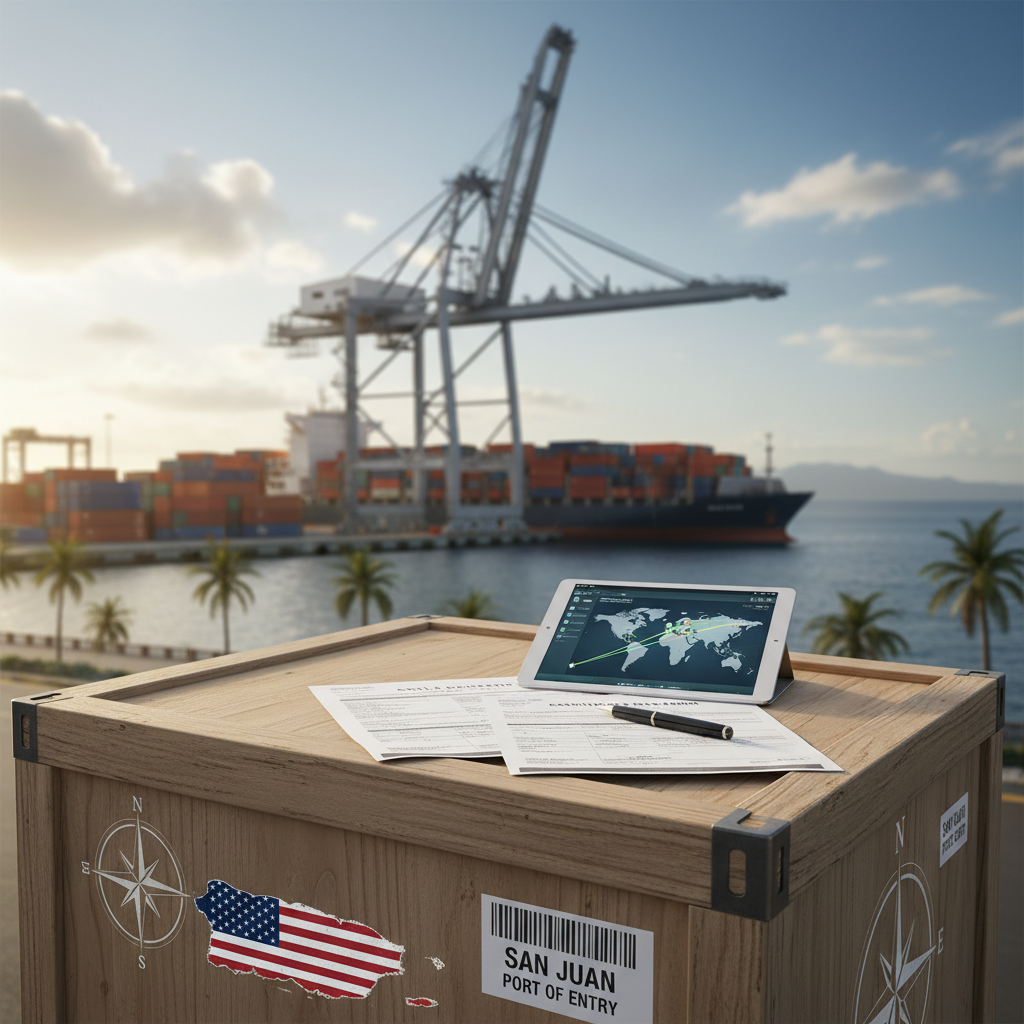

Understanding Puerto Rico’s Unique Position in International Trade
Puerto Rico stands out as a U.S. territory with a strategic location in the Caribbean, making it a vital hub for international shipping and logistics. Its status as a U.S. jurisdiction simplifies many legal processes, but it also introduces specific rules that entrepreneurs and investors must understand to operate smoothly across borders.
Legal Framework Governing Shipping and Logistics
Shipping and logistics in Puerto Rico are governed by a combination of federal U.S. laws and local regulations. This dual legal system influences everything from customs procedures to transportation standards. Recognizing how these layers interact helps businesses avoid delays and legal pitfalls.
Customs Regulations and Import/Export Laws
Puerto Rico functions as a U.S. port of entry, meaning goods entering or leaving the island are subject to U.S. customs laws. This includes compliance with the Harmonized Tariff Schedule (HTS), proper documentation, and adherence to import/export restrictions. Ensuring accurate classification and valuation of goods is essential to prevent penalties and delays.
Shipping Documentation and Compliance
Proper documentation is the backbone of smooth logistics. This includes bills of lading, commercial invoices, certificates of origin, and import/export licenses when applicable. Maintaining meticulous records supports compliance and facilitates audits or inspections.
Transportation Laws and Regulations
Puerto Rico’s transportation sector is regulated to ensure safety and efficiency. This includes rules for maritime shipping, trucking, and air freight. For maritime shipping, compliance with international conventions such as SOLAS (Safety of Life at Sea) and IMO (International Maritime Organization) standards is vital. Trucking companies must adhere to federal and local safety standards, licensing, and weight restrictions.
Licensing and Permits for Shipping Operations
Operating shipping and logistics businesses in Puerto Rico requires obtaining specific licenses and permits. These may include maritime operator licenses, customs broker licenses, and local business permits. Securing these authorizations ensures legal operation and access to necessary ports and facilities.
Liability and Insurance Considerations
Shipping involves inherent risks. Proper insurance coverage for cargo, vessels, and liability protects against losses and legal claims. Understanding the scope of coverage required under Puerto Rican and international law helps safeguard investments and operations.
Dispute Resolution and Legal Recourse
Disputes in shipping and logistics can arise from delays, damages, or contractual disagreements. Puerto Rico’s legal system offers mechanisms for resolution, including arbitration and local courts. Clear contractual terms and understanding jurisdictional issues streamline dispute management.
Emerging Trends and Regulatory Changes
As global trade evolves, Puerto Rico’s shipping laws adapt. Recent developments include updates to environmental regulations, port security standards, and digital documentation practices. Staying informed about these changes ensures compliance and operational efficiency.
Conclusion
For entrepreneurs and investors, understanding the legal landscape of shipping and logistics in Puerto Rico is essential for seamless international trade. From customs compliance to transportation regulations, each element plays a role in maintaining smooth operations and avoiding legal complications. Partnering with focused legal professionals familiar with Puerto Rico’s unique trade environment can help ensure all aspects are properly managed.