
Table of Contents
Understanding Puerto Rico’s Immigration Landscape for Employers
Puerto Rico operates under U.S. immigration laws, but its unique status as a U.S. territory introduces specific considerations for employers. When hiring foreign nationals or relocating employees, understanding these nuances can ensure compliance and smooth employment processes.
Work Authorization Requirements
All foreign employees working in Puerto Rico must have proper work authorization. This typically involves obtaining a visa or work permit approved by U.S. Citizenship and Immigration Services (USCIS). Common options include the H-1B visa for specialized workers or L-1 visas for intracompany transfers. Employers should verify that their employees hold valid documentation before they start work.
Employer Responsibilities and Documentation
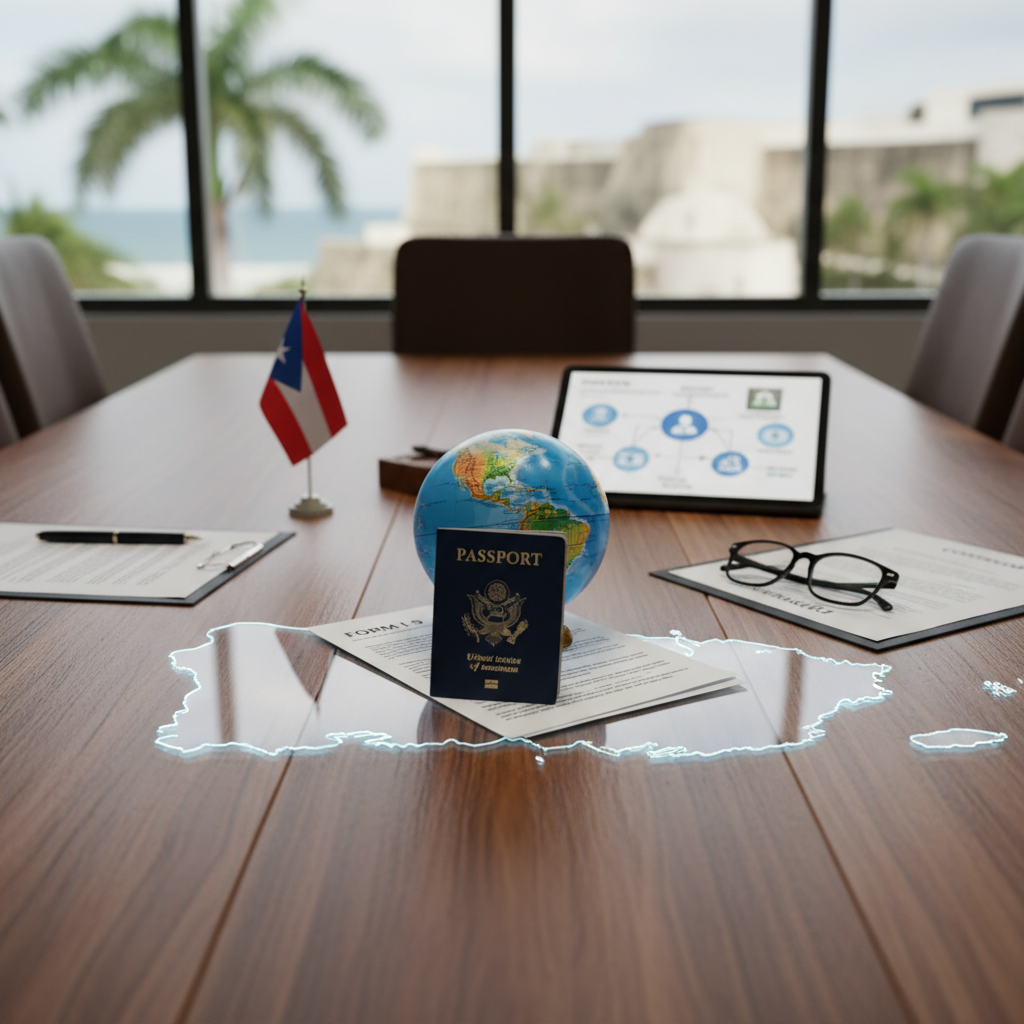
- Employers must complete Form I-9 for each employee to verify identity and employment authorization.
- Maintaining accurate records of employee documentation is essential for compliance.
- Employers may be subject to audits and should be prepared to demonstrate lawful employment practices.
Labor Market Considerations
Puerto Rico has a relatively small labor market, which can influence the availability of certain skilled workers. When hiring foreign nationals, employers should consider the timeframes involved in visa processing and whether local talent can meet their needs. Planning ahead ensures that employment arrangements are not delayed.
Special Programs and Incentives
Puerto Rico offers focused programs aimed at attracting foreign talent, especially in sectors like technology, finance, and manufacturing. These programs may include streamlined visa processes or tax incentives for certain types of employment. Staying informed about these options can benefit both employers and employees.
Legal and Compliance Considerations
Employers should stay updated on federal and local immigration laws. Non-compliance can lead to penalties, fines, or restrictions on hiring foreign workers. Consulting with legal professionals experienced in Puerto Rican employment law can help ensure adherence to all requirements.
Conclusion
Immigration considerations are a vital part of doing business in Puerto Rico. From verifying work authorization to understanding local programs, employers must approach these issues with attention to detail. Proper planning and compliance not only protect the business but also facilitate a smooth onboarding process for foreign employees.