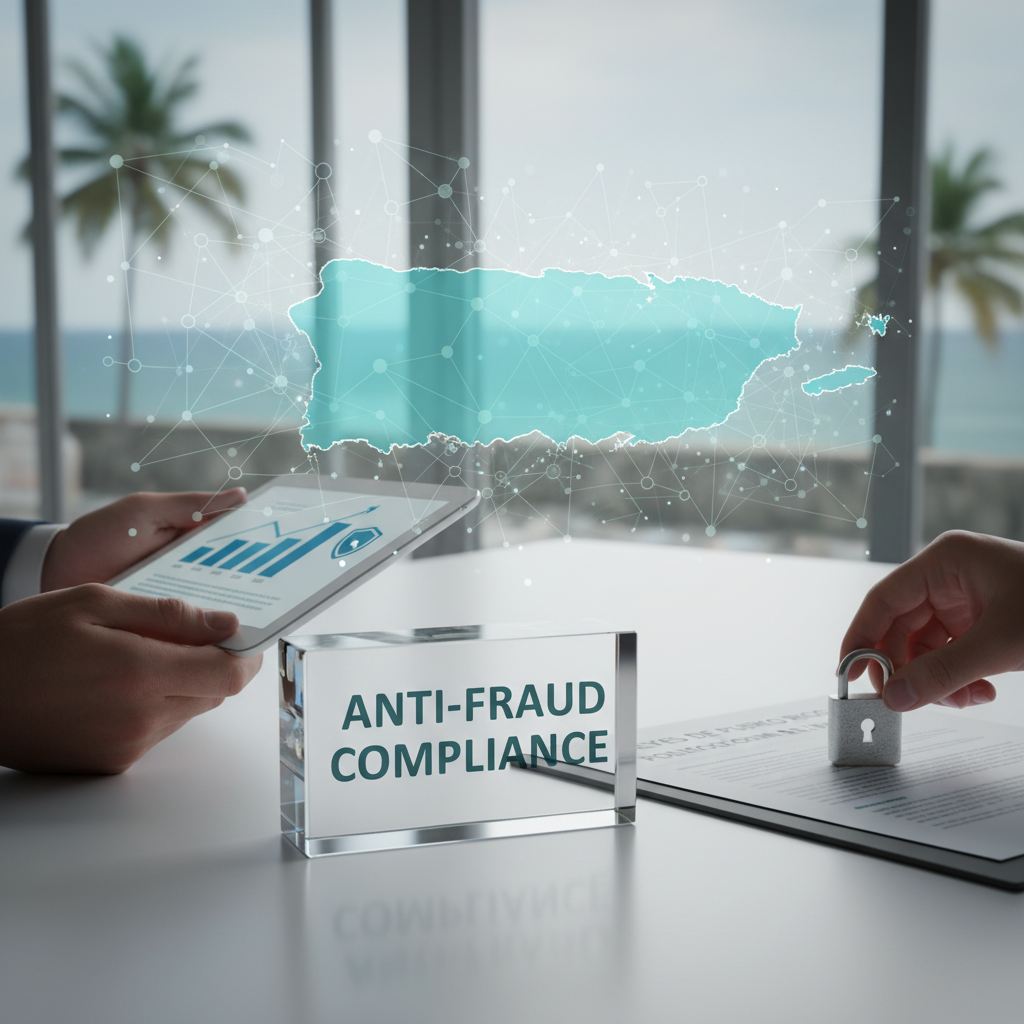

Understanding Anti-Fraud Compliance in Puerto Rico
When establishing or expanding a business in Puerto Rico, ensuring adherence to anti-fraud measures is essential. Fraud can take many forms, from financial misrepresentation to identity theft, and can significantly impact a company's reputation and operations. A well-structured anti-fraud compliance framework acts as a safeguard, helping businesses detect, prevent, and respond to fraudulent activities effectively.
Core Elements of an Effective Anti-Fraud Framework
- Clear Policies and Procedures: Establish written guidelines that define what constitutes fraud, outline reporting processes, and specify disciplinary actions. These policies should be accessible and understandable to all employees.
- Risk Assessment: Regularly evaluate areas where fraud risks are highest. This includes financial transactions, vendor relationships, and employee conduct.
- Internal Controls: Implement checks and balances such as segregation of duties, approval hierarchies, and audit trails to prevent opportunities for fraud.
- Training and Awareness: Educate staff about common fraud schemes, red flags, and the importance of compliance. Continuous training keeps fraud prevention top of mind.
- Monitoring and Detection: Use technology and manual reviews to monitor transactions and activities. Automated systems can flag suspicious behavior for further investigation.
- Reporting Mechanisms: Provide confidential channels for employees and stakeholders to report concerns without fear of retaliation.
- Response and Investigation: Develop procedures for prompt investigation of suspected fraud, including documentation and corrective actions.
- Legal and Regulatory Alignment: Ensure compliance with Puerto Rico laws and federal regulations related to fraud and financial crimes.
Legal Framework Supporting Anti-Fraud Measures in Puerto Rico
Puerto Rico’s legal environment offers specific statutes and regulations that support anti-fraud efforts. These include laws related to financial reporting, anti-corruption, and consumer protection. Businesses should align their internal policies with these legal standards to avoid penalties and legal liabilities.
Implementing a Culture of Integrity
Beyond policies and controls, fostering an organizational culture that values honesty and transparency is vital. Leadership plays a key role in setting the tone, demonstrating ethical behavior, and encouraging open communication about concerns.
Conclusion
Building a comprehensive anti-fraud compliance framework in Puerto Rico involves more than just policies. It requires ongoing assessment, technological support, and a commitment to integrity. For business owners and investors, understanding these components helps protect assets, maintain trust, and ensure long-term success in the Puerto Rican market.