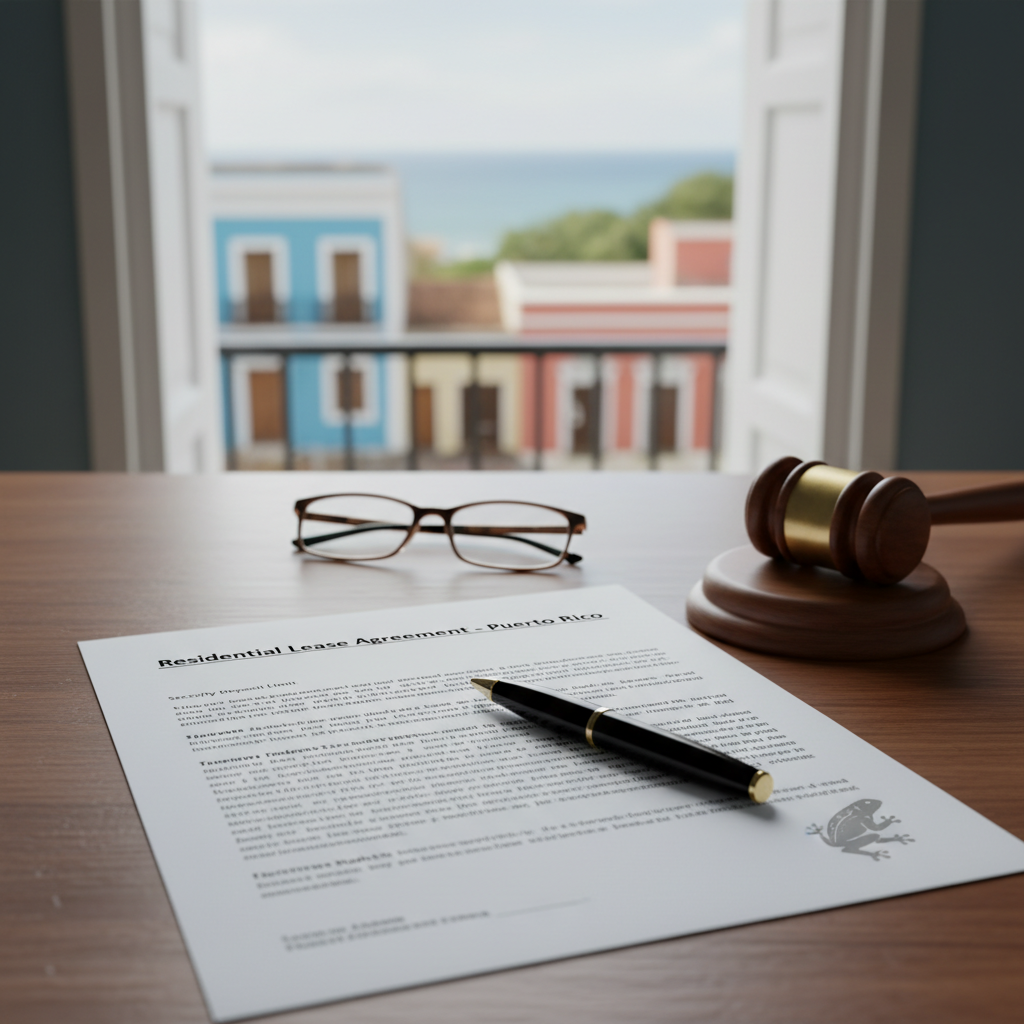

Understanding the Basics of Residential Lease Laws in Puerto Rico
When renting or leasing property in Puerto Rico, both landlords and tenants benefit from knowing the fundamental rules that govern these agreements. Unlike some U.S. states, Puerto Rico has its own set of laws that protect both parties and establish clear expectations for the rental process.
Lease Agreements: Written or Oral?
In Puerto Rico, most residential leases are required to be in writing if the rental period exceeds one year. For shorter terms, oral agreements are generally valid but can lead to misunderstandings. Having a written lease provides clarity on rent amounts, payment schedules, and responsibilities, reducing potential disputes.
Security Deposits and Their Limits
Landlords often request a security deposit to cover potential damages or unpaid rent. Puerto Rico law limits security deposits to no more than one month's rent for residential leases. The deposit must be returned within 15 days after the lease ends, minus any deductions for damages or unpaid amounts, with an itemized list of charges if applicable.
Rent Payments and Due Dates
Lease agreements specify when rent is due, typically monthly. Puerto Rico law emphasizes the importance of timely payments. If rent is late, landlords can charge a late fee if it’s specified in the lease, but the fee must be reasonable and clearly outlined beforehand.
Tenant Rights and Landlord Responsibilities
Tenants have the right to a habitable living space, which means the property must be safe, clean, and in good repair. Landlords are responsible for maintaining essential services such as water, electricity, and sanitation. They must also respect tenants’ privacy, providing proper notice before entering the property, usually 24 hours in advance.
Lease Termination and Eviction Procedures
Both parties can terminate a lease according to the terms specified in the agreement. Puerto Rico law requires landlords to follow a formal eviction process if tenants do not pay rent or violate lease terms. This process involves providing written notice and, if necessary, obtaining a court order before removing a tenant.
Renewals and Lease Extensions
Lease renewals are typically handled through mutual agreement. If a lease is not renewed, tenants must vacate the property by the end of the lease term. Landlords cannot unilaterally increase rent or change terms without proper notice, usually 30 days before the renewal date.
Legal Protections for Tenants
Puerto Rico law offers protections against unfair eviction practices and illegal rent increases. Tenants can challenge eviction notices if they believe they are unjustified or if proper procedures were not followed. Understanding these rights helps tenants defend their occupancy and avoid unnecessary disputes.
Conclusion
For both landlords and tenants, understanding the specific laws surrounding residential leases in Puerto Rico creates a foundation for a smooth rental experience. Clear agreements, awareness of rights, and adherence to legal procedures help prevent conflicts and foster respectful relationships in the rental market.