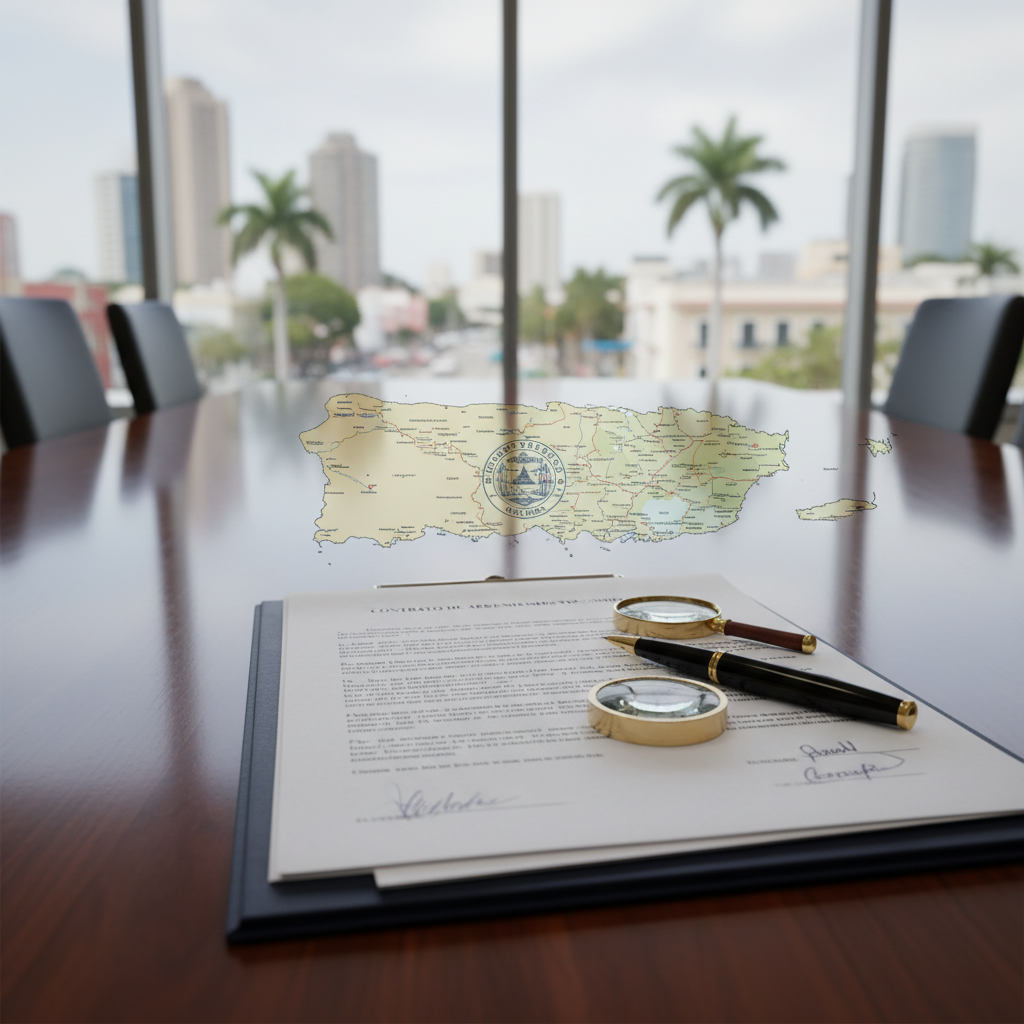

Understanding Commercial Lease Laws in Puerto Rico
nWhen considering a commercial space in Puerto Rico, grasping the fundamentals of lease laws can make a significant difference in how smoothly your business operates. Unlike residential leases, commercial leases are often more flexible but also come with specific rules that protect both landlords and tenants. Knowing these can help you avoid surprises and negotiate effectively.
nLease Agreements and Their Importance
nIn Puerto Rico, a commercial lease is a binding contract that details the rights and responsibilities of both parties. It’s essential to review the lease carefully before signing. The agreement should specify the rent amount, payment schedule, lease duration, renewal options, and any maintenance responsibilities. Clear terms prevent misunderstandings and provide a roadmap for resolving disputes.
nLease Duration and Renewal Rights
nMost commercial leases in Puerto Rico are for fixed terms, often ranging from three to ten years. It’s common to include renewal options, allowing tenants to extend their lease under agreed terms. These renewal clauses should specify how and when renewal notices are given, ensuring your business can plan long-term without unexpected disruptions.
nRent and Payment Terms
nRent is typically paid monthly, but lease agreements can specify different arrangements. It’s important to understand whether rent increases are fixed or tied to inflation or market rates. Some leases include escalation clauses, which automatically increase rent after certain periods. Clarifying these details helps in budgeting and financial planning.
nMaintenance and Repairs
nIn Puerto Rico, lease agreements often specify who is responsible for maintenance and repairs. Usually, tenants handle interior upkeep, while landlords maintain structural elements. Knowing your obligations prevents disputes and ensures the property remains in good condition, which is vital for your business operations.
nLegal Protections and Dispute Resolution
nPuerto Rico law provides certain protections for tenants, such as the right to quiet enjoyment of the property. Lease agreements may also include clauses for dispute resolution, like mediation or arbitration, to avoid lengthy legal battles. Understanding these provisions can save time and resources if disagreements arise.
nTermination and Eviction Procedures
nLeases in Puerto Rico specify conditions under which either party can terminate the agreement. Typically, notice periods are required—often 30 to 60 days—before ending the lease. Eviction processes are governed by law, and landlords must follow proper procedures. Knowing these rules helps tenants avoid wrongful eviction and landlords ensure lawful procedures are followed.
nAdditional Considerations for Business Owners
n- n
- Zoning Laws: Ensure the property is zoned for your type of business to avoid legal issues. n
- Subleasing: Check if subleasing is permitted and under what conditions. n
- Improvements: Clarify whether you can make modifications or improvements to the space and who bears the costs. n
- Tax Implications: Understand how lease payments and property taxes impact your business finances. n
Conclusion
nUnderstanding the nuances of commercial lease laws in Puerto Rico empowers business owners to negotiate better terms and avoid common pitfalls. A focused approach to lease agreements ensures your business has a stable foundation in the local legal landscape, allowing you to focus on growth and success.