
Understanding Data Breach Notification Rules in Puerto Rico
Data breaches are a growing concern for businesses operating in Puerto Rico. When sensitive information is compromised, knowing the legal obligations for reporting such incidents can make a significant difference in managing risks and maintaining trust. Surprisingly, Puerto Rico has specific rules that require prompt action when personal data is involved, aligning with broader privacy standards but with local nuances.
What Constitutes a Data Breach in Puerto Rico?
A data breach occurs when personal or sensitive information is accessed, disclosed, or stolen without authorization. This can include customer data, employee records, or proprietary business information. The key is that the breach involves data that, if exposed, could harm individuals or the business itself.
Legal Requirements for Notification
Puerto Rico law mandates that businesses must notify affected individuals and relevant authorities promptly after discovering a data breach. The goal is to enable those impacted to take protective steps, such as changing passwords or monitoring credit reports.
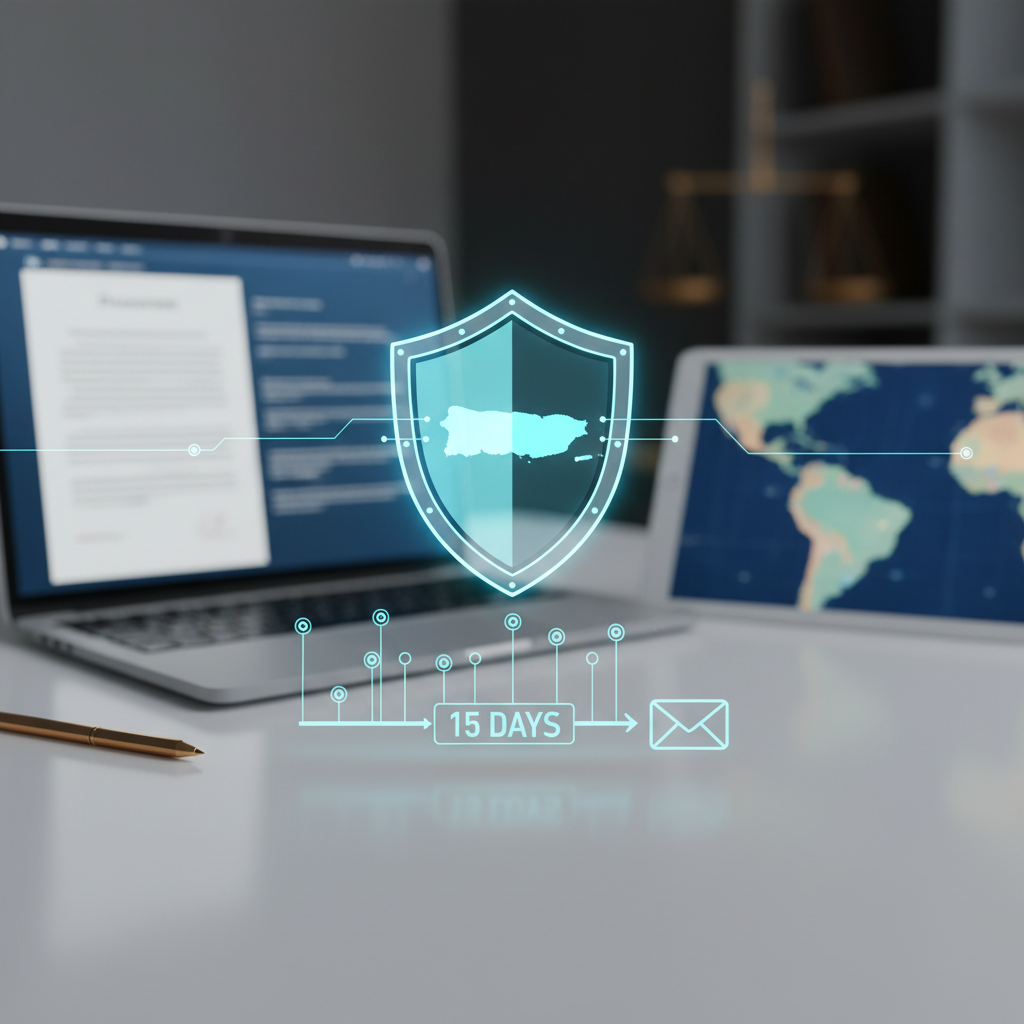
Specifically, businesses are required to notify within 15 days of discovering the breach. This timeline emphasizes the importance of swift internal response procedures to identify, contain, and assess breaches quickly.
Who Needs to Comply?
- Businesses that handle personal information of Puerto Rico residents, including local and U.S.-based companies operating in Puerto Rico.
- Organizations that maintain data on individuals residing in Puerto Rico, regardless of where the business is located.
- Service providers and third-party vendors managing data on behalf of Puerto Rican businesses.
What Information Must Be Included in the Notification?
Notifications should include details such as:
- The nature of the breach
- The types of data involved
- Steps taken to address the breach
- Recommendations for affected individuals to protect themselves
How Should the Notification Be Made?
Notifications can be sent via mail, email, or other effective means. If the breach affects a large number of individuals, public notices or press releases may be appropriate. The goal is to ensure that all impacted parties are informed as quickly as possible.
Additional Considerations
Businesses should maintain detailed records of any data breaches, including how they responded and the steps taken. This documentation can be valuable if authorities request further information or if legal issues arise later.
It is also advisable to review and update data security policies regularly. Prevention remains the best approach, but having a clear plan for breach response and notification helps minimize damage and legal exposure.
Conclusion
Puerto Rico’s data breach notification rules emphasize promptness and transparency. For business owners and investors, understanding these requirements ensures compliance and helps protect reputation and customer trust. Staying prepared with clear procedures and awareness of legal obligations is essential in today’s data-driven environment.