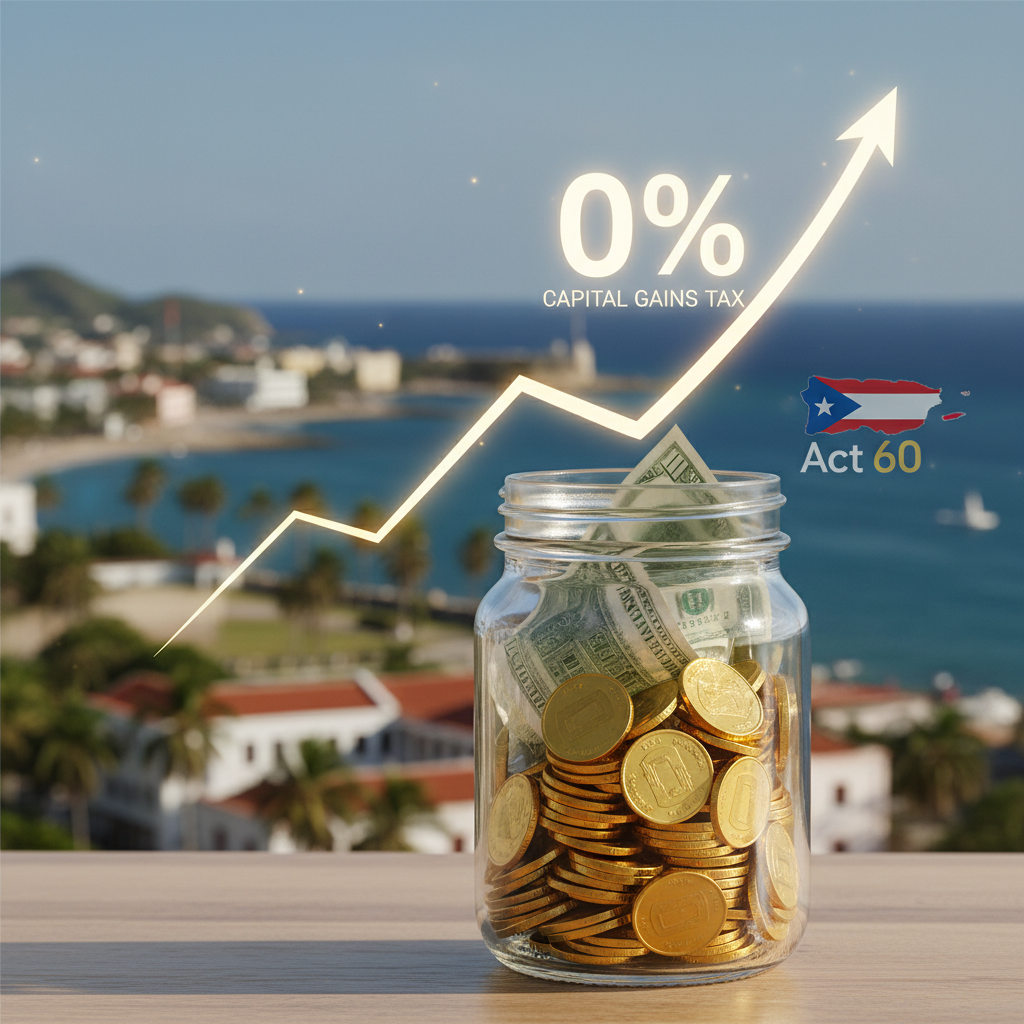

Understanding Capital Gains in Puerto Rico
When considering investment opportunities in Puerto Rico, one of the most compelling advantages is the treatment of capital gains under Act 60. Capital gains are profits earned from the sale of assets like stocks, real estate, or businesses. In many places, these gains are taxed heavily, which can diminish overall returns. Puerto Rico offers a different approach, making it an attractive destination for investors seeking to maximize their gains.
What Is Act 60?
Act 60, also known as the Puerto Rico Incentives Code, consolidates various tax incentives designed to promote economic growth on the island. It includes provisions that significantly reduce or eliminate taxes on certain types of income, including capital gains, for qualifying individuals and businesses. This law aims to attract investors, entrepreneurs, and high-net-worth individuals to Puerto Rico by offering favorable tax treatment.
How Are Capital Gains Treated Under Act 60?
Under Act 60, long-term capital gains accrued after becoming a resident of Puerto Rico are generally taxed at a rate of 0%. This means that if you establish residency and hold assets for more than one year, the profits from their sale can be entirely free of Puerto Rican capital gains tax. Gains realized before establishing residency are typically taxed at the standard Puerto Rican rate, which is often lower than in many U.S. states or countries.
What Types of Gains Qualify?
- Stock Market Investments: Gains from the sale of stocks, bonds, or other securities held for more than a year after becoming a resident.
- Real Estate: Profits from selling property acquired after establishing residency.
- Business Assets: Gains from the sale of business interests or assets held during residency.
It is important to note that gains realized before moving to Puerto Rico are generally not eligible for the 0% rate. Proper planning and timing are essential to maximize benefits.
How to Qualify for the Benefits
To benefit from the favorable capital gains treatment, individuals must establish bona fide residency in Puerto Rico. This involves meeting specific criteria, such as spending at least 183 days per year on the island, establishing a primary residence, and demonstrating intent to make Puerto Rico your permanent home. Working with a focused legal or tax professional can help ensure compliance and optimize your tax position.
Why Does This Matter for Investors?
The ability to realize gains tax-free can significantly boost investment returns. It encourages long-term holding of assets, which can lead to more stable investment portfolios. Additionally, the favorable tax environment can make Puerto Rico a strategic base for managing investments, especially for those with substantial assets or international holdings.
Final Thoughts
Understanding how capital gains are treated under Act 60 is key for anyone considering relocating or investing in Puerto Rico. The law offers a unique opportunity to retain more of your investment profits, provided you meet the residency requirements. As with any tax strategy, careful planning and professional guidance are essential to ensure compliance and maximize benefits.