
Why Verifying Your Crypto Recovery Lawyer's License Matters
If you have lost cryptocurrency or digital assets to fraud, theft, or a failed investment scheme, you need legal representation from someone who is actually licensed to practice law. The crypto recovery industry attracts both legitimate attorneys and fraudsters posing as legal professionals. Verifying your lawyer's credentials before hiring them is not optional. It is the first step in protecting yourself from further financial harm.
Unlicensed practitioners who claim to recover crypto assets operate outside the law. They cannot file lawsuits, represent you in court, or access the legal tools necessary to recover your funds. Worse, they may take your money and disappear. A licensed attorney has met educational requirements, passed bar examinations, and submitted to ongoing oversight by state bar associations. This accountability matters when your financial recovery is at stake.
Understanding What "Licensed to Practice Law" Actually Means
A lawyer's license is a credential issued by a state bar association after the attorney completes law school, passes the bar examination, and meets character and fitness requirements. The license permits that attorney to practice law within that specific state or jurisdiction. A lawyer licensed in Puerto Rico, for example, can practice law in Puerto Rico. A lawyer licensed in New York can practice in New York. Licenses are jurisdiction-specific.
When someone claims to be a "crypto recovery lawyer," that title does not indicate a separate license or certification. Crypto recovery is a practice area, not a licensing category. Any licensed attorney can theoretically handle crypto-related cases, but not all licensed attorneys have the knowledge or experience to do so effectively. This distinction is critical. You need someone who is both licensed and experienced in blockchain technology, digital asset law, and recovery procedures.
Some attorneys hold additional certifications in blockchain law or digital assets from professional organizations. These certifications indicate focused training but are not required to practice law. They supplement a lawyer's primary license. When evaluating a crypto recovery lawyer, you should verify the primary license first, then ask about any additional certifications or focused training in blockchain and digital asset matters.
How to Check a Lawyer's License Status
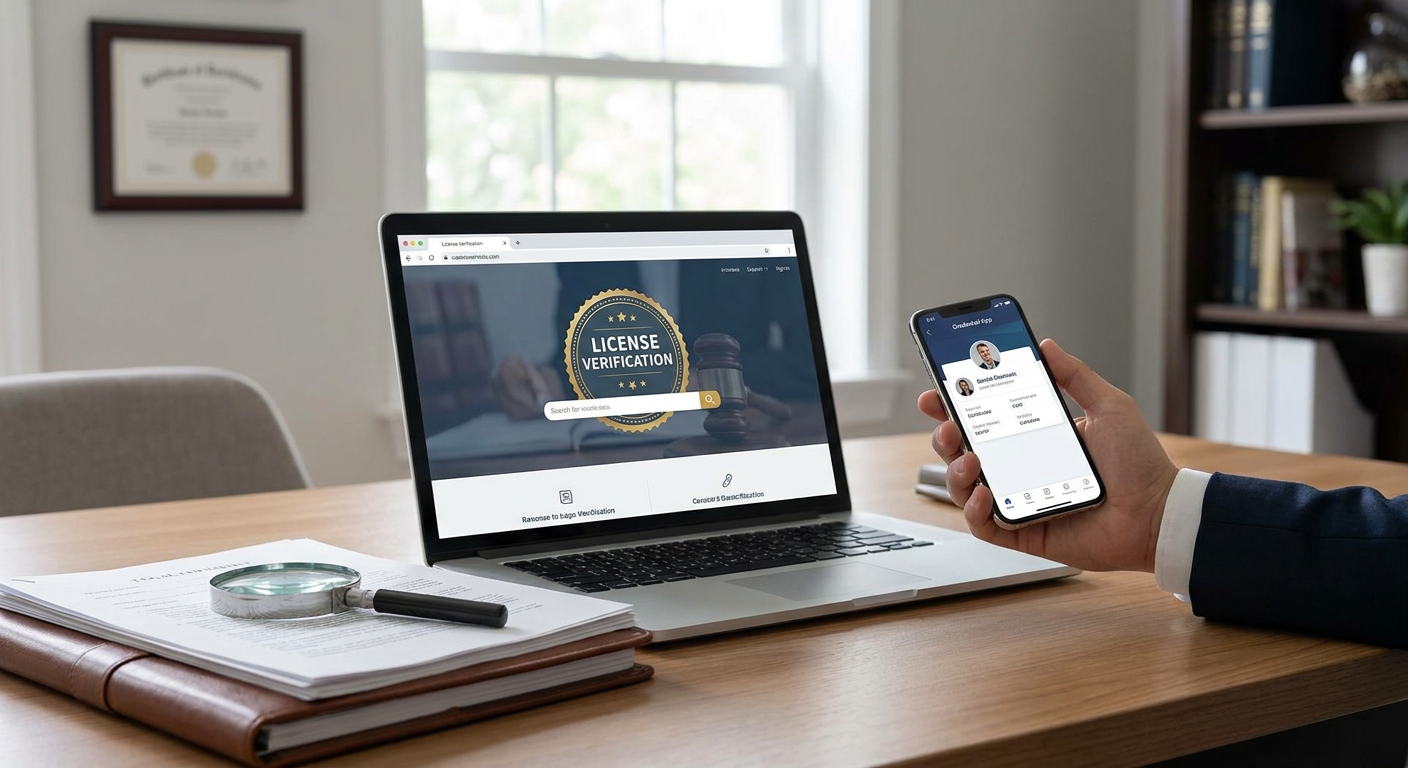
Every state bar association maintains a public database where you can verify whether an attorney is licensed to practice law. The process is straightforward and takes minutes.
Start by identifying which state bar association issued the lawyer's license. If the attorney claims to be licensed in Puerto Rico, you would check the Puerto Rico Bar Association. If they claim to be licensed in Florida, you would check the Florida Bar. Do not assume a lawyer is licensed in multiple jurisdictions. Many attorneys hold licenses in only one state.
Visit the state bar association's website and locate the lawyer search or directory function. Most bar associations offer this tool for free. Enter the lawyer's full name and search. The results will show whether the attorney is currently licensed, in good standing, and authorized to practice law in that jurisdiction. The database will also display any disciplinary history, suspensions, or disbarments.
If the search returns no results, the lawyer is not licensed in that state. If the search shows the license is inactive, suspended, or the attorney has been disbarred, do not hire that person. These statuses mean the attorney cannot legally practice law.
For Puerto Rico specifically, the Puerto Rico Bar Association maintains the official registry of licensed attorneys. You can search this registry online to confirm that a lawyer claiming to practice in Puerto Rico holds a valid license. This is especially important if you are working with a firm that handles commercial law, blockchain compliance, or other business matters in Puerto Rico.
What to Look for in the Bar Association Database
When you find an attorney in the bar association database, review the information carefully. The database should display the attorney's full name, license number, date of admission, and current status. Good standing means the attorney is in compliance with bar requirements and has no active disciplinary matters.
Pay attention to any notes about disciplinary history. If an attorney has been disciplined, the database will typically provide details about the nature of the discipline. Minor infractions may not disqualify someone, but a pattern of complaints or serious violations should raise red flags. Disbarment or suspension means the attorney cannot practice law and should not be hired under any circumstances.
Some bar databases also show whether an attorney has malpractice insurance. This is relevant because it indicates the attorney carries professional liability coverage. If something goes wrong, malpractice insurance provides a layer of protection for clients.
The database may also indicate whether the attorney has completed continuing legal education requirements. Most states require licensed attorneys to complete a certain number of continuing education hours each year to maintain their license. Compliance with these requirements shows the attorney is staying current with changes in the law.
Verifying Focused Experience in Crypto and Digital Assets
A valid license confirms that someone is authorized to practice law. It does not confirm that they understand cryptocurrency, blockchain technology, or digital asset recovery. You need to verify both the license and the lawyer's focused experience in this area.
Ask the attorney directly about their background in crypto and blockchain matters. How many cases have they handled involving cryptocurrency theft or fraud? What was the outcome? Do they have experience with specific blockchain platforms like Bitcoin, Ethereum, or others relevant to your situation? Have they worked with exchanges, wallet providers, or law enforcement on recovery efforts?
Request references from previous clients who had similar cases. A lawyer with genuine experience in crypto recovery should be able to provide at least a few references. Contact those references and ask about the attorney's knowledge, communication, and results.
Review the attorney's website and published materials. Do they write about blockchain law, digital asset recovery, or related topics? Have they spoken at conferences or published articles on these subjects? This demonstrates that they stay informed about developments in the field.
Check whether the attorney has completed focused training or certifications in blockchain law. Organizations like the American Bar Association and various blockchain law institutes offer certifications and courses. An attorney who has completed these programs has invested time in understanding the technical and legal aspects of digital assets.
Red Flags That Indicate an Unlicensed or Fraudulent Operator
Certain warning signs indicate that someone claiming to be a crypto recovery lawyer may not be legitimate. If you encounter any of these red flags, do not hire that person.
First, if a search of the state bar association database returns no results, the person is not licensed. No exceptions. Do not accept explanations like "my license is under a different name" or "I am licensed but not listed yet." Licensed attorneys appear in their state bar databases.
Second, be wary of anyone who guarantees recovery. Legitimate lawyers cannot guarantee outcomes. They can explain the legal theories that might apply to your case and the steps they will take, but they cannot promise that you will recover your funds. Anyone making guarantees is either inexperienced or dishonest.
Third, avoid anyone who asks for payment upfront before explaining their services or before you have signed a representation agreement. Legitimate attorneys provide written fee agreements that clearly state how they charge and what services are included. They do not demand money before you understand what you are paying for.
Fourth, if someone claims to have special connections with law enforcement, exchanges, or government agencies that will guarantee recovery, be skeptical. These claims are often false. Legitimate recovery efforts follow legal procedures, not back-channel deals.
Fifth, if the person cannot explain basic concepts about how cryptocurrency works or how recovery procedures function, they lack the focused knowledge necessary to help you. A lawyer experienced in crypto recovery should be able to discuss blockchain technology, wallet security, and recovery mechanisms in clear terms.
Understanding Multi-Jurisdictional Practice and Limitations
Some crypto recovery cases involve assets or parties in multiple states or countries. You may wonder whether a lawyer licensed in one state can handle a case involving another jurisdiction. The answer is complicated and depends on the specific circumstances.
A lawyer licensed in Puerto Rico can practice law in Puerto Rico. If your case involves Puerto Rico law or Puerto Rico-based parties, that lawyer can represent you. If your case involves federal law, a Puerto Rico-licensed attorney can also handle federal matters because federal law applies nationwide.
However, if your case requires filing a lawsuit in another state, you may need an attorney licensed in that state. Some states allow out-of-state attorneys to appear in court with permission from the local court, but this is not automatic. Many states require local counsel.
When you hire a lawyer for a multi-jurisdictional case, ask explicitly whether they are licensed in all relevant jurisdictions or whether they will need to associate with local counsel. A transparent attorney will explain these limitations upfront. If they do not, ask directly.
Checking for Disciplinary Records and Complaints
Beyond confirming that a lawyer is licensed, you should investigate whether they have a history of complaints or disciplinary action. State bar associations investigate complaints from clients and take action against attorneys who violate professional conduct rules.
Most state bar association websites allow you to search not only for current license status but also for disciplinary history. This information is public. If an attorney has been disciplined, you can see what the complaint was about and what action the bar association took.
A single minor disciplinary matter may not be disqualifying. Attorneys are human and sometimes make mistakes. However, a pattern of complaints, especially complaints involving dishonesty, theft, or mishandling of client funds, should disqualify that attorney from your consideration.
You can also search online for news articles or reviews mentioning the attorney. While online reviews should be taken with some skepticism, patterns of complaints across multiple sources warrant caution.
Verifying Credentials Beyond the Bar License
Some attorneys claim credentials beyond their bar license. These might include certifications from professional organizations, memberships in specialized bar associations, or academic credentials. You should verify these claims as well.
If an attorney claims to be certified in blockchain law by a specific organization, contact that organization to confirm. If they claim to be a member of a specialized bar association focused on digital assets or commercial law, verify the membership. These credentials should be verifiable through the issuing organization.
Be cautious of vague credentials like "crypto recovery specialist" or "blockchain expert" that are not issued by recognized professional organizations. Anyone can claim these titles. Credentials issued by established bar associations, law schools, or professional organizations carry more weight.
Academic credentials matter as well. If an attorney claims to have a degree from a specific law school, you can verify this through the law school's registrar or alumni office. Most law schools maintain records of graduates and can confirm whether someone actually attended and graduated.
Understanding the Difference Between Licensed Attorneys and Unlicensed Recovery Services
The crypto recovery industry includes many unlicensed services that claim to recover stolen or lost digital assets. These services are not law firms and do not employ licensed attorneys. They operate in a gray area, often making promises they cannot keep.
Unlicensed recovery services cannot file lawsuits, subpoena records, or represent you in court. They cannot access the legal tools that are often necessary to recover cryptocurrency. They may claim to have technical expertise or special connections, but without a law license, they cannot provide legal representation.
If you hire an unlicensed recovery service and something goes wrong, you have limited recourse. These services are not regulated by bar associations and do not carry malpractice insurance. You cannot file a complaint with a bar association because they are not licensed attorneys.
For serious crypto recovery efforts, you need a licensed attorney. A lawyer can file civil lawsuits, work with law enforcement, issue subpoenas, and use other legal mechanisms to pursue recovery. These tools are not available to unlicensed services.
Questions to Ask When Evaluating a Crypto Recovery Lawyer
Once you have confirmed that a lawyer is licensed and has no serious disciplinary history, ask these questions to evaluate their suitability for your case.
- Are you licensed to practice law in [the relevant state or jurisdiction]? Ask them to provide their license number and confirm it matches the bar association database.
- How many crypto recovery cases have you handled? Ask for specific numbers and types of cases.
- What was the outcome of your most recent crypto recovery cases? Ask whether they recovered funds and how much.
- Do you have experience with the specific blockchain platform or exchange involved in my case?
- Will you handle my case personally, or will it be assigned to another attorney? If assigned, who will that attorney be, and what are their credentials?
- How do you charge for your services? Ask for a written fee agreement before you hire them.
- What is your assessment of my case's likelihood of success? Be skeptical of anyone who guarantees recovery.
- If my case involves multiple jurisdictions, which states are you licensed in, and will you need to associate with local counsel?
- Do you carry malpractice insurance? This is standard for licensed attorneys.
- Can you provide references from previous clients with similar cases?
The Role of Blockchain Compliance Knowledge
Crypto recovery often intersects with blockchain compliance and regulatory matters. A lawyer who understands both recovery procedures and the regulatory landscape surrounding cryptocurrency is better positioned to help you.
Blockchain compliance involves understanding how cryptocurrency exchanges, wallet providers, and other digital asset service providers are regulated. It includes knowledge of anti-money laundering requirements, know-your-customer procedures, and reporting obligations. A lawyer with this knowledge can navigate the regulatory environment and work effectively with exchanges and service providers to recover your assets.
When evaluating a crypto recovery lawyer, ask whether they have experience with blockchain compliance matters. This is not required, but it is a valuable addition to their skill set. You can learn more about blockchain compliance and how it relates to digital asset recovery by visiting our blockchain compliance page.
Next Steps: Getting a Free Initial Evaluation
If you have lost cryptocurrency or digital assets and need legal representation, the first step is to speak with a licensed attorney who can evaluate your situation. Christian M. Frank Fas, Esq., a Puerto Rico licensed attorney with over 20 years of commercial and business law experience, offers a free initial evaluation to discuss your case.
During a free initial evaluation, you can ask about the attorney's license, experience, and approach to your case. You can verify their credentials and determine whether they are the right fit for your situation. This conversation costs you nothing and provides valuable information to guide your decision.
To schedule your free initial evaluation, visit lawyerinpr.com/start. Bring details about your case, including information about the cryptocurrency you lost, how the loss occurred, and any communications with the parties involved. The more information you provide, the more thorough the evaluation can be.