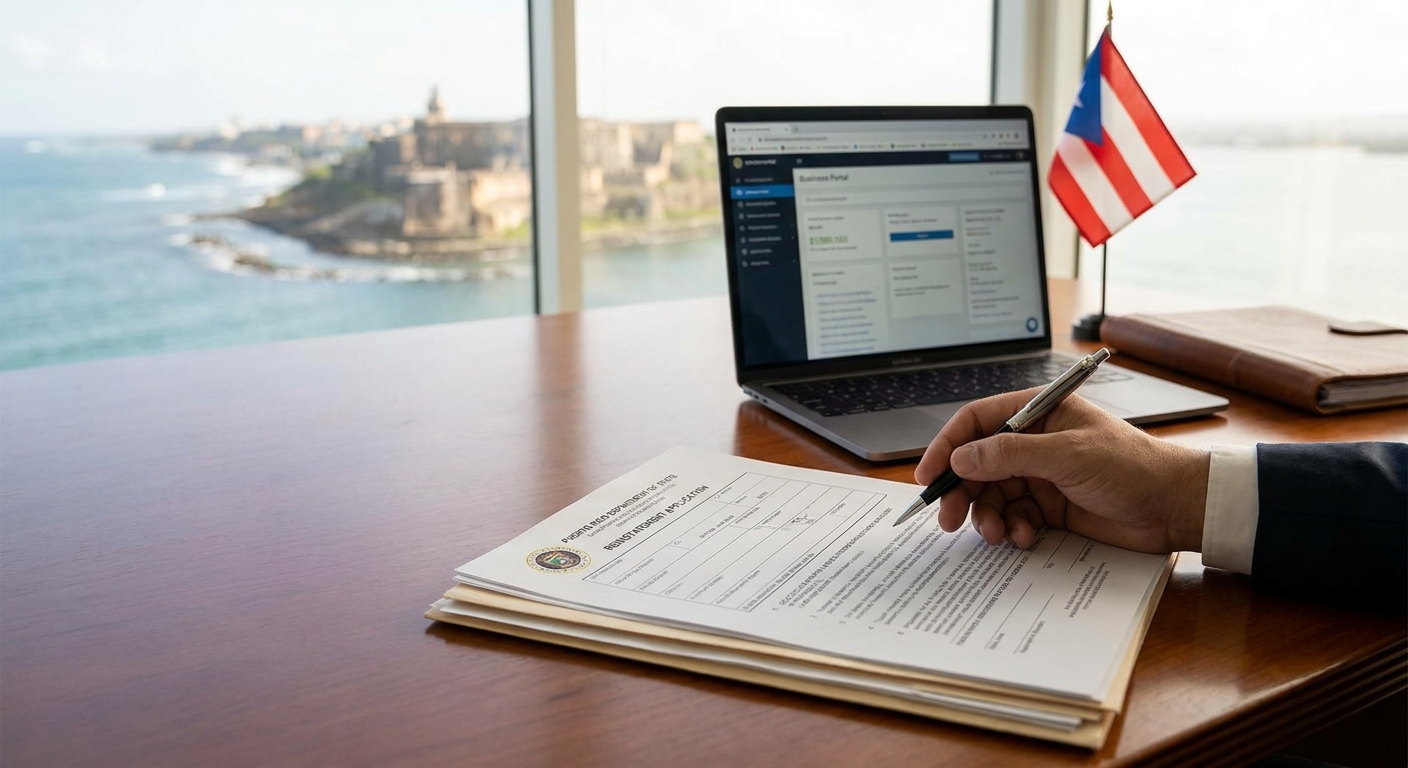

Why Reinstatement Matters for Your Puerto Rico Business
A dissolved Puerto Rico entity is not dead. It can be brought back to life through reinstatement, but only if you understand the legal requirements and act within the proper timeframes. Many business owners discover too late that their corporation, LLC, or partnership was dissolved due to missed filings, unpaid taxes, or administrative oversights. The consequences are real: you lose the ability to conduct business, enter contracts, sue or defend lawsuits, and maintain the liability protections that the entity structure provided.
Reinstatement is the formal process of restoring a dissolved entity to active status. It requires filing specific documents with the Puerto Rico Department of State, paying outstanding fees and taxes, and meeting all conditions imposed by law. The process is straightforward when handled correctly, but mistakes or delays can result in permanent loss of your business structure and the rights attached to it.
Understanding How Puerto Rico Entities Become Dissolved
Dissolution occurs through several pathways. Voluntary dissolution happens when the owners or managers file a Certificate of Dissolution with the Department of State. This is a deliberate choice to wind down the business. Involuntary dissolution, by contrast, occurs when the government dissolves the entity for failure to comply with legal obligations.
The most common cause of involuntary dissolution is failure to file annual reports. Puerto Rico law requires all entities to file an annual report each year. Missing this deadline triggers a notice from the Department of State. If you do not respond or file within the grace period, the entity is dissolved administratively. This happens without a hearing and without your explicit consent.
Other causes of involuntary dissolution include failure to pay annual franchise taxes, failure to maintain a registered agent in Puerto Rico, and failure to pay penalties or fines assessed by the Department of State. Some entities are also dissolved for failure to comply with specific regulatory requirements, such as those imposed on financial institutions or insurance companies.
The key distinction is timing. Voluntary dissolution is effective immediately upon filing. Involuntary dissolution typically becomes effective 60 days after the Department of State sends notice, giving you a window to cure the default. If you miss that window, the dissolution becomes final.
The Legal Requirements for Reinstatement
Reinstatement requires compliance with Puerto Rico's Corporation Code, Limited Liability Company Code, or Partnership Code, depending on your entity type. The process is not automatic and cannot be rushed. You must file a formal application with the Department of State and meet all conditions before reinstatement is granted.
The primary requirement is filing an Application for Reinstatement. This document must include the entity's name, the date of dissolution, the reason for dissolution, and a statement that the entity wishes to resume business operations. You must also provide the names and addresses of the current managers or directors and the registered agent.
Beyond the application itself, you must cure all defaults that led to dissolution. If the entity was dissolved for failure to file an annual report, you must file all missing annual reports. If it was dissolved for unpaid taxes, you must pay those taxes in full, plus any penalties and interest assessed by the Puerto Rico Treasury Department. If it was dissolved for failure to maintain a registered agent, you must appoint a new registered agent before filing the reinstatement application.
You must also pay the reinstatement fee charged by the Department of State. This fee varies depending on the entity type and the length of time the entity has been dissolved. The longer the entity has been dissolved, the higher the fee may be. Additionally, you may owe back annual report fees for each year the entity was dissolved.
The Department of State will review your application and all supporting documents. If everything is in order, reinstatement is granted and a Certificate of Reinstatement is issued. This certificate is your proof that the entity has been restored to active status. The entity's rights, powers, and privileges are restored as of the date of reinstatement, not as of the original dissolution date.
Timing and Deadlines for Reinstatement
There is no absolute deadline for filing a reinstatement application. You can reinstate an entity years after it was dissolved, provided you meet all the conditions. However, the longer you wait, the more complicated the process becomes.
If your entity was involuntarily dissolved, you have a 60-day grace period from the date the Department of State sends notice. During this period, you can cure the default without filing a formal reinstatement application. For example, if you receive notice that your entity will be dissolved for failure to file an annual report, you can file the missing report within 60 days and avoid dissolution altogether. This is far simpler than reinstatement.
Once the 60-day period expires and the entity is formally dissolved, you must file a reinstatement application. There is no time limit for this, but practical considerations apply. The longer the entity remains dissolved, the more back taxes, fees, and penalties accumulate. Additionally, if the entity has been dissolved for several years, the Department of State may require additional documentation to verify that the entity is legitimate and that the applicant has authority to reinstate it.
If your entity was voluntarily dissolved, reinstatement is also possible but requires the consent of the owners or managers who authorized the original dissolution. You cannot unilaterally reinstate an entity that was deliberately dissolved by its owners. The reinstatement application must be signed by the current managers or directors, and they must have authority to make this decision under the entity's operating agreement or bylaws.
The Reinstatement Process Step by Step
The reinstatement process begins with gathering all necessary documents and information. You need the entity's original Certificate of Incorporation or Formation, the Certificate of Dissolution, and copies of all annual reports filed before dissolution. You also need current information about the managers, directors, and registered agent.
Next, you must cure all defaults. Contact the Puerto Rico Treasury Department to determine if there are outstanding taxes or penalties. Request a tax clearance letter or a statement showing that all taxes have been paid. Contact the Department of State to determine if there are outstanding annual report fees or other administrative penalties. Pay these amounts in full.
Once all defaults are cured, prepare the Application for Reinstatement. This document must be signed by an authorized representative of the entity, typically the president or manager. The signature must be notarized. Include the application fee, which is paid to the Department of State. The fee amount depends on the entity type and the length of time dissolved.
File the application with the Department of State. You can file in person at the Department's office in San Juan, by mail, or through the Department's online filing system if available. Keep a copy of the filed application and the receipt showing the filing date and fee paid.
The Department of State will review your application. This typically takes 5 to 10 business days, though it can take longer if additional information is requested. If the application is incomplete or if there are outstanding issues, the Department will send a notice requesting additional documentation or payment.
Once the Department approves the application, a Certificate of Reinstatement is issued. This certificate is the official proof that your entity has been restored to active status. The entity can now conduct business, enter contracts, and exercise all rights and powers it had before dissolution.
Common Obstacles and How to Overcome Them
One frequent obstacle is the inability to locate the original Certificate of Incorporation or Formation. If you cannot find this document, you can request a certified copy from the Department of State. The Department maintains records of all filed documents and can issue certified copies for a fee. This process takes several days, so plan accordingly.
Another common issue is outstanding taxes or penalties that are difficult to quantify. The Puerto Rico Treasury Department may have assessed taxes for years the entity was dissolved, and the amount owed may be unclear. Contact the Treasury Department directly and request a detailed statement of all amounts due. If you dispute the amount, you may need to file a protest or appeal with the Treasury Department before proceeding with reinstatement.
Some entities face obstacles because the registered agent is no longer available or willing to serve. Puerto Rico law requires every entity to maintain a registered agent with a physical address in Puerto Rico. If your original registered agent has moved or is no longer in business, you must appoint a new registered agent before filing the reinstatement application. This is a simple process but must be completed before reinstatement can be granted.
If the entity was voluntarily dissolved and the original owners or managers are no longer available, reinstatement becomes more complicated. You may need to provide evidence of a change in ownership or management, or you may need to obtain written consent from the original owners. This requires careful documentation and sometimes litigation to establish authority.
Entities that were dissolved for regulatory violations may face additional requirements. For example, if a financial institution was dissolved for failure to comply with banking regulations, reinstatement may require approval from the Puerto Rico Commissioner of Financial Institutions. Similarly, if an insurance company was dissolved, reinstatement may require approval from the Puerto Rico Commissioner of Insurance. Identify any regulatory requirements specific to your entity type and address them before filing the reinstatement application.
Tax Implications of Reinstatement
Reinstatement has significant tax consequences that must be understood before proceeding. When an entity is dissolved, it is generally treated as having ceased business operations for tax purposes. If the entity was subject to Puerto Rico income tax, the dissolution may trigger a final tax return requirement. When the entity is reinstated, it resumes tax obligations from the date of reinstatement forward.
However, the entity remains liable for all taxes that accrued during the period of dissolution. If the entity owned real property or other assets that generated income while dissolved, that income is still taxable. The Puerto Rico Treasury Department will assess taxes for these periods, and you must pay them before reinstatement can be completed.
If your entity is eligible for Act 60 tax incentives, reinstatement may affect your eligibility or the terms of your incentive grant. Some Act 60 grants require continuous business operations, and a period of dissolution may be treated as a break in operations. Review your Act 60 grant agreement carefully and contact the Puerto Rico Export Services Corporation if you have questions about how reinstatement affects your incentive status. For more information on Act 60 requirements, visit our Act 60 tax incentives page.
Entities that were dissolved for failure to pay taxes face the most significant tax consequences. The Puerto Rico Treasury Department will assess penalties and interest on all unpaid taxes. These amounts can be substantial, especially if the entity has been dissolved for several years. Before reinstatement, obtain a complete accounting of all taxes, penalties, and interest owed. Budget for these amounts and ensure you have the resources to pay them.
Reinstatement and Liability Protection
One critical question business owners ask is whether reinstatement restores the liability protections that the entity structure provided. The answer is yes, but with important limitations.
When an entity is dissolved, the liability shield does not automatically disappear. However, the longer the entity remains dissolved, the greater the risk that courts will disregard the entity structure and hold the owners personally liable for obligations incurred during the dissolution period. This is especially true if the owners continued to conduct business using the entity's name or assets while the entity was dissolved.
Reinstatement restores the entity to active status and restores the liability protections going forward. However, it does not retroactively shield the owners from liability for actions taken while the entity was dissolved. If you conducted business in the entity's name while it was dissolved, creditors may have claims against you personally. Reinstatement does not eliminate these claims.
To minimize this risk, cease all business operations immediately upon discovering that your entity has been dissolved. Do not enter into contracts, incur debt, or conduct any business activities in the entity's name. If you must continue operations, do so in your personal name or through a different entity, and make clear that you are not acting on behalf of the dissolved entity. Once reinstatement is complete, you can resume operations under the entity's name with full liability protection.
When to Seek Professional Guidance
Reinstatement can be handled independently if the entity was dissolved for a simple reason, such as a missed annual report, and all defaults can be easily cured. However, professional guidance is advisable in several situations.
If the entity was dissolved for unpaid taxes or regulatory violations, an experienced business attorney can help you understand the full scope of your obligations and negotiate with the Puerto Rico Treasury Department or relevant regulatory agencies. If the entity was voluntarily dissolved and you need to establish authority to reinstate it, an attorney can help you gather the necessary documentation and resolve any disputes among owners.
If the entity has been dissolved for several years and you are uncertain about the status of outstanding obligations, an attorney can conduct a thorough review of the entity's history and identify all issues that must be resolved before reinstatement. This prevents surprises after reinstatement and ensures that the process is completed correctly.
If your entity is subject to specialized regulatory requirements, such as those applicable to financial institutions or blockchain companies, an attorney with focused knowledge in that area can ensure that reinstatement complies with all applicable regulations. For entities involved in blockchain or cryptocurrency activities, visit our blockchain compliance page for more information.
Next Steps
If your Puerto Rico entity has been dissolved and you want to restore it to active status, the first step is to understand the specific reasons for dissolution and the obligations you must meet to reinstate it. Gather your entity documents, contact the Department of State and Puerto Rico Treasury Department to identify all outstanding issues, and develop a plan to cure each default.
If you are uncertain about any aspect of the reinstatement process or if your situation involves complications, schedule a free initial evaluation with Christian M. Frank Fas, Esq. With over 20 years of experience in Puerto Rico business law, he can review your entity's status, identify all requirements for reinstatement, and guide you through the process efficiently. Visit our free evaluation page to get started.