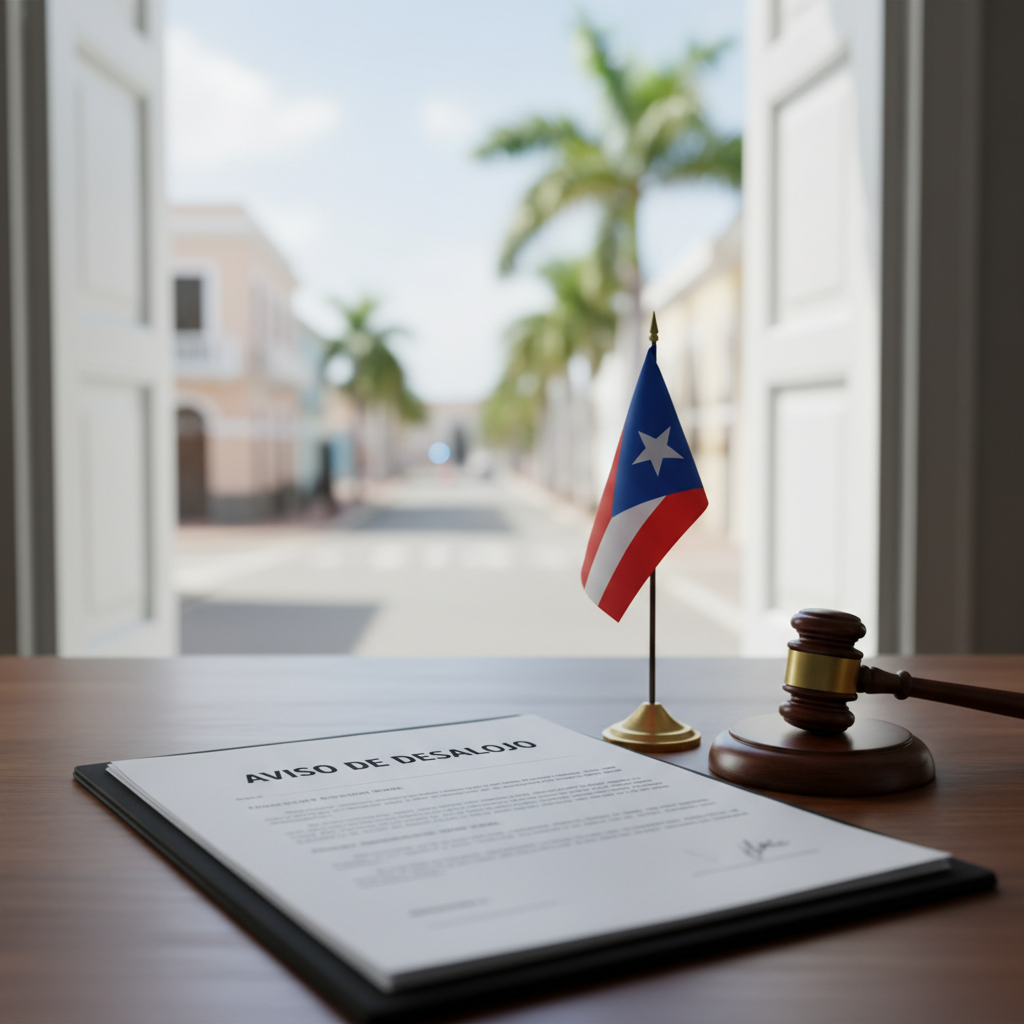

Understanding the Puerto Rico Eviction Process
Evicting a tenant in Puerto Rico involves a clear legal process designed to protect both property owners and tenants. Knowing how this process works can help landlords handle situations smoothly and avoid unnecessary delays or legal complications.
When Can a Landlord Initiate Eviction?
In Puerto Rico, a landlord can begin eviction procedures if a tenant breaches the lease agreement. Common reasons include non-payment of rent, violation of lease terms, or staying beyond the authorized period. It’s important to have documented evidence of the breach before proceeding.
The Notice to Vacate
The first step in the eviction process is serving a formal notice to the tenant. This notice informs the tenant of the breach and provides a specific period—usually 10 days—to remedy the issue or vacate the property. If the problem is unpaid rent, the notice typically demands payment within this period.
Filing an Eviction Lawsuit
If the tenant does not comply with the notice, the landlord can file a formal eviction lawsuit in the local court. This legal step involves submitting documentation that proves the breach and the notice served. The court then schedules a hearing to review the case.
The Court Hearing
During the hearing, both parties present their evidence. The tenant can contest the eviction if they believe it is unjustified. The judge will evaluate the case and decide whether to grant the eviction order. If approved, the court issues a writ of eviction.
Enforcing the Eviction
Once the court grants the eviction, law enforcement officers are authorized to remove the tenant if they do not leave voluntarily. This step ensures the landlord regains possession of the property in a lawful manner.
Important Considerations
- Timeframe: The entire process can take several weeks to a few months, depending on court schedules and whether the tenant contests the eviction.
- Legal Compliance: Following the proper legal steps is essential. Skipping notices or court procedures can lead to delays or legal penalties.
- Tenant Rights: Tenants have rights under Puerto Rico law, including the right to a fair hearing and proper notice. Respecting these rights helps avoid legal complications.
Summary
Evicting a tenant in Puerto Rico involves serving a notice, filing a lawsuit if necessary, attending a court hearing, and, if approved, enforcing the eviction through law enforcement. Understanding each step ensures the process remains lawful and efficient, protecting your property rights while respecting tenant protections.