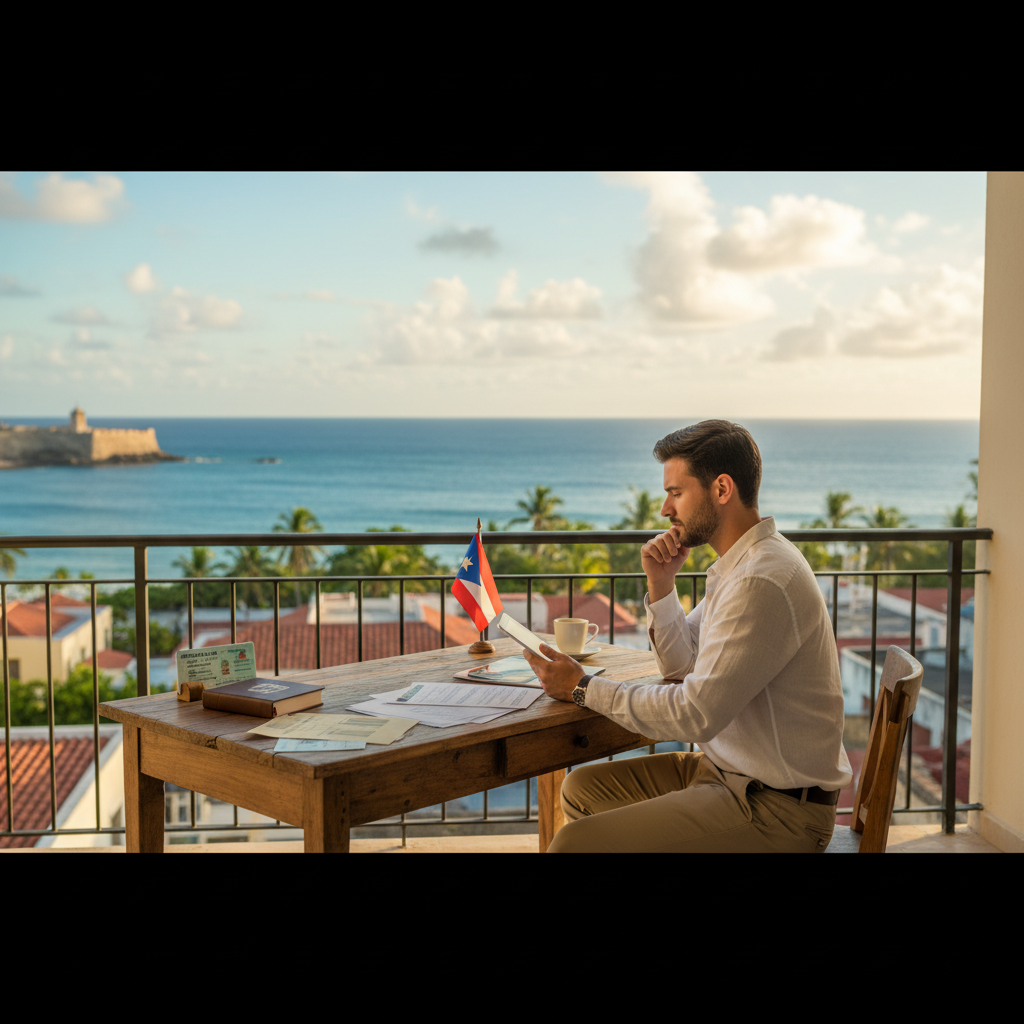

Understanding the Bona Fide Residency Test in Puerto Rico
Many entrepreneurs and investors are drawn to Puerto Rico for its unique tax advantages and business-friendly environment. However, to fully benefit from these incentives, establishing bona fide residency is essential. This process isn’t just about spending time in Puerto Rico; it involves meeting specific criteria that demonstrate genuine, ongoing ties to the island.
The bona fide residency test is a set of standards used by the U.S. Internal Revenue Service (IRS) to determine whether an individual qualifies as a resident of Puerto Rico for tax purposes. Meeting this test can significantly impact your tax obligations, potentially allowing you to enjoy Puerto Rico’s favorable tax incentives while maintaining U.S. citizenship.
Why Does the Bona Fide Residency Status Matter?
Achieving bona fide residency in Puerto Rico opens doors to a range of tax benefits, including significant reductions or exemptions from federal income tax on income sourced within Puerto Rico. This status also helps avoid double taxation and aligns your legal and tax obligations with your physical presence and economic ties to the island.
For business owners and investors, establishing bona fide residency can be a strategic move to optimize tax planning, protect assets, and enjoy the benefits of Puerto Rico’s unique legal and economic environment. But it’s important to understand the specific requirements involved in qualifying for this status.
The Three Key Tests for Bona Fide Residency
The IRS evaluates bona fide residency through three main criteria:
- Physical Presence Test: You must be physically present in Puerto Rico for at least 183 days during the tax year. This is the most straightforward requirement, but it’s not the only factor considered.
- Tax Home Test: Your primary place of business or employment must be in Puerto Rico. This means your main economic activities should be centered on the island, not just a temporary stay.
- Closer Connection Test: You need to demonstrate a stronger personal and economic connection to Puerto Rico than to any other location. This includes factors like where your family lives, where you maintain your primary residence, and where your financial ties are strongest.
How to Meet the Closer Connection Test
This part of the test often requires a closer look at your lifestyle and ties. Some key considerations include:
- Where you keep your primary residence and personal belongings
- Where your immediate family resides
- Where you hold bank accounts and conduct financial transactions
- Where you participate in community or social activities
- Where you are registered to vote or hold a driver’s license
Providing documentation that supports these connections can help establish your intent to make Puerto Rico your primary home.
Maintaining Bona Fide Residency Over Time
Achieving bona fide residency isn’t a one-time event. It requires ongoing compliance with the criteria each year. This means maintaining physical presence, economic ties, and personal connections to Puerto Rico consistently. Failing to meet these standards can jeopardize your status and the associated tax benefits.
Practical Steps to Establish and Maintain Residency
- Spend the majority of your time in Puerto Rico each year, especially during the tax year.
- Establish a permanent residence on the island, such as buying or leasing a home.
- Register to vote and obtain a Puerto Rico driver’s license.
- Open local bank accounts and participate in community activities.
- Keep detailed records of your time spent in Puerto Rico and your economic activities.
Consulting with a focused legal or tax professional familiar with Puerto Rico’s residency rules can help ensure you meet all requirements and maintain your status over time.
Conclusion
Understanding and fulfilling the bona fide residency test is a key step for anyone looking to maximize Puerto Rico’s tax advantages while maintaining their U.S. citizenship. It’s about more than just spending time on the island; it’s about establishing genuine, ongoing ties that demonstrate your intent to make Puerto Rico your primary home. Proper planning and documentation are essential to securing this status and enjoying the full benefits it offers.