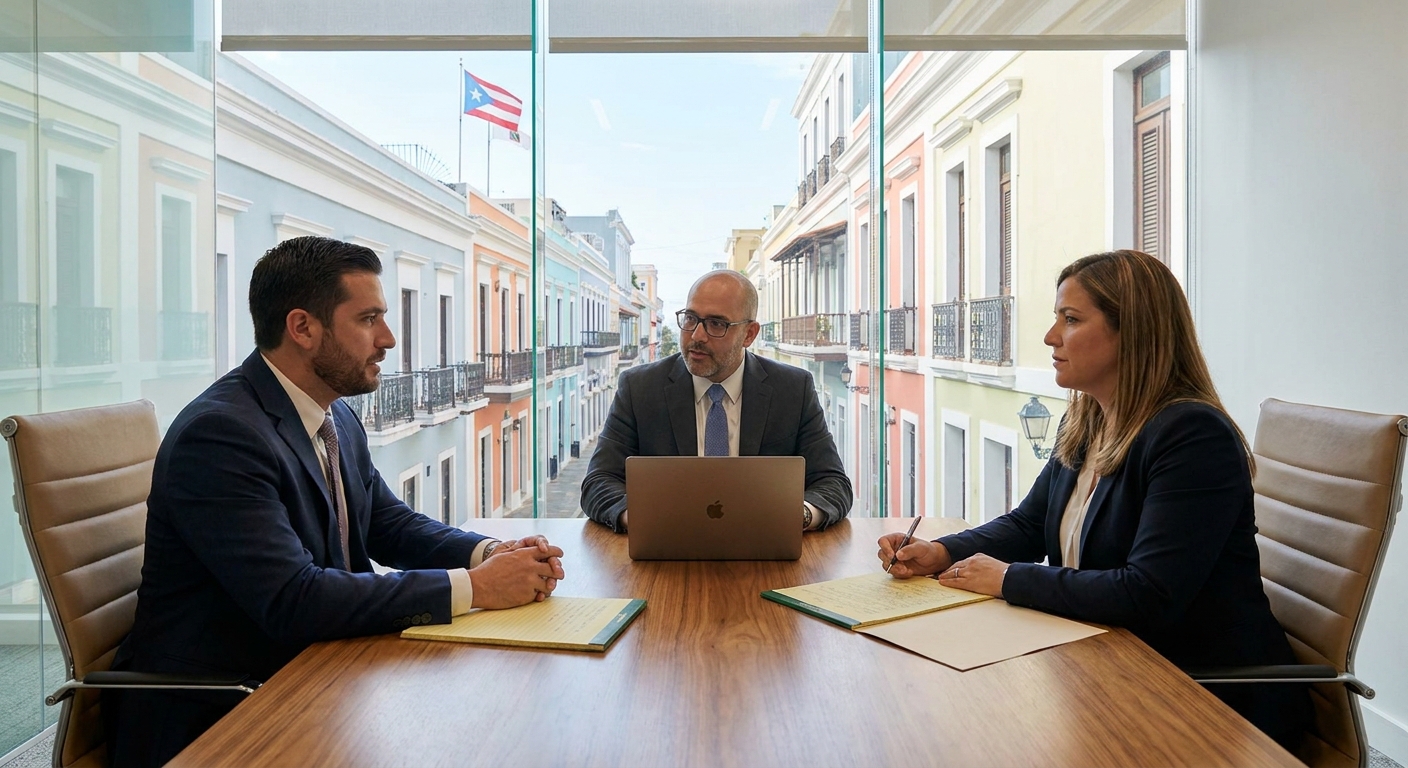

Mediation is not optional in Puerto Rico commercial disputes. Understanding the legal requirements that apply to your business can prevent costly litigation and preserve business relationships.
Puerto Rico law mandates mediation in specific categories of civil disputes before parties can proceed to trial. For business owners, investors, and commercial entities operating in Puerto Rico, these requirements directly affect how you resolve conflicts with partners, vendors, employees, and creditors. Failure to comply with mediation requirements can result in dismissal of your case, sanctions, or other adverse consequences. This article explains what mediation requirements apply to your situation and how to meet them properly.
The Legal Basis for Mediation Requirements in Puerto Rico
Puerto Rico's mediation requirements stem from the Puerto Rico Code of Civil Procedure and specific statutory provisions that govern different types of disputes. The jurisdiction has adopted mediation as a mandatory alternative dispute resolution mechanism for certain civil cases. This requirement reflects a broader policy favoring settlement and reducing court congestion.
The primary statute governing mediation in Puerto Rico is Article 3 of the Puerto Rico Code of Civil Procedure, which establishes the framework for mandatory mediation in civil cases. Additionally, specific statutes address mediation requirements in family law, labor disputes, and certain commercial matters. The Puerto Rico Supreme Court has issued rules and guidelines that clarify how mediation must be conducted and what constitutes compliance with statutory requirements.
For commercial disputes, the requirement to attempt mediation applies before filing suit in many circumstances. Courts have consistently held that parties must demonstrate good faith efforts to resolve disputes through mediation before proceeding to litigation. This requirement applies regardless of whether the parties have a contractual mediation clause.
Which Types of Disputes Require Mediation in Puerto Rico
Not all civil disputes in Puerto Rico are subject to mandatory mediation requirements. Understanding which disputes fall under these requirements is essential for business owners and commercial entities.
Disputes involving commercial contracts, partnership disagreements, and business-related claims often trigger mediation requirements. Cases involving amounts below certain thresholds may have different requirements than higher-value disputes. Family law matters, including divorce, custody, and support disputes, have their own mediation requirements separate from commercial cases.
Labor disputes and employment-related claims may be subject to mediation requirements under Puerto Rico labor law. Disputes involving real property transactions and construction contracts frequently require mediation before litigation. Cases involving intellectual property, licensing agreements, and technology disputes may also fall under mediation requirements depending on the specific nature of the claim.
The Puerto Rico Code of Civil Procedure provides that certain civil cases must be submitted to mediation before trial. Courts have interpreted this requirement broadly to include most commercial disputes unless specific exceptions apply. Cases involving injunctive relief, emergency matters, or disputes where one party seeks immediate court intervention may be exempt from pre-suit mediation requirements, though mediation may still be ordered after suit is filed.
Mandatory Mediation Before Filing Suit
In many commercial disputes, Puerto Rico law requires parties to attempt mediation before filing a lawsuit. This pre-suit mediation requirement applies even when the parties have not agreed to mediate. The requirement reflects Puerto Rico's strong public policy favoring settlement and alternative dispute resolution.
To comply with pre-suit mediation requirements, the party seeking to initiate dispute resolution must send a written notice to the other party proposing mediation. This notice should identify the dispute, propose a mediator or mediation process, and request the other party's participation. The notice must be sent by certified mail or personal delivery to ensure proper documentation of the mediation demand.
The responding party has a reasonable time to accept the mediation proposal. If the other party refuses to participate in mediation without valid justification, the initiating party may proceed to file suit. However, the court may consider the refusal to mediate when making decisions about costs, attorney fees, and sanctions. Parties who refuse mediation without reasonable cause may face unfavorable rulings regarding litigation expenses.
The mediation process itself must follow certain procedural requirements. The mediator must be neutral and impartial. The mediation must be conducted in a manner that allows both parties to present their positions and interests. Communications made during mediation are generally confidential and cannot be used as evidence in subsequent litigation, which encourages candid discussion and settlement negotiations.
Court-Ordered Mediation in Pending Cases
When a lawsuit has already been filed in Puerto Rico court, the judge may order the parties to participate in mediation. This court-ordered mediation is distinct from pre-suit mediation and occurs after litigation has commenced. Judges have broad discretion to order mediation in civil cases, and such orders are mandatory.
Court-ordered mediation typically occurs early in the litigation process, often before significant discovery or motion practice. The court will issue an order specifying the mediation requirements, including the deadline for completing mediation, the selection of a mediator, and the location where mediation will take place. Failure to comply with a court order to mediate can result in sanctions, including fines, dismissal of claims, or default judgment.
The parties must participate in mediation in good faith. This means attending mediation sessions, bringing decision-makers with authority to settle, and genuinely attempting to resolve the dispute. Courts have dismissed cases and imposed sanctions against parties who attend mediation but refuse to negotiate seriously or who fail to bring authorized representatives.
The mediator selected for court-ordered mediation must meet Puerto Rico's requirements for mediators. The mediator must be certified or qualified under Puerto Rico rules. The mediator's role is to facilitate communication between the parties and help them reach a mutually acceptable resolution. The mediator does not make decisions or impose settlements.
Selecting a Mediator in Puerto Rico
The selection of a mediator is a critical step in the mediation process. Puerto Rico has established standards for mediator qualifications and certification. Understanding these standards helps ensure that the mediation process is conducted by a qualified professional.
Mediators in Puerto Rico must meet specific educational and training requirements. Many mediators hold law degrees and have experience in the subject matter of the dispute. Some mediators specialize in commercial disputes, while others focus on family law, labor matters, or other areas. The parties may agree on a mediator, or if they cannot agree, the court will appoint one.
When selecting a mediator, consider the mediator's experience with disputes similar to yours. A mediator with background in commercial law and business disputes will better understand the issues in your case. The mediator's neutrality is essential. Both parties must feel confident that the mediator has no bias toward either side and will conduct the process fairly.
Puerto Rico maintains lists of certified mediators. These lists are available through the court system and through mediation organizations. The mediator's fees vary depending on experience and the complexity of the case. Typically, the parties share the cost of mediation equally, though they may agree to different cost-sharing arrangements.
The Mediation Process and Procedural Requirements
Puerto Rico mediation follows a structured process designed to facilitate settlement discussions while protecting the confidentiality of communications. Understanding the procedural requirements helps parties prepare effectively and comply with legal obligations.
The mediation process typically begins with an opening session where both parties and their attorneys present their positions to the mediator. The mediator explains the mediation process, the rules of confidentiality, and the parties' obligations. Each party has the opportunity to explain their perspective on the dispute and their interests in resolving it.
After the opening session, the mediator typically meets separately with each party in private sessions called caucuses. During caucuses, the mediator discusses the strengths and weaknesses of each party's position, explores settlement options, and facilitates negotiations. Information shared during caucuses is confidential and is not disclosed to the other party unless the mediating party consents.
The parties may exchange written statements, documents, and other materials during mediation. These materials help the mediator understand the dispute and assist in identifying common ground. The mediator may ask questions, request additional information, and propose settlement options based on the parties' interests and positions.
Mediation sessions continue until the parties reach a settlement agreement, agree to terminate mediation, or the mediator determines that further sessions are unlikely to produce a settlement. If the parties reach an agreement, the mediator may help draft a settlement agreement that documents the terms and conditions of the settlement.
Confidentiality and Privilege in Puerto Rico Mediation
One of the most important protections in Puerto Rico mediation is the confidentiality of communications. Statements made during mediation cannot be disclosed to the court or used as evidence in litigation. This protection encourages parties to speak candidly during mediation without fear that their statements will be used against them later.
Puerto Rico law provides that mediation communications are confidential and privileged. This means that neither party can compel the mediator to testify about what was said during mediation. The parties cannot introduce statements made during mediation as evidence in court. Documents prepared specifically for mediation are also protected from disclosure.
The confidentiality protection applies to all participants in mediation, including the parties, their attorneys, and the mediator. The only exceptions to confidentiality are limited. Communications regarding threats of violence, child abuse, or other illegal conduct may not be protected. Additionally, if both parties agree to disclose information from mediation, they may do so.
This confidentiality protection is essential to the mediation process. It allows parties to explore settlement options, acknowledge weaknesses in their positions, and make offers without those statements being used against them if mediation fails. The protection encourages honest communication and increases the likelihood of settlement.
Good Faith Participation Requirements
Puerto Rico courts require that parties participate in mediation in good faith. This requirement means more than simply attending mediation sessions. Good faith participation requires genuine effort to resolve the dispute and serious consideration of settlement options.
Good faith participation includes attending all scheduled mediation sessions, bringing decision-makers with authority to settle to mediation, and actively engaging in settlement discussions. Parties must listen to the other side's position, consider the mediator's observations about the case, and respond seriously to settlement proposals.
Courts have found that parties failed to participate in good faith when they attended mediation but refused to negotiate, when they sent representatives without settlement authority, or when they made unreasonable demands with no intention of settling. Parties who engage in these behaviors may face sanctions, including orders to pay the other party's attorney fees and mediation costs.
Good faith participation does not require that parties reach a settlement. Parties have the right to decline settlement offers and proceed to litigation. However, parties must demonstrate that they genuinely attempted to resolve the dispute through mediation before rejecting settlement and proceeding to court.
Mediation Agreements and Settlement Enforcement
When parties reach a settlement agreement through mediation, the agreement must be documented in writing. A written settlement agreement is enforceable in court and creates binding obligations on both parties.
The settlement agreement should clearly state the terms of the settlement, including any payments to be made, actions to be taken by either party, and the timeline for performance. The agreement should address how the underlying dispute will be resolved, whether through dismissal of litigation or termination of the mediation process.
Settlement agreements reached through mediation are enforceable contracts. If one party fails to comply with the settlement agreement, the other party can file suit to enforce the agreement. Courts will enforce settlement agreements according to their terms unless the agreement is unconscionable or was obtained through fraud or duress.
The mediator may assist in drafting the settlement agreement to ensure that it accurately reflects the parties' understanding and intentions. Having the mediator help draft the agreement can reduce disputes about what was agreed to and increase the likelihood that the agreement will be enforced as written.
Exceptions and Exemptions from Mediation Requirements
While mediation requirements are broad in Puerto Rico, certain disputes may be exempt from mandatory mediation. Understanding these exceptions helps determine whether mediation is required in your specific situation.
Cases involving requests for injunctive relief or emergency court orders may not be subject to pre-suit mediation requirements. When a party needs immediate court intervention to prevent irreparable harm, waiting for mediation to be completed may not be practical. However, even in these cases, courts may order mediation after the emergency relief is granted.
Disputes involving criminal conduct or violations of law may have different mediation requirements. Cases where one party seeks to enforce a court order or judgment may not require mediation. Disputes involving government agencies or public entities may be exempt from certain mediation requirements under Puerto Rico law.
The specific exemptions depend on the nature of the dispute and the applicable statutes. When determining whether mediation is required, consult the relevant Puerto Rico statutes and court rules or seek guidance from an experienced attorney familiar with Puerto Rico civil procedure.
Mediation and Commercial Contracts in Puerto Rico
Many commercial contracts in Puerto Rico include mediation clauses that require the parties to attempt mediation before pursuing litigation. These contractual mediation requirements are separate from statutory requirements but serve the same purpose of encouraging settlement.
When a contract includes a mediation clause, the parties are bound by that clause and must comply with its terms. The clause typically specifies the mediation process, the selection of the mediator, the location of mediation, and the timeline for completing mediation. Failure to comply with a contractual mediation requirement may result in dismissal of a lawsuit filed in violation of the clause.
Contractual mediation clauses often provide more flexibility than statutory mediation requirements. The parties can agree on the mediator, the process, and the timeline. They can also agree on cost-sharing arrangements and other procedural matters. This flexibility allows parties to tailor the mediation process to their specific needs and circumstances.
If your business operates in Puerto Rico or enters into contracts with Puerto Rico entities, review your contracts carefully to identify any mediation requirements. Ensure that you understand your obligations under these clauses and comply with them when disputes arise. Failure to comply with contractual mediation requirements can have serious consequences for your legal position.
Costs and Fees Associated with Mediation
Mediation in Puerto Rico involves costs that parties should understand and budget for when disputes arise. Understanding these costs helps parties make informed decisions about whether to pursue mediation and how to allocate expenses.
The primary cost in mediation is the mediator's fee. Mediators in Puerto Rico typically charge hourly rates that vary depending on their experience and the complexity of the case. Experienced mediators with backgrounds in commercial law may charge higher rates than less experienced mediators. The parties typically share the mediator's fees equally, though they may agree to different arrangements.
In addition to mediator fees, parties may incur costs for attorney representation during mediation. Many parties choose to have attorneys present during mediation to advise them on settlement options and protect their interests. Attorney fees for mediation are typically lower than attorney fees for litigation, but they still represent a significant cost.
Parties may also incur costs for preparing mediation statements, gathering documents, and other preparation activities. These costs are generally lower than the costs of preparing for trial, which is one reason mediation is often more cost-effective than litigation.
When mediation is ordered by the court, the court may specify how costs will be allocated. If mediation is initiated by agreement, the parties can negotiate cost-sharing arrangements. In some cases, the court may order one party to pay all mediation costs if that party refused to participate in good faith.
Mediation Versus Litigation in Puerto Rico
Understanding the differences between mediation and litigation helps business owners make informed decisions about dispute resolution. While mediation is often required before litigation, understanding the advantages and disadvantages of each process is important.
Mediation is typically faster than litigation. Mediation can often be completed in a matter of weeks or months, while litigation may take years. Mediation is also generally less expensive than litigation because it avoids the costs of discovery, motion practice, and trial preparation.
Mediation is confidential, while litigation is public. This confidentiality allows parties to resolve disputes without public disclosure of sensitive business information. Mediation also allows parties to maintain business relationships, which is often important in commercial disputes.
Litigation provides parties with the right to a trial before a judge or jury and the right to appeal adverse decisions. Mediation does not provide these rights. In mediation, the parties must agree to a settlement. If they cannot agree, the dispute remains unresolved unless one party proceeds to litigation.
For many commercial disputes, mediation is the preferred first step because it offers the possibility of a faster, less expensive resolution while preserving the option to litigate if mediation fails. Understanding when mediation is required and how to comply with mediation requirements helps business owners manage disputes effectively.
Next Steps: Understanding Your Mediation Obligations
If you are involved in a commercial dispute in Puerto Rico or anticipate that a dispute may arise, understanding your mediation obligations is essential. The requirements vary depending on the nature of your dispute, your contracts, and the applicable statutes.
The Puerto Rico Business Law Firm can help you understand your mediation requirements and develop a strategy for resolving your dispute effectively. Christian M. Frank Fas, Esq., has more than 20 years of experience in commercial and business law in Puerto Rico and understands how mediation requirements apply to different types of disputes.
Contact the firm for a free initial evaluation to discuss your situation and learn how mediation requirements may affect your dispute. During the evaluation, you will receive guidance on your obligations, your options for resolving the dispute, and the steps you should take to protect your interests. Visit lawyerinpr.com/start to schedule your free initial evaluation today.