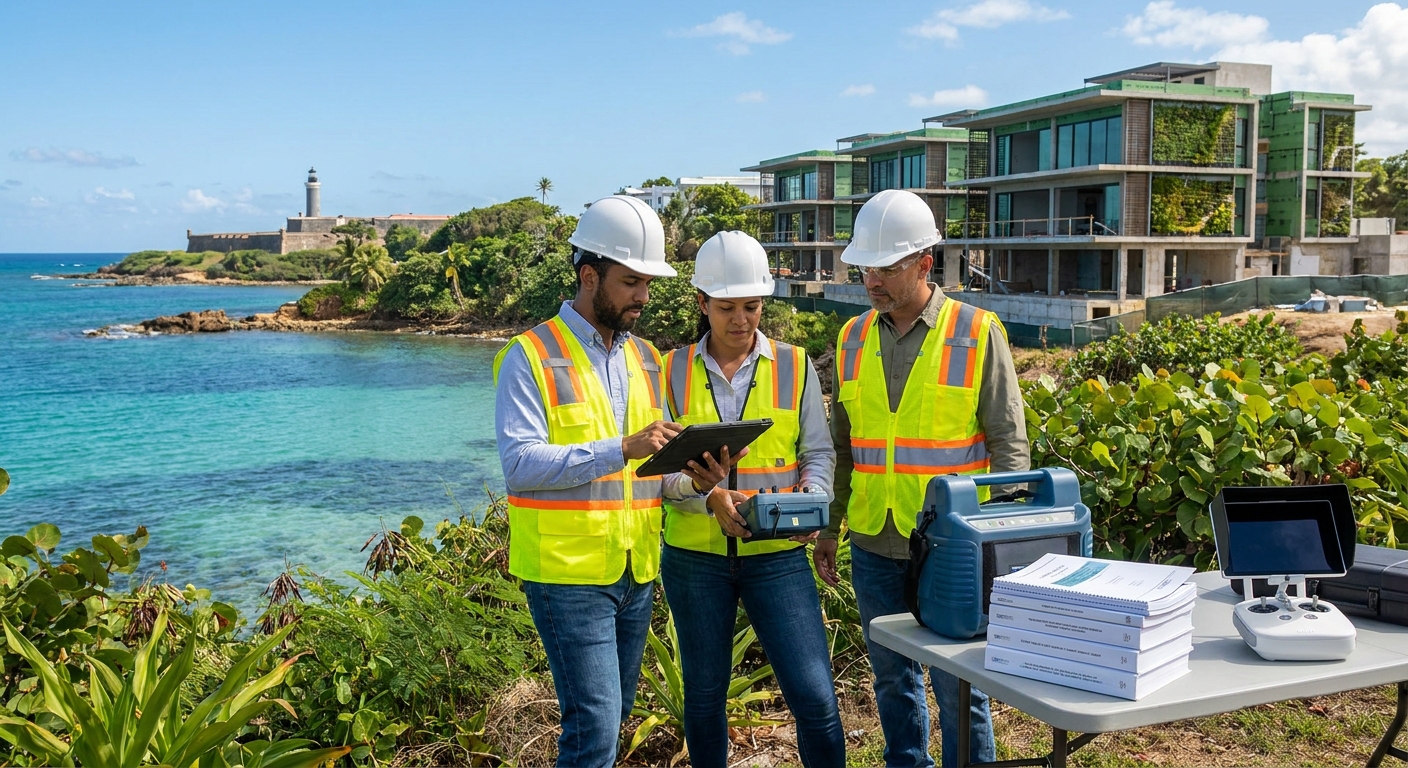

Why Environmental Due Diligence Matters in Puerto Rico Real Estate Transactions
Environmental contamination can cost you hundreds of thousands of dollars in remediation expenses, legal liability, and lost property value. When you purchase real estate in Puerto Rico, you inherit not only the land and structures but also any environmental liabilities attached to that property. A seller may not disclose contamination, previous industrial use, or hazardous materials present on the site. Environmental due diligence is the process that identifies these risks before you close the transaction.
Puerto Rico's unique geography, climate, and regulatory environment create specific environmental concerns that mainland properties do not face. The island's tropical climate accelerates certain types of degradation. Its history of industrial development, sugar production, and manufacturing has left environmental marks on many properties. Additionally, Puerto Rico operates under both federal environmental law and local regulations that impose strict liability for contamination, meaning you can be held responsible for conditions you did not create.
Skipping environmental due diligence is not a cost-saving measure. It is a financial risk that can transform a profitable investment into a liability. This guide explains what you need to know about environmental due diligence in Puerto Rico real estate transactions.
Understanding Environmental Liability in Puerto Rico
Puerto Rico follows the federal Comprehensive Environmental Response, Compensation, and Liability Act (CERCLA) framework, which means property owners can face strict liability for environmental contamination. Strict liability means you can be held responsible for cleanup costs even if you did not cause the contamination and did not know about it when you purchased the property.
The Puerto Rico Environmental Quality Board (Junta de Calidad Ambiental, or JCA) enforces environmental regulations on the island. The JCA has authority over air quality, water quality, hazardous waste, solid waste, and other environmental matters. Puerto Rico also has specific laws addressing petroleum contamination, underground storage tanks, and brownfield properties.
Property owners in Puerto Rico can face liability for:
- Soil contamination from historical industrial operations
- Groundwater contamination from leaking storage tanks or disposal practices
- Asbestos, lead paint, and other hazardous building materials
- Petroleum product spills and leaks
- Improper waste disposal on the property
- Mold and indoor air quality issues
- Coastal property issues including salt water intrusion and erosion
Understanding this liability framework is the first step in protecting yourself. Environmental due diligence identifies whether these conditions exist on a property before you purchase it, giving you the information you need to make an informed decision or renegotiate the purchase price.
Phase I Environmental Site Assessments
A Phase I Environmental Site Assessment (ESA) is the standard first step in environmental due diligence. This assessment involves a detailed review of the property's history, current conditions, and potential environmental risks. A Phase I ESA does not involve soil sampling or laboratory testing. Instead, it relies on historical research, site inspection, and interviews with current and former property owners and operators.
The Phase I ESA process includes:
- Historical property records review, including previous uses and ownership
- Review of regulatory databases and environmental records maintained by the JCA and federal agencies
- Aerial photograph analysis to identify changes in property use over time
- Site inspection by an environmental professional to observe current conditions
- Interviews with property owners, operators, and neighbors about historical uses
- Review of building permits, industrial permits, and other regulatory filings
The Phase I ESA concludes with a report that identifies recognized environmental conditions (RECs). A REC is evidence that a hazardous substance or petroleum product is present on the property or has been released into the environment. The report also identifies historical recognized environmental conditions (HRECs), which are past contamination that may or may not still pose a risk.
In Puerto Rico, Phase I ESAs must account for the island's specific environmental concerns. Coastal properties require assessment of salt water intrusion and storm surge risks. Properties in former agricultural areas need evaluation for pesticide and fertilizer residues. Industrial sites require thorough investigation of manufacturing processes and waste disposal practices.
Phase II Environmental Site Assessments and Soil Testing
If a Phase I ESA identifies recognized environmental conditions, a Phase II ESA becomes necessary. Phase II assessments involve actual sampling and laboratory analysis of soil, groundwater, and sometimes building materials. These tests determine whether contamination is present, what substances are involved, and how extensive the contamination is.
Phase II ESA work includes:
- Soil boring and sampling at locations identified as high-risk during Phase I
- Groundwater sampling from monitoring wells
- Laboratory analysis of samples for petroleum products, heavy metals, volatile organic compounds, and other contaminants
- Building material sampling for asbestos, lead paint, and other hazardous materials
- Analysis of results against Puerto Rico and federal environmental standards
Phase II assessments provide concrete data about contamination levels. This data allows you to understand the scope of any remediation that might be required and to estimate cleanup costs. In some cases, contamination levels may be below regulatory thresholds, meaning no remediation is required. In other cases, contamination may be extensive and expensive to address.
Puerto Rico's tropical climate and soil conditions can affect how contaminants behave in the environment. Groundwater in Puerto Rico is often shallow, which means contamination can spread quickly. Heavy rainfall can mobilize contaminants and carry them into groundwater or surface water. These factors make Phase II assessments particularly important in Puerto Rico.
Regulatory Compliance and Remediation Requirements
If environmental due diligence identifies contamination, you need to understand what remediation is required under Puerto Rico law. The JCA establishes cleanup standards for different types of contamination and different property uses. Residential properties have stricter cleanup standards than industrial properties. Commercial properties fall somewhere in between.
Puerto Rico offers a remedial action permit (RAP) process that allows property owners to remediate contamination under JCA oversight. The RAP process provides liability protection if you follow the approved remediation plan. This protection is important because it limits your future liability for the contamination you are addressing.
Remediation options vary depending on the type and extent of contamination:
- Excavation and off-site disposal of contaminated soil
- In-situ treatment of contaminated soil using chemical or biological methods
- Groundwater treatment and monitoring
- Capping or containment of contamination to prevent exposure
- Institutional controls such as deed notices that restrict future property use
Remediation costs can range from tens of thousands of dollars for minor contamination to millions of dollars for extensive industrial contamination. Understanding these costs before you purchase the property allows you to make an informed decision about whether the investment makes financial sense.
Coastal and Water-Related Environmental Issues
Puerto Rico's coastal properties face unique environmental challenges. Salt water intrusion occurs when ocean water moves into freshwater aquifers, contaminating groundwater supplies. This is a particular concern in low-lying coastal areas and on islands. Storm surge and flooding from hurricanes can cause significant environmental damage and contamination.
Coastal properties also fall under federal jurisdiction through the Clean Water Act and Coastal Zone Management Act. The Puerto Rico Department of Natural and Environmental Resources (DRNA) manages coastal resources and enforces restrictions on coastal development. Wetlands, mangrove forests, and coral reefs receive special protection.
Environmental due diligence for coastal properties must address:
- Flood risk and storm surge vulnerability
- Groundwater salinity and salt water intrusion risk
- Wetland or mangrove presence on or adjacent to the property
- Coastal erosion and shoreline stability
- Marine resource impacts from development or use
- Compliance with coastal zone management regulations
Climate change is increasing these risks. Sea levels are rising, and hurricane intensity is increasing. Properties that were safe from flooding ten years ago may face significant flood risk today. Environmental due diligence must account for current and projected future conditions.
Industrial and Commercial Property Considerations
Industrial and commercial properties in Puerto Rico often have complex environmental histories. Many properties have been used for manufacturing, petroleum storage, chemical processing, or other industrial activities. These uses create significant contamination risks.
Former sugar mills, refineries, and manufacturing facilities are common sources of environmental contamination in Puerto Rico. These properties may have soil contamination from spills, leaks, or disposal practices. Groundwater contamination is also common. Underground storage tanks that have leaked are a frequent source of petroleum contamination.
Environmental due diligence for industrial properties must be thorough and detailed. You need to understand not only what the property was used for but also how those operations were conducted. Poor waste management practices, inadequate spill containment, and improper disposal of hazardous materials create long-term contamination.
Puerto Rico's brownfield program provides incentives for remediating contaminated industrial properties. If you are considering purchasing a contaminated industrial property for redevelopment, understanding the brownfield program and available incentives is important. Remediation costs may be partially offset by tax benefits or other incentives.
Asbestos, Lead, and Other Hazardous Building Materials
Older buildings in Puerto Rico often contain asbestos, lead paint, and other hazardous materials. Asbestos was widely used in insulation, roofing materials, floor tiles, and other building components until the 1980s. Lead paint was standard in residential and commercial buildings until it was banned in the 1970s.
Environmental due diligence for buildings must include assessment of hazardous building materials. This assessment typically involves visual inspection and sampling of suspect materials. Laboratory analysis confirms the presence of asbestos or lead.
Hazardous building materials create liability in two ways. First, they pose health risks to occupants and workers. Second, they create disposal and remediation costs if the building is renovated or demolished. Puerto Rico regulations require proper handling and disposal of asbestos and lead-containing materials.
If you plan to renovate or demolish a building, you must budget for proper removal and disposal of hazardous materials. This can add significant cost to renovation projects. Environmental due diligence identifies these costs before you purchase the property.
Mold and Indoor Air Quality
Puerto Rico's tropical climate creates ideal conditions for mold growth. High humidity, warm temperatures, and frequent rainfall create moisture problems that lead to mold. Mold can cause health problems and can damage building materials.
Environmental due diligence should include assessment of mold and moisture conditions. This assessment involves visual inspection for signs of water damage, moisture, and mold growth. In some cases, air quality testing may be appropriate to measure mold spore levels.
Mold remediation can be expensive, particularly if mold has penetrated into walls, insulation, or structural materials. Moisture control is essential to prevent mold from returning. This may require improvements to drainage, ventilation, or building envelope integrity.
Properties with significant mold problems may require extensive remediation before they can be safely occupied. Understanding mold conditions before you purchase allows you to estimate remediation costs and make an informed decision.
Environmental Due Diligence and Real Estate Transactions
Environmental due diligence should be conducted early in the real estate transaction process. Ideally, you should commission a Phase I ESA before you make an offer on the property. This allows you to understand environmental risks before you commit to the purchase.
If environmental due diligence identifies significant contamination or other environmental issues, you have several options. You can renegotiate the purchase price to account for remediation costs. You can require the seller to remediate the contamination before closing. You can make the purchase contingent on obtaining a remedial action permit from the JCA. Or you can walk away from the transaction.
Environmental due diligence also protects you from liability after you purchase the property. If you conduct a Phase I ESA and it does not identify a recognized environmental condition, you may be able to claim innocent landowner status under federal law. This status provides some protection from liability for pre-existing contamination that you did not cause.
Documentation is important. Keep all environmental reports, Phase I and Phase II ESA reports, remediation permits, and remediation records. This documentation demonstrates that you conducted appropriate due diligence and followed regulatory requirements.
Working with Environmental Professionals
Environmental due diligence requires working with qualified environmental professionals. Environmental site assessments should be conducted by professionals with experience in Puerto Rico's specific environmental conditions. These professionals understand the island's geology, climate, regulatory environment, and common contamination sources.
When selecting an environmental consultant, look for professionals with Puerto Rico experience. They should be familiar with JCA regulations and procedures. They should understand the specific environmental risks associated with different property types and locations on the island.
Your real estate attorney should also be involved in environmental due diligence. Your attorney can review environmental reports, advise you on regulatory compliance, and help you structure the transaction to protect your interests. Your attorney can also advise you on liability issues and help you understand your options if contamination is identified.
Environmental Due Diligence and Investment Decisions
Environmental due diligence is a critical component of real estate investment analysis. Contamination can significantly reduce property value and create unexpected costs. Conversely, properties with clean environmental records are more valuable and easier to finance and sell.
If you are considering a property investment in Puerto Rico, environmental due diligence should be part of your analysis. The cost of conducting a Phase I ESA is typically between $1,500 and $3,000, depending on property size and complexity. This is a small investment compared to the potential cost of environmental contamination.
Environmental due diligence also affects financing. Lenders often require Phase I ESAs before they will finance commercial or industrial properties. Some lenders require Phase II assessments if Phase I assessments identify recognized environmental conditions. Understanding environmental conditions helps you secure financing on favorable terms.
Next Steps: Protecting Your Puerto Rico Real Estate Investment
Environmental due diligence is not optional in Puerto Rico real estate transactions. It is a necessary step to protect your investment and understand your potential liabilities. If you are considering purchasing real estate in Puerto Rico, you should commission a Phase I Environmental Site Assessment before you finalize your purchase.
The Puerto Rico Business Law Firm can help you understand environmental issues in your real estate transaction. Christian M. Frank Fas, Esq. has over 20 years of experience in commercial and business law in Puerto Rico, including real estate transactions and environmental compliance matters. We can review environmental reports, advise you on regulatory compliance, and help you structure your transaction to protect your interests.
Contact the Puerto Rico Business Law Firm for a free initial evaluation of your real estate transaction. We will discuss your property, identify potential environmental concerns, and explain your options for protecting your investment.