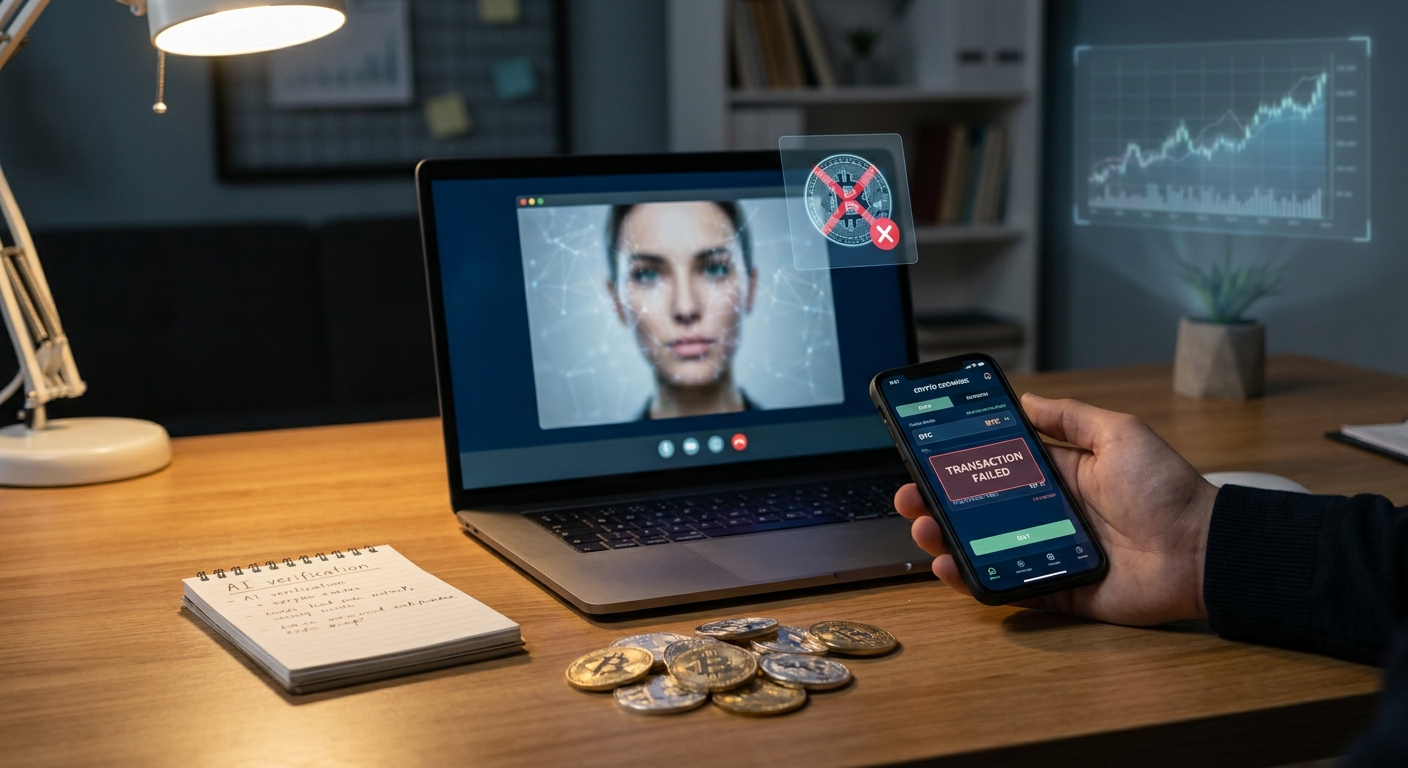

Deepfake technology combined with cryptocurrency creates one of the fastest-growing fraud schemes targeting investors, business owners, and high-net-worth individuals. Scammers use artificial intelligence to impersonate trusted figures, create fake video endorsements, and build fraudulent investment platforms that appear legitimate. The damage is immediate and often irreversible. Money sent to blockchain addresses cannot be recovered through traditional banking channels, and victims frequently discover the fraud only after substantial losses occur.
If you have been targeted by a deepfake crypto scam or suspect fraudulent activity involving cryptocurrency, you need to understand your legal options and the steps required to document the crime. This article explains how these scams operate, the legal framework that applies, and what you should do immediately if you have been victimized.
How Deepfake Crypto Scams Work
Deepfake technology uses machine learning algorithms to create synthetic media that appears authentic. In crypto scams, criminals apply this technology in several specific ways:
- Video impersonation: Scammers create fake videos of celebrities, business leaders, or financial personalities endorsing a cryptocurrency or investment opportunity. The video appears genuine because the facial movements, voice, and expressions match the real person.
- Audio cloning: Criminals record or synthesize the voice of a trusted individual and use it in phone calls, voice messages, or video content to build credibility.
- Social media profile spoofing: Fraudsters create accounts that closely mimic legitimate profiles of known figures, then use deepfake content to promote fake investment schemes.
- Email and messaging impersonation: Scammers send communications that appear to come from established cryptocurrency exchanges, financial advisors, or business associates, often including deepfake video attachments or links to fraudulent websites.
The scam typically follows a predictable pattern. First, the victim receives contact through social media, email, or messaging apps. The communication includes a deepfake video or audio clip that appears to show a well-known figure promoting a cryptocurrency investment or trading opportunity. The promised returns are often unrealistic, ranging from 50% to 500% within weeks or months.
The victim is then directed to a fake website or mobile application that mimics a legitimate cryptocurrency exchange. The interface looks professional and functions like a real trading platform. The victim deposits money, which is converted to cryptocurrency and transferred to a wallet controlled by the scammers. Once the transfer is complete, the fake platform becomes inaccessible, the scammers disappear, and the victim's money is gone.
Why Deepfakes Make These Scams More Effective
Traditional crypto scams rely on text-based deception or low-quality video content that savvy investors can identify as fake. Deepfake technology removes this barrier. High-quality synthetic video and audio are difficult to distinguish from authentic content, even for people trained to spot fraud.
The psychological impact of seeing a trusted figure appear to endorse an investment is powerful. When a celebrity or financial personality seems to personally recommend a cryptocurrency, victims lower their guard. The deepfake creates a false sense of legitimacy that text alone cannot achieve. This is particularly effective when the scammers target specific demographics, such as retirees seeking higher returns or young investors interested in emerging technologies.
Deepfakes also make it harder for law enforcement to respond quickly. By the time a victim realizes the video is fake, the scammers have already moved the cryptocurrency through multiple wallets and exchanges. The distributed nature of blockchain technology means that tracing the funds requires cooperation from multiple cryptocurrency platforms and potentially international law enforcement agencies.
Common Targets and Vulnerable Populations
Deepfake crypto scams target specific groups based on their likelihood to invest and their access to capital. High-net-worth individuals are frequent targets because they have substantial funds available and may be less familiar with cryptocurrency technology. Business owners are also vulnerable, particularly those seeking alternative investments or ways to diversify their portfolios.
Retirees represent another significant target group. Scammers know that people in retirement often seek higher returns to supplement fixed incomes. The promise of 100% or 200% annual returns appeals to investors frustrated by low interest rates on traditional savings accounts.
Professionals in specific industries, such as technology, finance, and real estate, are targeted with deepfakes featuring industry-specific figures or celebrities known to be interested in cryptocurrency. The scammers research their targets and customize the deepfake content to match the victim's interests and professional background.
Social media users who follow cryptocurrency accounts or engage with investment content are also at higher risk. Scammers use algorithmic targeting to identify and reach these individuals with deepfake content designed to appear in their feeds as sponsored posts or recommendations from accounts they follow.
Legal Framework and Regulatory Response
Deepfake crypto scams involve multiple layers of criminal activity, each subject to different laws. Wire fraud statutes apply when scammers use electronic communications to deceive victims. Securities fraud laws apply when the scam involves false claims about investment returns or the nature of the investment itself. Identity theft laws apply when scammers use deepfakes to impersonate specific individuals without authorization.
In Puerto Rico, businesses and individuals are subject to both local and federal law. Federal law provides the primary framework for prosecuting cryptocurrency fraud and identity theft. The FBI, the Secret Service, and the Cybercrime Division of the Department of Justice all have jurisdiction over these cases. State and local law enforcement agencies also investigate deepfake scams, particularly when the victim is a local resident or business.
The regulatory landscape for cryptocurrency continues to evolve. The Securities and Exchange Commission (SEC) has taken action against fraudulent cryptocurrency schemes and has issued guidance on how deepfake technology can be used to commit securities fraud. The Financial Crimes Enforcement Network (FinCEN) requires cryptocurrency exchanges to implement know-your-customer (KYC) procedures and report suspicious transactions. These regulations create a paper trail that law enforcement can use to trace stolen funds.
However, regulatory enforcement moves slowly. By the time regulators identify a fraudulent scheme, the scammers have often moved the money through multiple exchanges and converted it to other cryptocurrencies or fiat currency. This is why immediate action by the victim is critical.
Immediate Steps to Take If You Have Been Victimized
If you have sent money to a deepfake crypto scam, time is essential. The first 24 to 48 hours are critical for potentially freezing accounts and preventing further transfers.
Contact your bank or financial institution immediately. Provide them with all details about the transaction, including the date, amount, and the wallet address or exchange where the money was sent. Your bank may be able to place a hold on the transaction if it has not yet cleared, though this is unlikely if cryptocurrency was already purchased and transferred.
Report the fraud to the FBI's Internet Crime Complaint Center (IC3) at ic3.gov. Provide detailed information about how you were contacted, the deepfake content you received, the website or platform you used, and the cryptocurrency wallet address where your money was sent. The IC3 compiles data on fraud schemes and shares information with law enforcement agencies.
File a report with your state's attorney general's office and the Federal Trade Commission (FTC) at reportfraud.ftc.gov. These agencies track fraud patterns and may be able to identify other victims or ongoing schemes.
Preserve all evidence. Save screenshots of the deepfake video or audio, the fake website, all email communications, and any messages from the scammers. Do not delete anything, even if it is embarrassing or makes you feel foolish. This evidence is essential for law enforcement investigation and any potential civil litigation.
Document the blockchain transaction. Record the wallet address where your cryptocurrency was sent, the transaction hash (a unique identifier for the transaction), and the amount transferred. This information is permanently recorded on the blockchain and can be used to trace the movement of funds.
Consider hiring an experienced attorney who focuses on cryptocurrency fraud and commercial litigation. An attorney can help you understand your legal options, file reports with the appropriate agencies, and potentially pursue civil recovery if the scammers can be identified and located.
Civil Recovery Options
Criminal prosecution of deepfake crypto scams is difficult because the scammers are often located outside the United States and operate through anonymous cryptocurrency wallets. However, civil litigation may be possible if you can identify the individuals or entities responsible for the fraud.
Civil fraud claims require proof that the defendant made a false statement, knew it was false or acted with reckless disregard for its truth, intended for you to rely on the statement, and that you suffered damages as a result. In deepfake scams, the false statement is the claim that a particular investment opportunity is legitimate and endorsed by a known figure. The deepfake video or audio is evidence of the false statement.
If the scammers used a business entity to operate the fake exchange or investment platform, you may be able to sue that entity for fraud. You may also be able to pursue claims against the cryptocurrency exchange where the scammers converted your money to other cryptocurrencies, if that exchange failed to implement adequate anti-fraud measures.
Recovery of funds through civil litigation is challenging because the money has likely been moved through multiple wallets and exchanges. However, if the scammers made a mistake and left a traceable connection to a bank account, business entity, or personal identity, civil litigation can be used to obtain a judgment that may be enforceable against their assets.
In some cases, victims have been able to recover funds by working with cryptocurrency forensics firms that specialize in tracing blockchain transactions. These firms can follow the movement of cryptocurrency through multiple wallets and exchanges and identify where the money ultimately went. This information can be used to support both criminal and civil claims.
Protecting Yourself from Deepfake Crypto Scams
Prevention is far more effective than recovery. Several practical steps can significantly reduce your risk of becoming a victim.
Be skeptical of unsolicited investment opportunities, particularly those that promise unusually high returns. If a celebrity or well-known figure is promoting an investment opportunity through social media or email, verify the communication directly with that person or their official representatives. Do not click links in unsolicited messages. Instead, go directly to the official website of the company or exchange.
Verify video and audio content. If you receive a video of a celebrity endorsing an investment, check the celebrity's official social media accounts and website to see if they have actually made this endorsement. Contact their management or publicist directly if you have questions.
Use only established, regulated cryptocurrency exchanges. Coinbase, Kraken, and Gemini are examples of exchanges that are registered with the SEC and implement robust anti-fraud measures. Avoid exchanges that are not well-known or that have limited regulatory oversight.
Enable two-factor authentication on all financial accounts and cryptocurrency wallets. This adds an extra layer of security that makes it harder for scammers to access your accounts even if they obtain your password.
Educate yourself about cryptocurrency technology and how scams operate. The more you understand about blockchain, cryptocurrency wallets, and common fraud schemes, the better equipped you are to identify red flags.
Be cautious about sharing personal information online. Scammers use personal details to customize deepfake content and make it more convincing. Limit the amount of personal information you share on social media and be careful about who you communicate with online.
The Role of Blockchain Compliance and Regulatory Oversight
Cryptocurrency exchanges and blockchain platforms have a responsibility to implement compliance measures that prevent fraud. Know-your-customer (KYC) procedures require exchanges to verify the identity of users and monitor transactions for suspicious activity. Anti-money laundering (AML) programs require exchanges to report transactions that may be related to criminal activity.
These compliance measures create a record that law enforcement can use to trace stolen funds and identify scammers. However, compliance is only effective if exchanges implement it properly and cooperate with law enforcement investigations. Some exchanges, particularly those operating in jurisdictions with weak regulatory oversight, do not implement adequate compliance measures.
If you are considering investing in cryptocurrency or using a cryptocurrency exchange, research the exchange's compliance record and regulatory status. Exchanges that are registered with the SEC and subject to regular audits are generally safer than unregulated platforms. For more information about blockchain compliance and regulatory requirements, see our blockchain compliance page.
Reporting and Investigation Process
Once you have reported the fraud to law enforcement and preserved evidence, you should understand what happens next. The FBI and other federal agencies receive thousands of fraud complaints each year. Your case will be assigned a case number and added to a database. If your case matches a pattern of similar frauds, it may be prioritized for investigation.
Law enforcement will attempt to identify the scammers by tracing the cryptocurrency transactions, analyzing the deepfake content to determine its origin, and investigating the fake website or platform. This process can take months or years. In many cases, the scammers are located outside the United States, which complicates the investigation and makes prosecution difficult.
You should expect to be contacted by law enforcement if they need additional information or want to discuss the investigation. Cooperate fully with investigators and provide any additional evidence or information they request. Do not attempt to contact the scammers or take any action on your own, as this could interfere with the investigation.
Next Steps
If you have been victimized by a deepfake crypto scam or suspect that you are being targeted by fraudsters, you need experienced legal guidance immediately. Christian M. Frank Fas, Esq. has over 20 years of experience in commercial and business law, including cryptocurrency fraud and commercial litigation. The firm can help you understand your legal options, file reports with the appropriate agencies, and pursue recovery of your funds.
Contact the firm for a free initial evaluation. During this evaluation, you can discuss the details of your situation, learn about your legal rights, and understand what steps should be taken next. Visit lawyerinpr.com/start to schedule your free initial evaluation today.