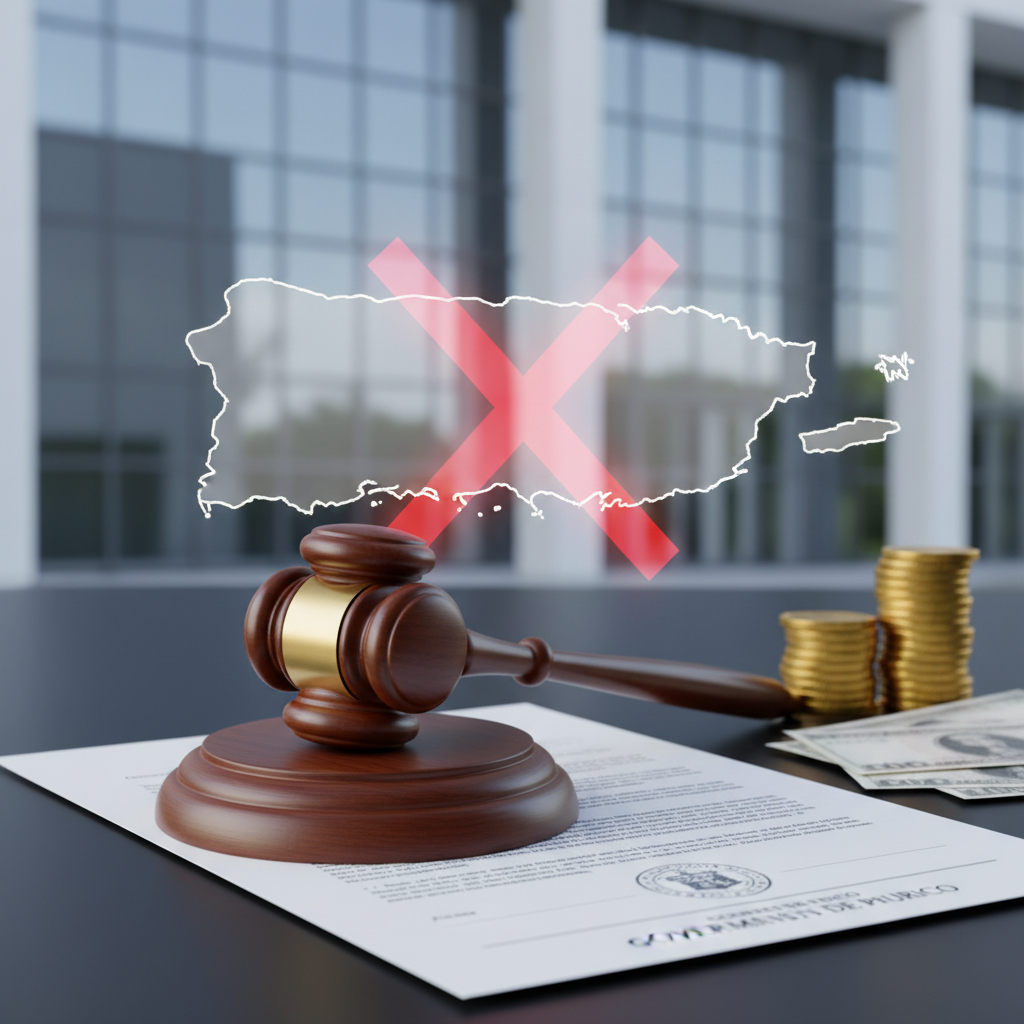

Understanding Debarment in Puerto Rico’s Government Contracting
When doing business with the government in Puerto Rico, knowing the rules around debarment is essential. Debarment is a process that prevents certain companies or individuals from participating in government contracts. It acts as a safeguard to ensure that only responsible and compliant entities work with public agencies. For entrepreneurs and investors, understanding how debarment works can help avoid costly disruptions and maintain good standing in the public sector.
What Triggers Debarment?
Debarment can be triggered by various actions or behaviors. Common reasons include fraud, corruption, failure to perform contractual obligations, or violations of laws related to procurement. In Puerto Rico, authorities take these violations seriously to protect public resources and ensure fair competition. If a contractor is found guilty of misconduct, they may face a formal debarment process that can last for several years.
How Does the Debarment Process Work?
The process begins when a government agency identifies a potential violation. The contractor is usually notified and given an opportunity to respond. An investigation follows, and if the findings support debarment, a formal notice is issued. The contractor then has the chance to appeal or contest the decision. Throughout this process, transparency and fairness are maintained to ensure that debarment is justified and not arbitrary.
Who Is Affected by Debarment?
Debarment applies to companies, sole proprietors, and individuals involved in government contracting. Once debarred, these entities are barred from bidding on or being awarded new contracts for a specified period. This restriction can significantly impact a business’s ability to operate within the public sector, making it vital to understand the rules and maintain compliance.
How Can Businesses Avoid Debarment?
Preventing debarment starts with strict adherence to laws, regulations, and contractual obligations. Maintaining accurate records, conducting internal audits, and fostering a culture of integrity are key steps. If issues arise, addressing them promptly and transparently can mitigate risks. For companies operating in Puerto Rico, working with legal professionals focused on government contracting can help ensure compliance and avoid the pitfalls that lead to debarment.