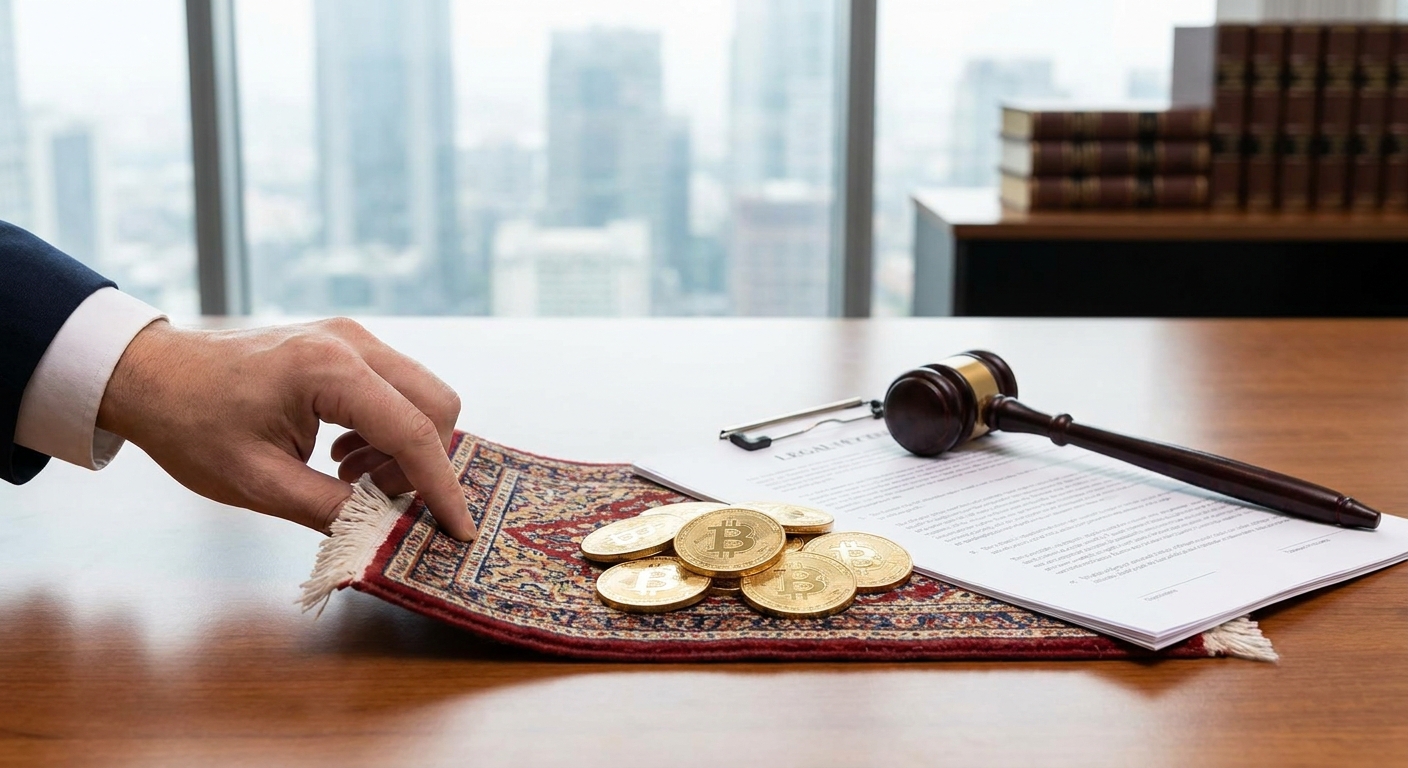

Crypto Rug Pull Lawsuits: What Victims Need to Know
If you invested in a cryptocurrency project that suddenly collapsed, with founders disappearing and your money gone, you may have been the victim of a rug pull. A rug pull is a form of fraud where developers or promoters of a cryptocurrency project abandon the initiative after collecting investor funds, leaving participants with worthless tokens and no recourse. Unlike market downturns or failed business ventures, rug pulls are deliberate theft. Understanding your legal options is the first step toward recovering losses and holding bad actors accountable.
What Constitutes a Crypto Rug Pull
A rug pull occurs when the creators of a cryptocurrency project, decentralized finance (DeFi) protocol, or token offering intentionally defraud investors by taking their money and disappearing. The term comes from the phrase "pulling the rug out from under someone," which describes the sudden removal of support or legitimacy.
Rug pulls take several forms. In a liquidity pull, developers remove all funds from a liquidity pool, making it impossible for investors to sell their tokens. In a slow rug pull, founders gradually transfer funds to their own wallets while maintaining the appearance of a functioning project. In a hard rug pull, the project website disappears overnight, social media accounts are deleted, and all communication ceases. Some rug pulls involve false promises about upcoming features, partnerships, or exchange listings that never materialize.
The common thread in all rug pulls is intentional deception. The founders knew from the start that they had no intention of building a legitimate project. They created marketing materials, whitepapers, and social media presence solely to attract investment. Once sufficient funds were collected, they executed their exit strategy.
Rug pulls differ from other cryptocurrency losses. If you bought a token that declined in value due to market conditions or poor management, that is not a rug pull. If a project fails despite good-faith efforts by the team, that is a business failure, not fraud. Rug pulls are criminal schemes designed to steal money.
Why Rug Pulls Are Common in Cryptocurrency Markets
Cryptocurrency markets present conditions that make rug pulls possible and relatively common. The blockchain industry operates with minimal regulatory oversight compared to traditional securities markets. Many cryptocurrency projects launch without the disclosure requirements, registration processes, or investor protections that apply to stocks and bonds.
Anonymity compounds the problem. Cryptocurrency transactions can be conducted pseudonymously, making it difficult to identify and locate perpetrators. Founders can operate under false names, use VPNs to mask their location, and move stolen funds through multiple wallets and exchanges before converting them to fiat currency.
The speed of cryptocurrency transactions creates additional challenges. Once a rug pull occurs, funds can be moved across borders and through multiple exchanges within minutes. Traditional law enforcement and civil litigation processes move far more slowly than blockchain transactions.
Investor inexperience also plays a role. Many people new to cryptocurrency lack the knowledge to evaluate projects critically. They may not understand the difference between a legitimate token offering and a scam. Marketing hype, celebrity endorsements, and social media promotion can create false confidence in projects with no real substance.
The decentralized nature of many cryptocurrency projects means there is no central authority responsible for investor protection. Unlike a company with a board of directors and corporate governance structures, a DeFi protocol may have anonymous developers with no accountability mechanism.
Legal Grounds for Rug Pull Lawsuits
Rug pull victims have several potential legal claims available. The specific claims depend on the facts of the case, the jurisdiction where the lawsuit is filed, and the nature of the fraud.
Securities fraud is a primary claim in many rug pull cases. If the cryptocurrency token qualifies as a security under applicable law, the project may have violated securities regulations by offering unregistered securities or making false statements to investors. Securities fraud claims can be brought under federal law, state law, or both. Successful securities fraud claims can result in damages, disgorgement of ill-gotten gains, and civil penalties.
Wire fraud is another common claim. If the perpetrators used electronic communications, email, social media, or other wire-based methods to promote the project or solicit investments, they may have committed wire fraud. Wire fraud is a federal crime, and victims can bring civil claims under the wire fraud statute to recover damages.
Theft and conversion claims apply when someone takes property belonging to another without permission and without legal right. In the context of a rug pull, the founders converted investor funds to their own use. Conversion claims can be brought in civil court to recover the value of the stolen funds.
Breach of contract claims may apply if the project issued a whitepaper or terms of service that constituted a binding agreement with investors. If the founders failed to perform their obligations under that agreement, investors may have a breach of contract claim.
Unjust enrichment claims assert that the defendants received a benefit at the expense of the plaintiffs without legal justification. The defendants were enriched by the stolen funds, and the plaintiffs were impoverished. Unjust enrichment claims do not require a formal contract and can apply even when other claims fail.
Consumer protection statutes in many states prohibit unfair and deceptive practices. If the rug pull involved false advertising, misrepresentation, or other deceptive conduct, state consumer protection laws may provide a basis for claims and recovery.
Challenges in Pursuing Rug Pull Litigation
Rug pull lawsuits present significant obstacles that differ from traditional commercial litigation. Understanding these challenges helps victims assess the realistic prospects for recovery.
Identifying the perpetrators is often the first hurdle. Founders may operate under pseudonyms or use shell companies to obscure their identities. Tracing the true identity of a blockchain address or cryptocurrency wallet requires technical expertise and cooperation from exchanges and service providers. Some perpetrators operate from jurisdictions with weak law enforcement or limited cooperation with U.S. authorities.
Locating assets presents another major challenge. Even if the perpetrators are identified, the stolen funds may have been moved through multiple wallets, converted to different cryptocurrencies, or transferred to fiat currency accounts in foreign banks. Tracing the flow of funds across the blockchain and through various exchanges requires specialized knowledge and can be time-consuming and expensive.
Jurisdictional issues complicate litigation. If the perpetrators are located outside the United States, obtaining personal jurisdiction over them may be impossible. Even if a U.S. court enters a judgment against foreign defendants, enforcing that judgment in their home country can be extremely difficult. Some countries do not recognize U.S. judgments or have limited mechanisms for enforcing them.
Proving damages can be complex. Victims must establish the amount they invested and the value they lost. If the token had any trading history, determining the appropriate valuation date and methodology requires careful analysis. Some victims may have purchased tokens at different prices over time, complicating damage calculations.
The regulatory status of the token affects the legal claims available. If the token does not qualify as a security, securities fraud claims will not apply. If the token is not regulated as a commodity, commodity fraud claims may not be available. The classification of a particular token is often unclear and may be subject to dispute.
Statute of limitations issues can bar claims if too much time has passed since the rug pull occurred. Different claims have different limitations periods, and the clock may start running at different times depending on when the victim discovered or should have discovered the fraud.
Steps to Take If You Are a Rug Pull Victim
If you believe you have been victimized by a rug pull, taking prompt action increases the likelihood of recovery and preserves evidence.
Document everything related to your investment. Collect copies of all communications with the project team, including emails, social media messages, and chat room discussions. Save screenshots of the project website, whitepaper, and marketing materials. Record the dates and amounts of all transactions, including the wallet addresses involved. Preserve records of the token's price history and any statements made by the founders about the project's future.
Report the fraud to law enforcement. File a complaint with the Federal Bureau of Investigation's Internet Crime Complaint Center (IC3). Contact your state's attorney general office and securities regulator. Report the fraud to the cryptocurrency exchange where you purchased the tokens. These reports create an official record and may trigger investigations that benefit other victims as well.
Consult with an experienced attorney who focuses on cryptocurrency fraud and commercial litigation. An attorney can evaluate the specific facts of your case, identify applicable legal claims, assess the likelihood of recovery, and explain the costs and timeline involved in pursuing litigation. Early consultation allows an attorney to take steps to preserve evidence and identify potential defendants before the trail grows cold.
Do not attempt to recover funds on your own or engage with the perpetrators. Scammers often use follow-up schemes to target rug pull victims, offering to recover their funds for an upfront fee. These recovery scams compound the original loss. Let an attorney handle all communications with potential defendants.
Litigation Strategy in Rug Pull Cases
Successful rug pull litigation requires a focused strategy tailored to the specific circumstances of the case.
Identifying all potential defendants is critical. The visible founders may not be the only parties responsible. Promoters who marketed the project, exchanges that listed the token, and service providers who facilitated the fraud may share liability. Investigating the full scope of the scheme helps maximize recovery potential.
Tracing the flow of funds is essential. Blockchain analysis can track the movement of stolen cryptocurrency from the project wallet through various addresses and exchanges. This forensic work establishes the chain of custody and may identify where the funds currently reside. If funds are held in identifiable accounts, they may be subject to attachment or freezing pending judgment.
Pursuing claims in multiple jurisdictions may be necessary. If the perpetrators are located in different countries or if stolen funds are held in different jurisdictions, filing lawsuits in multiple venues increases the likelihood of obtaining a judgment that can be enforced. Some jurisdictions have more favorable laws for cryptocurrency fraud victims or more effective enforcement mechanisms.
Seeking preliminary injunctive relief can prevent defendants from moving or dissipating assets while the case proceeds. A court may freeze cryptocurrency wallets or bank accounts to preserve funds for potential recovery. This requires demonstrating a likelihood of success on the merits and irreparable harm if the funds are not frozen.
Class action litigation may be appropriate if many investors were victimized by the same rug pull. A class action consolidates claims from multiple victims, reduces litigation costs per person, and increases pressure on defendants to settle. Class actions also ensure that all victims are treated fairly and that any recovery is distributed equitably.
Regulatory and Compliance Considerations
The regulatory landscape for cryptocurrency continues to evolve. Understanding current regulations helps identify additional claims and remedies available to rug pull victims. For businesses operating in Puerto Rico, blockchain compliance requirements and tax incentives under Act 60 may create additional obligations and opportunities. Victims should be aware that regulatory violations by the project may strengthen their legal claims.
The Securities and Exchange Commission (SEC) has taken the position that many cryptocurrency tokens qualify as securities and therefore must comply with federal securities laws. If a rug pull involved an unregistered securities offering, victims may have claims under Section 10(b) of the Securities Exchange Act and SEC Rule 10b-5, which prohibit fraudulent conduct in connection with the purchase or sale of securities.
The Commodity Futures Trading Commission (CFTC) regulates cryptocurrency derivatives and has brought enforcement actions against platforms offering unregistered derivatives trading. If a rug pull involved derivatives or leveraged trading products, CFTC regulations may apply.
State money transmitter laws may apply to exchanges and platforms that facilitate the rug pull. If these entities failed to comply with licensing requirements or anti-fraud provisions, they may be liable to victims.
Recovery Options and Realistic Expectations
Rug pull victims should understand the realistic prospects for recovery before committing time and resources to litigation.
Full recovery is possible but not guaranteed. If the perpetrators are identified, located, and have sufficient assets, a judgment can be obtained and enforced. However, many rug pull perpetrators operate from jurisdictions where enforcement is difficult, and they may have already spent or hidden the stolen funds.
Partial recovery is more common than full recovery. If some of the stolen funds can be traced and recovered, victims may receive a percentage of their losses. The percentage depends on the total amount stolen, the amount recovered, and the number of victims sharing in the recovery.
Settlement negotiations may result in recovery without the need for a full trial. If defendants have identifiable assets or insurance coverage, they may be willing to settle to avoid the costs and risks of litigation. Settlement amounts are typically less than the full amount claimed but provide faster and more certain recovery than trial.
No recovery is possible in some cases. If the perpetrators cannot be located, if they have no identifiable assets, or if they are judgment-proof, litigation may not result in any monetary recovery. In these situations, the primary value of litigation may be establishing a public record of the fraud and deterring future misconduct by the same perpetrators.
Litigation costs must be considered when evaluating recovery prospects. Attorney fees, expert witness fees, blockchain analysis costs, and court costs can be substantial. Victims should discuss fee arrangements with their attorney, including contingency fee options where the attorney's compensation depends on recovery.
Next Steps
If you have been victimized by a cryptocurrency rug pull, time is critical. Evidence can disappear, perpetrators can relocate, and stolen funds can be moved beyond recovery. The sooner you take action, the better your prospects for recovery.
Contact the Puerto Rico Business Law Firm for a free initial evaluation of your rug pull claim. Christian M. Frank Fas, Esq., brings over 20 years of commercial and business law experience to cryptocurrency fraud cases. During your free evaluation, we will review the facts of your case, explain your legal options, and discuss the realistic prospects for recovery. Visit lawyerinpr.com/start to schedule your free initial evaluation today. We also handle commercial litigation matters across Puerto Rico and can represent you in court or settlement negotiations.