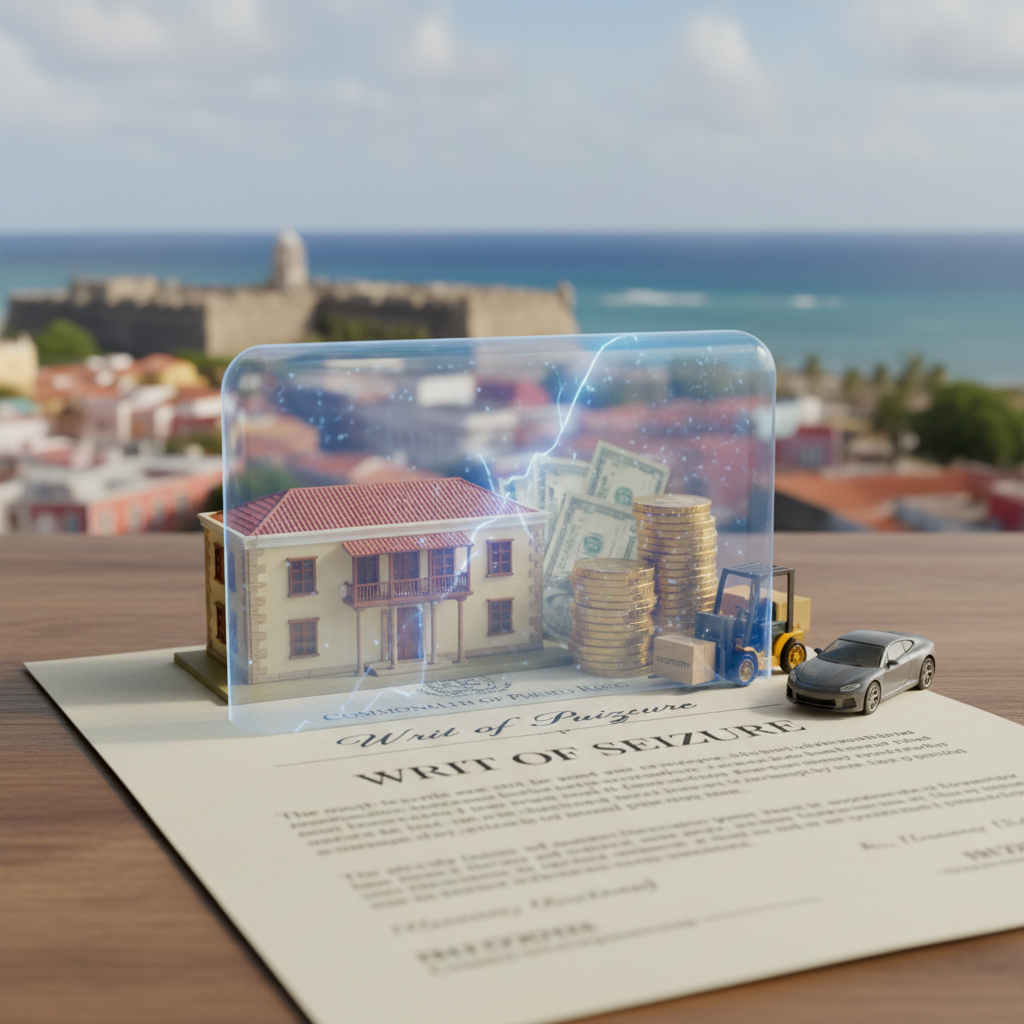

Understanding Asset Seizure in Puerto Rico
Asset seizure is a process that can happen when authorities take control of property or assets due to legal actions, unpaid debts, or violations of laws. For entrepreneurs and investors doing business in Puerto Rico, knowing how this process unfolds is essential to protect your investments and understand your rights.
What Triggers Asset Seizure?
In Puerto Rico, assets can be seized for various reasons, including unpaid taxes, debts, or legal judgments. When a creditor or government agency believes that a business or individual owes money or has violated laws, they may initiate a seizure process to recover what is owed.
The Seizure Process Step-by-Step
- Legal Notice: The process begins with a formal notice to the property owner or business. This notice explains the reason for seizure and the amount owed.
- Judicial Action: Usually, a court order is required before assets can be seized. The creditor or government agency files a legal claim, and the court reviews the case.
- Writ of Seizure: If the court rules in favor of the claimant, a writ of seizure is issued. This document authorizes authorities to take control of specific assets.
- Asset Seizure: Law enforcement or authorized agents then seize the assets listed in the writ. This can include bank accounts, property, equipment, or inventory.
- Notification and Sale: Once assets are seized, they are often sold at auction or through other means to satisfy the debt or obligation.
What Assets Can Be Seized?
In Puerto Rico, the law allows for the seizure of various assets, including:
- Real estate properties
- Bank accounts and cash
- Business equipment and inventory
- Vehicles and transportation assets
- Intellectual property rights, in some cases
Protection Measures for Business Owners
While asset seizure is a legal process, there are steps business owners can take to protect their assets:
- Maintain Accurate Records: Keep detailed records of all assets and transactions.
- Legal Compliance: Ensure all taxes and legal obligations are met promptly.
- Asset Planning: Structure your business and assets strategically, possibly through legal entities or trusts.
- Seek Focused Legal Advice: Regular consultations with focused legal professionals can help identify vulnerabilities before issues arise.
What Happens After Assets Are Seized?
Once assets are seized, they are typically sold to satisfy the debt. If the sale exceeds what is owed, the surplus may be returned to the owner. Conversely, if the sale does not cover the full amount, additional legal steps may be necessary to recover the remaining debt.
Final Thoughts
Understanding the asset seizure process in Puerto Rico helps business owners and investors stay prepared. While the process is structured and governed by law, proactive management and legal awareness are key to safeguarding your assets and maintaining business stability.