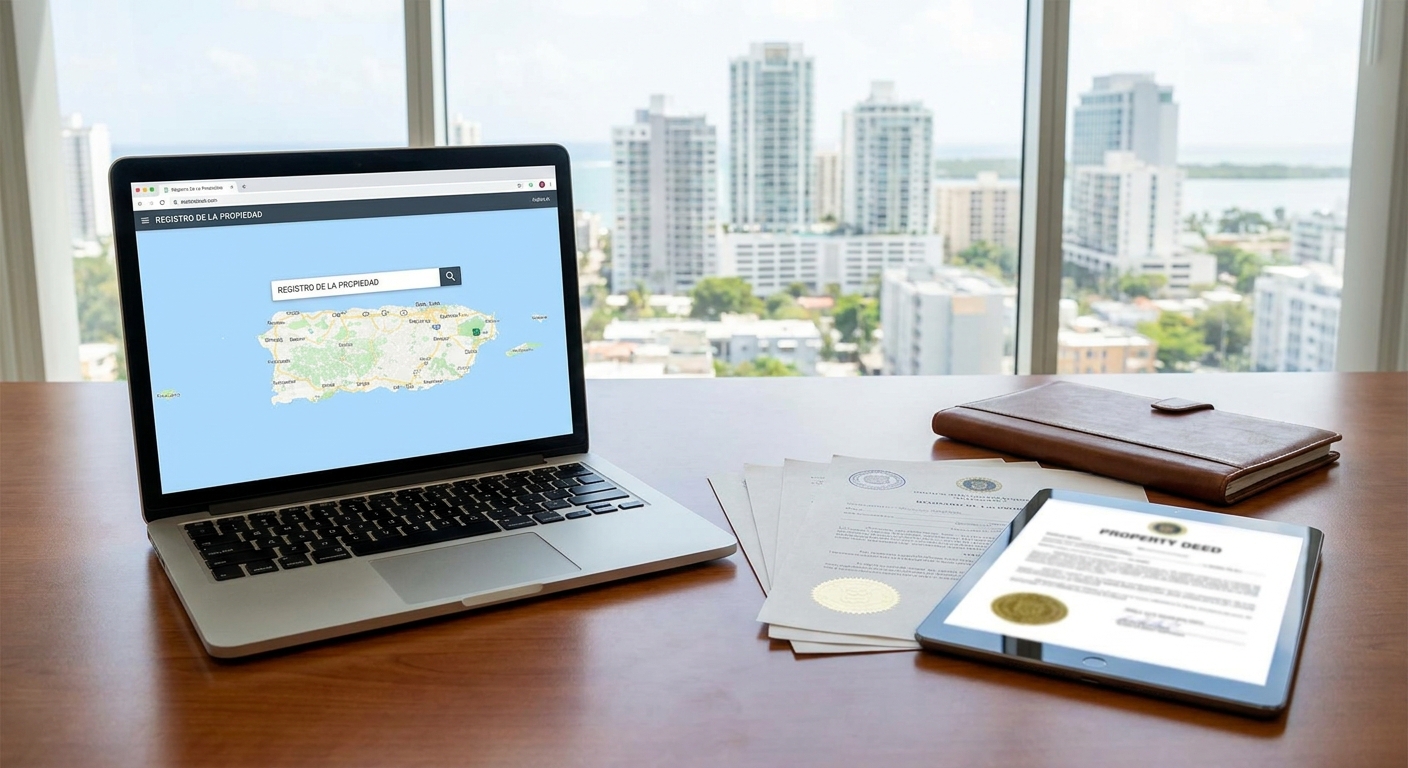

Understanding the Puerto Rico Property Registry System
The Puerto Rico property registry system is the official record-keeping mechanism that documents all real property ownership, liens, mortgages, and encumbrances across the island. If you own property in Puerto Rico, conduct business here, or plan to invest in real estate, you need to understand how this system functions. The registry is not optional background information. It is the legal foundation that determines who owns what, what claims exist against that property, and what rights you actually possess.
Puerto Rico's property registry operates under a Torrens-style system, which differs from the deed recording systems used in most U.S. states. This means the registry does not simply record documents. Instead, it maintains a title certificate that represents the official state of ownership and all encumbrances. The distinction matters significantly for property transactions, financing, and dispute resolution.
For business owners, investors, and anyone holding property interests in Puerto Rico, the registry system directly affects your ability to sell property, secure financing, resolve boundary disputes, and protect your assets. Misunderstanding how the system works can lead to costly delays, failed transactions, and legal complications that could have been prevented.
The Structure and Organization of Puerto Rico's Registry
Puerto Rico maintains a centralized property registry system administered through regional offices. The system is organized by municipality, with each municipality maintaining records for properties within its jurisdiction. The registry is divided into sections that track different types of property interests and transactions.
The main registry sections include the Property Section, which records ownership and transfers; the Mortgage Section, which documents all mortgage liens; the Annotation Section, which records other encumbrances and claims; and the Cancellation Section, which tracks the removal of liens and claims. Each property receives a folio number, which serves as the unique identifier throughout all registry transactions.
The registry operates on a first-in-time, first-in-right principle. This means that the order in which documents are registered determines priority. If two parties claim rights to the same property, the party whose document was registered first generally has priority. This principle applies to mortgages, liens, and other encumbrances. Understanding registration order is critical when you are evaluating the true value and marketability of a property.
The Puerto Rico registry system is maintained by the Property Registry Office, which operates under the Department of State. The office has implemented digital systems for document submission and retrieval, though the underlying legal structure remains based on the traditional Torrens system. This combination of traditional legal principles with modern technology creates both opportunities and potential complications for property transactions.
How Property Registration Works in Puerto Rico
When you purchase property in Puerto Rico, the transaction does not become official simply by signing a deed. The deed must be registered with the property registry to create a valid, enforceable claim against the property. Until registration occurs, your ownership rights remain incomplete and vulnerable to claims by other parties.
The registration process begins with the preparation of the deed or other document that transfers or encumbers the property. The document must comply with specific legal requirements, including proper identification of the parties, a clear description of the property, and the signature of the grantor (the person transferring the property). The document must also be notarized by a Puerto Rico notary public.
Once the document is prepared and notarized, it is submitted to the appropriate regional registry office. The registry office examines the document to ensure it meets legal requirements and that the property description is clear and unambiguous. The office also verifies that the person transferring the property has the legal right to do so by reviewing the current title certificate.
If the document is acceptable, the registry office issues a new title certificate reflecting the change in ownership or the new encumbrance. This title certificate is the official proof of ownership and the definitive record of all claims against the property. The certificate includes the folio number, the names of all owners, a description of the property, and a complete history of all registered transactions affecting that property.
The registration process typically takes several weeks, though delays can occur if documents are incomplete or if title issues require resolution. During this period, the property remains in a state of pending registration, which can complicate financing and create uncertainty about the timing of closing.
Title Certificates and What They Reveal
The title certificate is the central document in Puerto Rico's property registry system. It is not merely a record of ownership. It is the official, legally binding statement of who owns the property and what claims exist against it. When you request a title certificate from the registry, you receive a complete history of the property's ownership and all transactions affecting it.
A title certificate includes several critical pieces of information. The folio number identifies the property uniquely within the registry system. The owner's name and identification number appear on the certificate. The property description includes the location, boundaries, and any relevant measurements. The certificate also lists all mortgages, liens, easements, and other encumbrances in the order they were registered.
Reading a title certificate requires attention to detail. Each entry on the certificate represents a registered claim or interest in the property. If a mortgage appears on the certificate, that mortgage must be satisfied and cancelled before you can transfer clear title to a buyer. If a lien appears on the certificate, that lien represents a legal claim that could result in forced sale of the property if the underlying debt is not paid.
Title certificates can reveal problems that are not immediately obvious. A property might appear to be owned by one person, but the certificate might show that another party has a registered claim or interest. A property might have multiple mortgages, with the second mortgage holder having no claim unless the first mortgage is paid off. These details determine the actual value and marketability of the property.
Obtaining and reviewing a title certificate should be one of the first steps in any property transaction. The certificate provides the factual foundation for all subsequent decisions about whether to proceed with a purchase, what price to offer, and what financing terms are realistic.
Common Issues and Complications in the Registry System
The Puerto Rico property registry system, while generally reliable, can present complications that require focused legal attention. One common issue is the existence of unresolved liens or claims on a property. A property might have a tax lien, a judgment lien, or a contractor's lien that was registered years ago and never cancelled. These liens remain on the title certificate and can prevent the sale of the property until they are resolved.
Another frequent complication involves boundary disputes or conflicting property descriptions. If two adjacent properties have overlapping descriptions or if the boundaries shown in the registry do not match the actual physical boundaries on the ground, a dispute can arise. Resolving these disputes often requires surveying, negotiation, and sometimes litigation.
Succession issues also create registry complications. When a property owner dies, the property must be transferred to the heirs or beneficiaries through a legal process. Until this process is completed and the transfer is registered, the property remains in the name of the deceased owner, and no one has clear legal authority to sell or encumber it.
Defects in prior registrations can also cause problems. If a document was registered incorrectly, if a signature was forged, or if a document was registered without proper authority, the registration might be invalid. Discovering such defects years later can create significant complications for current owners.
Properties with multiple owners can present additional complications. If a property is owned by two or more people, all owners must agree to any sale or encumbrance. If one owner cannot be located or refuses to cooperate, the property cannot be transferred without court intervention.
The Role of Title Insurance and Registry Records
Title insurance in Puerto Rico serves a different function than it does in the United States. Because Puerto Rico uses a Torrens-style system where the registry certificate is the official proof of title, title insurance is less common and less necessary than in deed recording states. However, title insurance is still available and can provide protection against certain risks that the registry system does not cover.
Title insurance protects against losses resulting from defects in title that existed before the policy was issued but were not revealed by the registry records. For example, if a document was forged and registered, or if someone had a claim to the property that was not registered, title insurance would provide coverage. The registry system itself does not protect against these risks because the registry can only reflect what has been registered.
When you purchase property in Puerto Rico, you should obtain a title certificate and review it carefully. You should also consider whether title insurance is appropriate for your situation. If you are purchasing property with financing, your lender will likely require a title search and may require title insurance as well.
Registry Searches and Due Diligence
Before purchasing property in Puerto Rico, you must conduct a thorough search of the registry records. A registry search reveals the current owner, all mortgages and liens, all easements and other encumbrances, and the complete history of ownership transfers. This information is essential for evaluating whether the property is worth purchasing and at what price.
A basic registry search provides the current title certificate. A more comprehensive search examines the history of the property over a period of years, typically at least ten to twenty years. This historical search can reveal patterns of ownership, previous disputes, or recurring liens that might indicate underlying problems with the property.
Registry searches can be conducted in person at the regional registry office or through authorized representatives. The process requires identifying the property by its folio number or by its location and owner's name. Once the property is identified, the registry office provides copies of the relevant documents and certificates.
In addition to registry searches, due diligence for property purchases should include searches for tax liens, judgment liens, and other claims that might not appear on the title certificate. These searches are conducted through other government agencies and courts. A property might have a tax lien that has not yet been registered with the property registry, or a judgment lien that is pending registration.
Registry Transactions and Document Requirements
All documents submitted to the Puerto Rico property registry must meet specific legal requirements. The document must clearly identify the parties involved, with their full names and identification numbers. The property must be described with sufficient clarity that it can be identified without ambiguity. The document must state the nature of the transaction, whether it is a sale, a mortgage, a lien, or another type of encumbrance.
Documents must be signed by the appropriate parties. For a deed transferring ownership, the grantor (the person transferring the property) must sign. For a mortgage, both the borrower and the lender must sign. For other documents, the requirements depend on the nature of the transaction.
All documents submitted to the registry must be notarized by a Puerto Rico notary public. The notary verifies the identity of the signers and confirms that they signed the document voluntarily. The notary's certification is essential for the document to be accepted by the registry.
The registry office may reject documents that do not meet these requirements. Common reasons for rejection include unclear property descriptions, missing signatures, improper notarization, or conflicting information. If a document is rejected, it must be corrected and resubmitted. This process can delay transactions and create complications if deadlines are approaching.
Registry Cancellations and Lien Removal
When a mortgage is paid off or a lien is satisfied, the creditor must file a cancellation document with the registry. This document removes the lien or mortgage from the title certificate. Until the cancellation is registered, the lien remains on the certificate and can prevent the sale of the property.
Cancellation documents must be signed by the creditor or the creditor's authorized representative. The document must identify the original lien or mortgage by its registration number and must state that the underlying debt has been satisfied. The document must be notarized and submitted to the registry office.
If a creditor fails to file a cancellation document after a debt is paid, the property owner can petition the court to order the cancellation. This process requires proving that the debt was paid and that the creditor has failed to cooperate. Court-ordered cancellations can take months and require legal representation.
Ensuring that all liens and mortgages are properly cancelled is essential before selling property. A buyer will not accept a property with outstanding liens, and a lender will not finance a purchase if liens remain on the title. Resolving lien issues before listing a property for sale prevents delays and complications later.
Digital Systems and Modern Registry Operations
The Puerto Rico property registry has implemented digital systems for document submission and retrieval. Property owners and their representatives can now submit documents electronically and can access registry records online. These digital systems have reduced processing times and have made it easier to search registry records.
However, the digital systems operate within the framework of the traditional Torrens system. The legal principles and requirements remain the same. Documents must still meet the same legal requirements, must still be notarized, and must still be reviewed by registry officials before acceptance.
The digital systems have also created new opportunities for fraud and error. Documents can be submitted electronically without the same level of in-person verification that occurred when documents were submitted in person. Registry officials must be vigilant in reviewing documents for signs of fraud or forgery.
For property owners and investors, the digital systems mean that registry records are more accessible than ever before. You can obtain title certificates and search registry records without traveling to the registry office. However, you should still work with experienced legal counsel to interpret registry records and to ensure that your interests are protected.
Registry Issues in Commercial and Investment Contexts
For businesses and investors, the property registry system has specific implications. If your business owns real property in Puerto Rico, the registry system determines your legal rights to that property and your ability to use it as collateral for financing. If you are considering investing in Puerto Rico real estate, the registry system is the source of information about the property's title and any claims against it.
Businesses that are considering relocating to Puerto Rico or expanding operations here should understand how the registry system affects property transactions. The process of acquiring property, securing financing, and eventually selling property all depend on the registry system functioning properly.
Investors considering Puerto Rico real estate should be aware that the registry system is generally reliable and that title is generally secure once properly registered. However, due diligence is essential. A thorough registry search and a review of all relevant documents should be completed before committing to any property purchase.
If you are considering business investments in Puerto Rico that involve real property, you should also be aware of Puerto Rico's tax incentive programs. Act 60 provides significant tax benefits for businesses and investors in Puerto Rico, and these benefits can apply to real estate investments. Understanding both the registry system and the tax incentive programs is essential for making informed investment decisions.
Disputes and Registry-Related Litigation
Disputes involving the property registry system can arise from boundary disagreements, conflicting claims of ownership, disputes over lien priority, or allegations of fraud in registration. These disputes often require litigation to resolve. Puerto Rico courts have jurisdiction over registry disputes and can order corrections to registry records, cancellations of improper registrations, or transfers of property based on legal claims.
Registry-related litigation can be complex and time-consuming. The court must examine the registry records, review the documents that were registered, and determine the legal rights of the parties involved. If fraud or forgery is alleged, the court must investigate those claims and determine whether the registration was valid.
If you are involved in a registry dispute, you should seek legal representation immediately. The longer a dispute remains unresolved, the more complicated it becomes and the more expensive it is to resolve. An experienced attorney can evaluate your claim, determine the best strategy for resolution, and represent your interests in negotiations or litigation.
Working with the Registry System: Practical Steps
If you are purchasing property in Puerto Rico, your first step should be to obtain a current title certificate from the registry. Review the certificate carefully to understand the current ownership, all mortgages and liens, and any other encumbrances. If you do not understand any entry on the certificate, ask for clarification before proceeding.
Conduct a comprehensive search of registry records to understand the property's history. Look for patterns of ownership changes, recurring liens, or other issues that might indicate problems. If you discover any liens or claims that concern you, investigate them further before committing to the purchase.
If you are obtaining financing for the purchase, your lender will conduct its own registry search and will require that all liens be satisfied before closing. Ensure that you understand what liens must be paid off and that the seller is prepared to do so.
If you are selling property in Puerto Rico, ensure that all liens and mortgages are cancelled before listing the property. Obtain a current title certificate and provide it to potential buyers. Be prepared to answer questions about the property's history and any issues that appear on the certificate.
If you are holding property in Puerto Rico as an investment, monitor the registry records periodically to ensure that no unauthorized liens or claims have been registered against your property. If you discover any unauthorized registrations, contact an attorney immediately to have them removed.
Next Steps: Getting Legal Guidance on Registry Matters
The Puerto Rico property registry system is complex, and mistakes can be costly. Whether you are purchasing property, selling property, resolving a registry dispute, or simply trying to understand your rights to property you own, you should work with an experienced attorney who understands the system.
Christian M. Frank Fas, Esq. has over 20 years of experience with Puerto Rico business law and property matters. The firm can help you understand the registry system, conduct thorough due diligence on property transactions, resolve registry disputes, and protect your property interests.
If you have questions about the Puerto Rico property registry system or if you need assistance with a property matter, contact the firm for a free initial evaluation. During the evaluation, you can discuss your specific situation and learn how the registry system affects your interests. Visit the firm's website to schedule your free initial evaluation today.