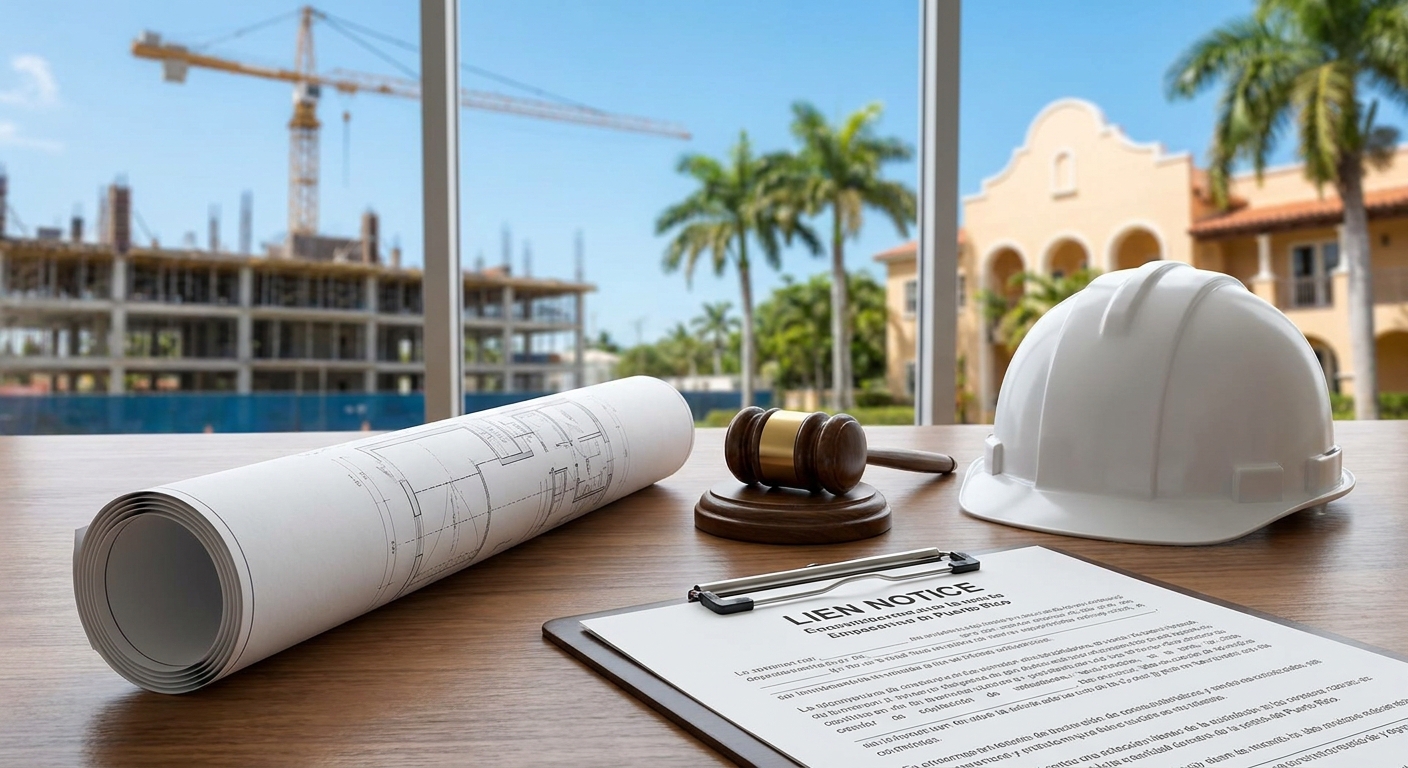

Mechanics liens protect contractors, subcontractors, and suppliers when they do not receive payment for work or materials provided to a construction project. In Puerto Rico, the mechanics lien process operates under specific statutory rules that differ from mainland U.S. procedures. Understanding these rules is essential for anyone involved in construction, whether you are performing work, supplying materials, or owning property where construction occurs.
A mechanics lien is a legal claim against real property that secures payment for labor, materials, or services provided in connection with construction or improvement work. When a property owner or general contractor fails to pay, the lien holder can force a sale of the property to recover what is owed. This remedy exists because construction work and materials become part of the property itself, giving workers and suppliers a legitimate interest in that property until they are paid.
Puerto Rico's mechanics lien law provides important protections, but only if you follow the correct procedures and meet strict deadlines. Missing a single requirement can result in loss of your lien rights entirely. This article explains how mechanics liens work in Puerto Rico, who can file them, what steps you must take, and how to protect your interests.
The Legal Foundation for Mechanics Liens in Puerto Rico
Puerto Rico's mechanics lien statute creates a statutory right to file a lien against real property when payment is not received for construction work or materials. The law recognizes that contractors, subcontractors, laborers, and material suppliers all contribute value to a property and deserve protection if the property owner or general contractor does not pay.
The statute applies to all types of construction work, including new construction, renovations, repairs, and improvements to residential, commercial, and industrial properties. The lien attaches to the property itself, not to a specific contract or payment obligation. This means the lien holder has a claim against the property regardless of disputes between the property owner and the general contractor.
One critical aspect of Puerto Rico's mechanics lien law is that it operates independently of contract disputes. Even if a property owner claims the work was defective or incomplete, the lien holder can still enforce the lien and force a sale of the property. The property owner's remedies for defective work are separate from the lien enforcement process. This separation protects lien holders from being caught in disputes between other parties.
Who Can File a Mechanics Lien in Puerto Rico
Puerto Rico law allows several categories of people and businesses to file mechanics liens. Understanding whether you qualify is the first step in protecting your payment rights.
General contractors who perform construction work on a property can file a mechanics lien if they do not receive payment from the property owner. Subcontractors who work under a general contractor can also file a lien, even if the general contractor was responsible for paying them. Material suppliers who provide materials for construction work can file a lien if they do not receive payment. Laborers and workers who perform construction work can file a lien for unpaid wages.
The law also protects equipment rental companies and other service providers who supply equipment or services essential to the construction project. The key requirement is that your work or materials must have been incorporated into or used in the construction or improvement of the property.
One important limitation applies to remote suppliers. If you are a material supplier who sells materials to a contractor or subcontractor without direct knowledge that the materials will be used on a specific project, you may not have lien rights. To protect yourself as a supplier, you should obtain written notice from the contractor or subcontractor identifying the specific property where your materials will be used.
Notice Requirements Before Filing a Mechanics Lien
Puerto Rico law requires that you provide notice to the property owner before you can file a mechanics lien. This notice requirement exists to give the property owner an opportunity to protect themselves by monitoring who is working on their property and ensuring that contractors and suppliers are paid.
If you are a subcontractor or supplier working under a general contractor, you must provide written notice to the property owner within a specific timeframe. The notice must identify you, describe the work or materials you are providing, and state that you have not been paid. Failure to provide this notice can eliminate your right to file a mechanics lien.
The timing of this notice is critical. You must provide notice before you lose your lien rights by operation of law. The specific deadline depends on your status as a contractor, subcontractor, or supplier. General contractors typically have different notice requirements than subcontractors and suppliers.
The notice must be in writing and must be delivered to the property owner. Delivery can be accomplished by personal service, certified mail, or other methods that provide proof of delivery. You should always obtain written confirmation that the property owner received your notice, as this confirmation may be necessary if you later need to enforce the lien.
The Process of Filing a Mechanics Lien in Puerto Rico
Filing a mechanics lien in Puerto Rico requires compliance with specific statutory procedures. The process begins with preparing a lien document that contains all required information and then recording it in the property registry.
The lien document must include your name and address, a description of the work performed or materials supplied, the amount claimed, the property owner's name, a legal description of the property, and the date work began and ended. The document must be signed and notarized. Incomplete or inaccurate information can result in the lien being invalid or unenforceable.
Once you have prepared the lien document, you must record it in the Puerto Rico Property Registry for the municipality where the property is located. Recording creates a public record of your lien and gives notice to anyone who searches the property title. The lien attaches to the property as of the date of recording.
The timing of recording is critical. You must record your lien within a specific period after the last date you provided work or materials. Missing this deadline results in loss of your lien rights. The deadline varies depending on whether you are a general contractor, subcontractor, or supplier, and whether you provided the required notice to the property owner.
After recording the lien, you should serve a copy of the recorded lien on the property owner and any other parties required by law. This service provides additional notice and may be necessary for enforcement proceedings.
Deadlines and Time Limits for Mechanics Liens
Puerto Rico's mechanics lien law imposes strict deadlines that determine when you must file your lien and how long you have to enforce it. Missing any deadline can result in complete loss of your lien rights.
The primary deadline is the period within which you must record your lien after the last date you provided work or materials. For general contractors, this period is typically longer than for subcontractors and suppliers. Subcontractors and suppliers generally have a shorter period to record their lien, which creates urgency to act quickly once payment is not received.
If you provided the required notice to the property owner before the work ended, your deadline to record the lien may be extended. This extension recognizes that property owners who receive notice have an opportunity to protect themselves and should not benefit from a shorter deadline.
Once you have recorded your lien, you must enforce it within a specified period by filing a lawsuit to foreclose on the property. If you do not file the foreclosure action within this period, your lien expires and becomes unenforceable. The period for enforcement is typically several years, but you should not delay in taking action.
The statute of limitations for enforcing a mechanics lien is separate from the deadline for recording the lien. You must record the lien within the statutory period, and then you must file a foreclosure action within a separate period. Both deadlines are mandatory and cannot be extended by agreement.
Protecting Your Mechanics Lien Rights as a Contractor or Supplier
Protecting your mechanics lien rights requires proactive steps throughout the construction project. You cannot wait until payment is overdue to begin protecting yourself.
First, obtain a written contract that clearly identifies the property where work will be performed or materials will be used. The contract should include the property address, a legal description if available, and the scope of work or materials. This documentation is essential if you later need to prove that your work or materials were incorporated into the property.
Second, maintain detailed records of all work performed and materials supplied. Keep invoices, delivery receipts, photographs, and daily logs showing what was done and when. These records will be necessary to prove your claim if you need to enforce the lien.
Third, provide the required notice to the property owner before the work ends or as soon as you realize payment will not be received. Do not wait until the deadline is about to expire. Providing notice early gives you more time to take additional steps if needed and demonstrates that you acted diligently to protect your rights.
Fourth, track all deadlines carefully. Create a calendar or checklist showing when your lien must be recorded and when you must file a foreclosure action. Missing a deadline by even one day can result in loss of your entire claim.
Fifth, consider whether you should record a preliminary notice or other protective documents before recording the formal lien. Some situations may benefit from additional notice to interested parties.
Defending Against a Mechanics Lien
If you are a property owner and a mechanics lien has been filed against your property, you have several options for defending yourself. Understanding these options can help you protect your property and resolve the dispute.
First, verify that the lien was properly filed and that all statutory requirements were met. If the lien document is incomplete, inaccurate, or was not properly recorded, you may be able to challenge it. If the lien was recorded after the statutory deadline, it may be invalid.
Second, verify that the lien holder actually performed the work or supplied the materials claimed. Request documentation showing what work was done, when it was done, and what materials were supplied. If the lien holder cannot prove their claim, the lien may be invalid.
Third, verify that the amount claimed is accurate. Review invoices and contracts to determine what was actually owed. If the lien claims more than was actually due, you may be able to challenge the excess amount.
Fourth, determine whether the lien holder provided the required notice to you before the work ended. If notice was not provided, the lien may be invalid or unenforceable.
Fifth, consider whether you have valid defenses based on the quality of work or materials. While these defenses do not eliminate the lien, they may be relevant in settlement negotiations or in a foreclosure action.
If you believe a mechanics lien is invalid or improper, you should consult with an experienced attorney who can review the lien document, the statutory requirements, and your specific situation. A mechanics lien foreclosure action can result in forced sale of your property, making it critical to address the lien promptly.
Enforcing a Mechanics Lien Through Foreclosure
If a property owner does not pay the amount claimed in a mechanics lien, the lien holder can enforce the lien by filing a foreclosure action in court. This action seeks to force a sale of the property so that the lien holder can be paid from the sale proceeds.
The foreclosure process begins with filing a complaint in the appropriate court. The complaint must allege that the lien was properly recorded, that the lien holder performed the work or supplied the materials claimed, that payment was not received, and that the property owner has not paid the amount due. The complaint must also request that the court order a sale of the property.
The property owner will have an opportunity to respond to the complaint and present defenses. Common defenses include claims that the work was defective, that the amount claimed is excessive, or that the lien was improperly filed. The court will consider these defenses and determine whether the lien is valid and enforceable.
If the court determines that the lien is valid, it will order that the property be sold. The sale proceeds will be distributed first to pay the lien holder's claim, then to pay other liens and mortgages in order of priority, and finally to the property owner if any proceeds remain.
The foreclosure process can take several months or longer, depending on the complexity of the case and whether the property owner contests the lien. During this time, the property is encumbered by the lien and cannot be sold or refinanced without addressing the lien.
Mechanics Liens and Construction Financing
Mechanics liens have significant implications for construction financing and mortgage lending. Lenders who provide construction loans are concerned about mechanics liens because they can have priority over the lender's mortgage in certain circumstances.
When a lender provides a construction loan, the lender typically requires that all contractors and suppliers be paid from loan proceeds. The lender also requires that the borrower provide evidence that all parties have been paid before the lender releases additional loan funds. This requirement protects the lender from mechanics liens being filed against the property.
If a contractor or supplier files a mechanics lien, the lender may refuse to release additional loan funds until the lien is resolved. This can create cash flow problems for the property owner and general contractor, potentially causing the project to stall.
Property owners should ensure that all contractors and suppliers are paid promptly to avoid mechanics liens. If a mechanics lien is filed, the property owner should work with the lender to resolve the lien as quickly as possible.
Mechanics Liens and Property Sales
A mechanics lien creates a cloud on the property title that must be resolved before the property can be sold. A buyer will not purchase property that is subject to a mechanics lien because the buyer could be forced to pay the lien amount or have the property sold to satisfy the lien.
If you are selling property and a mechanics lien has been filed, you must either pay the lien or obtain a release from the lien holder before closing the sale. The sale proceeds can be used to pay the lien at closing, but the lien must be satisfied before the deed is transferred to the buyer.
If you are buying property and a mechanics lien appears on the title, you should investigate the lien carefully. Determine whether the lien is valid, whether it has been properly recorded, and what amount is claimed. You may want to require that the seller pay the lien before closing, or you may negotiate a price reduction to account for the lien.
Common Mistakes in Mechanics Lien Cases
Contractors, subcontractors, and suppliers frequently make mistakes that result in loss of their mechanics lien rights. Understanding these mistakes can help you avoid them.
The most common mistake is failing to record the lien within the statutory deadline. Once the deadline passes, your right to file a lien is gone forever. You cannot recover the amount owed through a mechanics lien if you miss the deadline, though you may have other legal remedies.
Another common mistake is failing to provide the required notice to the property owner. If you are a subcontractor or supplier, you must provide notice before the work ends or within a specific period after the work ends. Failure to provide notice can eliminate your lien rights.
A third common mistake is filing a lien document that is incomplete or inaccurate. The lien document must contain all required information, including a proper legal description of the property. If the property description is incorrect or incomplete, the lien may be invalid.
A fourth common mistake is failing to serve the lien on the property owner and other required parties. Service is necessary to give notice of the lien and may be required for enforcement proceedings.
A fifth common mistake is waiting too long to file a foreclosure action to enforce the lien. Once you have recorded the lien, you must file a foreclosure action within the statutory period. If you wait too long, your lien may expire.
Next Steps: Protecting Your Mechanics Lien Rights
If you are involved in a construction project in Puerto Rico, you should understand your mechanics lien rights and the steps necessary to protect them. Whether you are a contractor, subcontractor, supplier, or property owner, mechanics liens can significantly affect your interests.
If you have not been paid for work or materials provided to a construction project, you should act immediately to protect your lien rights. The deadlines for recording a mechanics lien are strict and cannot be extended. Waiting even a few days can result in loss of your entire claim.
If you are a property owner and a mechanics lien has been filed against your property, you should consult with an experienced attorney to understand your options and defenses. A mechanics lien foreclosure can result in forced sale of your property, making it critical to address the lien promptly and effectively.
The Puerto Rico Business Law Firm has extensive experience handling mechanics lien matters, including filing liens, enforcing liens through foreclosure, and defending against liens. Christian M. Frank Fas, Esq. has over 20 years of commercial and business law experience and can provide focused guidance on your specific situation.
Contact the firm for a free initial evaluation of your mechanics lien matter. During the evaluation, we will review your situation, explain your rights and options, and discuss the steps necessary to protect your interests. Visit https://lawyerinpr.com/start to schedule your free initial evaluation today.