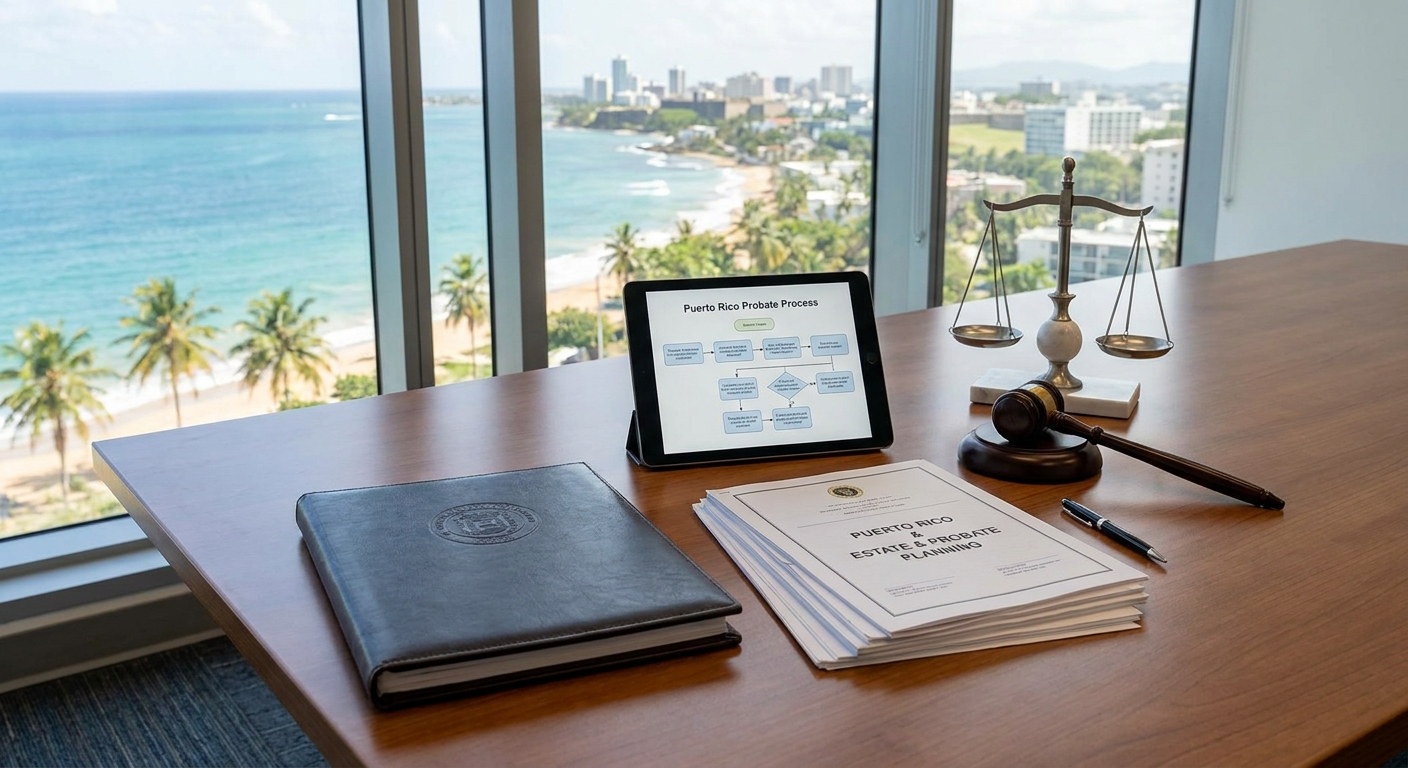

Understanding the Puerto Rico Probate Process
When a business owner or investor passes away in Puerto Rico, their assets, including business interests, do not automatically transfer to heirs or beneficiaries. Instead, the estate must go through a legal process called probate. This process ensures that debts are paid and assets are distributed according to the deceased’s wishes or the law. For entrepreneurs and investors, understanding how probate works in Puerto Rico can help in planning for the future and avoiding unexpected delays or complications.
Why Probate Matters for Business Interests
Business assets such as shares, partnership interests, or property are often central to an estate. During probate, these assets are identified, valued, and transferred to heirs or new owners. If proper planning is not in place, the transfer can become lengthy and costly, potentially disrupting business operations or delaying inheritance. Knowing the probate process helps business owners structure their estate plans to minimize these issues and ensure a smooth transition of ownership.
The Steps in the Puerto Rico Probate Process
- Filing the Will or Estate: The process begins with submitting the deceased’s will (if one exists) or initiating an estate proceeding without a will.
- Appointment of a Personal Representative: The court designates someone to manage the estate, often called an executor or administrator.
- Notification and Inventory: Creditors, heirs, and interested parties are notified, and the estate’s assets are inventoried and appraised.
- Paying Debts and Taxes: Outstanding debts, taxes, and expenses are settled from the estate’s assets.
- Distribution of Assets: Remaining assets are distributed to heirs or beneficiaries according to the will or law.
How Business Owners Can Prepare for Probate
Proper estate planning can streamline the probate process. Business owners should consider establishing clear ownership structures, such as holding companies or trusts, to facilitate transfer. Additionally, having a comprehensive will that clearly states how business interests should be handled can reduce delays. Regularly updating estate documents ensures that plans remain aligned with current business and personal circumstances.
Key Takeaways for Entrepreneurs and Investors
- Understanding the probate process helps in planning for a smooth transfer of business assets.
- Proper estate planning minimizes delays and legal costs during probate.
- Working with focused legal professionals can ensure that estate documents are clear and enforceable.
- Being aware of the steps involved allows for better preparation and peace of mind.