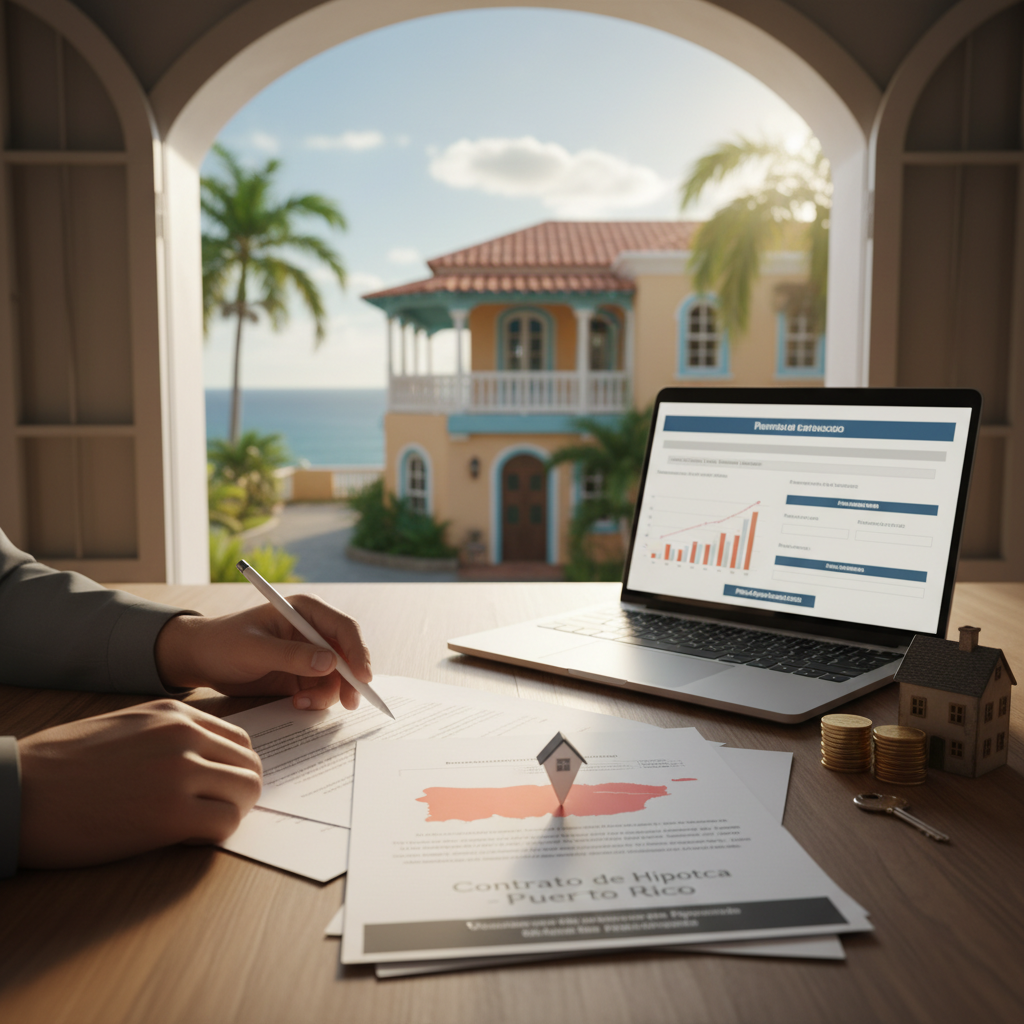

Understanding the Basics of Puerto Rico’s Mortgage Process
Purchasing property in Puerto Rico involves a process similar to that of many U.S. states, but with some unique features that can influence your experience. Knowing what to expect can make the journey smoother and help you make informed decisions from the start.
Pre-Approval and Financial Preparation
Before you start house hunting, obtaining a mortgage pre-approval is a wise step. This involves a lender reviewing your financial situation—income, credit score, and debt levels—to determine how much they are willing to lend. In Puerto Rico, lenders often require documentation such as tax returns, bank statements, and proof of income. Having these ready can speed up the process.
Choosing the Right Lender
Puerto Rico has a mix of local banks, credit unions, and U.S.-based lenders offering mortgage products. Some lenders may have specific programs tailored for residents or investors. Comparing interest rates, loan terms, and closing costs across different lenders can help you find the most suitable option.
Property Appraisal and Inspection
Once you find a property and your offer is accepted, the lender will typically require an appraisal. This assesses the property's value to ensure it aligns with the loan amount. An inspection may also be recommended or required to evaluate the property's condition, especially for older or unique properties.
Loan Approval and Underwriting
After the appraisal and inspection, the lender moves into underwriting—reviewing all documentation and verifying details. This step confirms your ability to repay the loan and ensures the property meets lending standards. During this phase, the lender may request additional information or clarification.
Closing the Deal
When approved, you'll move toward closing. This involves signing the final documents, paying closing costs, and officially transferring ownership. In Puerto Rico, closing costs typically include taxes, registration fees, and sometimes legal fees. It’s important to review all documents carefully before signing.
Post-Closing Considerations
After closing, you'll begin making mortgage payments according to the agreed schedule. Maintaining good communication with your lender and keeping up with payments can help avoid unnecessary complications. Additionally, understanding property taxes and insurance requirements in Puerto Rico is essential for ongoing ownership.
Special Factors in Puerto Rico’s Mortgage Market
Puerto Rico’s mortgage landscape offers some distinct advantages, such as favorable interest rates and specific programs for residents and investors. However, it’s important to be aware of local laws regarding property registration and taxes, which can influence your mortgage terms and ownership rights.
Final Thoughts
While the mortgage process in Puerto Rico shares many similarities with the mainland U.S., attention to local procedures and requirements can make a significant difference. Working with focused professionals familiar with the Puerto Rican market can streamline your experience and help you secure the right financing for your property investment.