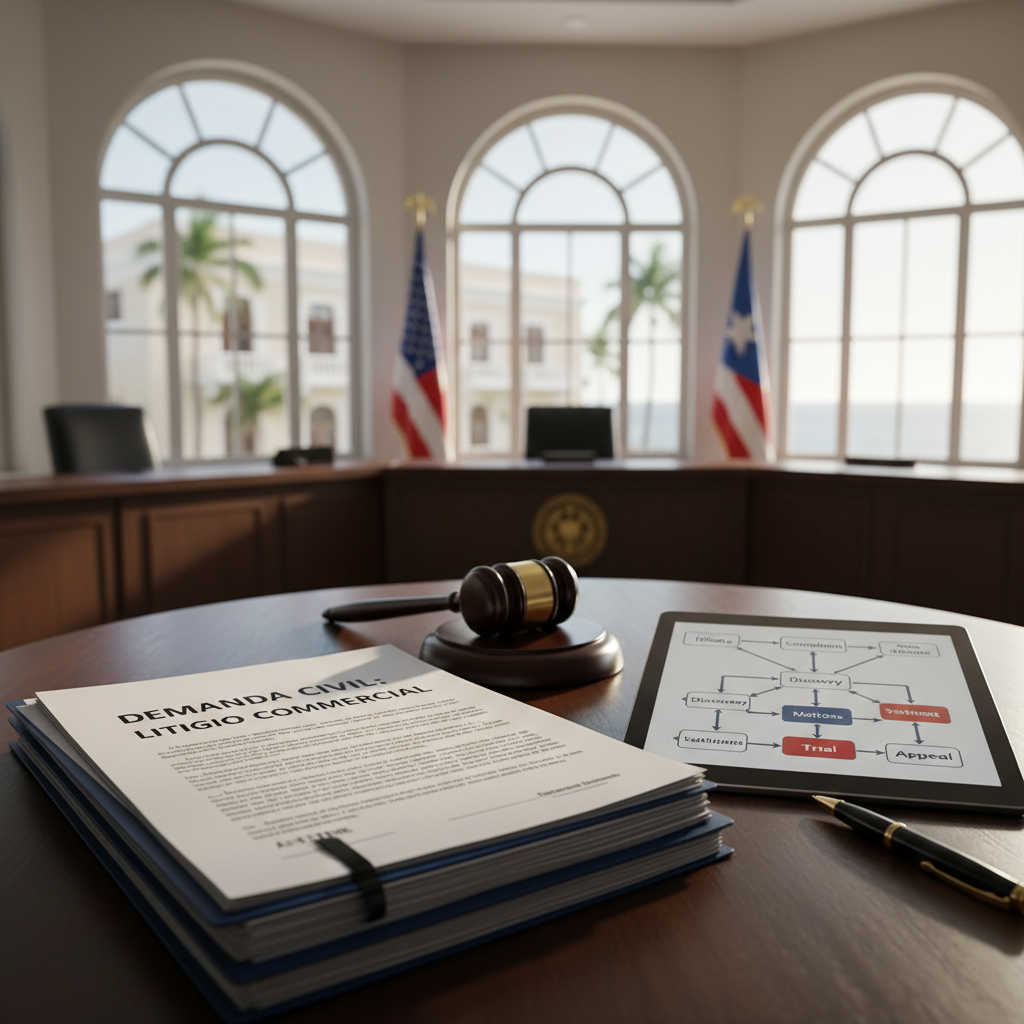

Understanding Commercial Litigation in Puerto Rico
Commercial litigation refers to legal disputes related to business activities. Whether it involves contract disagreements, partnership disputes, or issues with business transactions, understanding how these cases unfold in Puerto Rico can help entrepreneurs and investors prepare for the process.
Unlike some regions, Puerto Rico has a unique legal system that blends Spanish civil law with U.S. common law influences. This hybrid system shapes how commercial disputes are handled and resolved in the territory.
Starting a Commercial Litigation Case
The process begins when one party files a complaint with the appropriate court. This document outlines the dispute, the claims being made, and the relief sought. Once filed, the complaint must be served to the defendant, who then has a set period to respond.
In Puerto Rico, the courts are structured into different levels, with the Court of First Instance serving as the primary venue for commercial disputes. For more complex or significant cases, parties may escalate to the Court of Appeals or even federal courts if federal jurisdiction applies.
The Pre-Trial Phase
After the complaint and response are filed, the case enters the pre-trial phase. This stage involves gathering evidence, conducting depositions, and exchanging relevant documents. Both sides may file motions to resolve certain issues before trial, such as dismissing parts of the case or requesting summary judgment if the facts are clear.
During this period, parties often engage in settlement negotiations. Many disputes are resolved here without the need for a full trial, saving time and resources.
The Trial Process
If the case proceeds to trial, each side presents their evidence and arguments before a judge. In Puerto Rico, commercial cases are typically decided by a judge rather than a jury. The judge evaluates the facts, applies relevant laws, and issues a ruling.
Trials can involve witness testimony, expert opinions, and review of documents. The goal is to establish the facts clearly enough for the judge to make an informed decision.
Post-Trial and Enforcement
Once a decision is made, the losing party may choose to appeal if they believe legal errors affected the outcome. Appeals are heard by higher courts, which review the case for procedural or substantive mistakes.
If the judgment is upheld, the winning party can pursue enforcement actions to collect damages or compel the other side to comply with court orders. Enforcement can involve seizing assets, garnishing wages, or other legal means.
Key Considerations for Business Owners
- Time and Cost: Commercial litigation can be lengthy and costly. Proper legal guidance can help streamline the process and avoid unnecessary delays.
- Local Laws and Procedures: Puerto Rico’s legal system has specific rules that differ from U.S. federal courts. Working with focused local counsel ensures compliance and effective case management.
- Alternative Dispute Resolution: Many commercial disputes are resolved through mediation or arbitration, which can be faster and more flexible than traditional court proceedings.
Final Thoughts
Understanding the commercial litigation process in Puerto Rico helps business owners and investors approach disputes with confidence. Knowing what to expect at each stage allows for better planning and decision-making, ultimately protecting your business interests in this unique legal environment.