
Understanding Beach Access Laws in Puerto Rico
Puerto Rico is renowned for its stunning beaches, but knowing how access is regulated can be complex. Unlike many places where beaches are public, some areas in Puerto Rico have specific rules that determine who can access certain shoreline sections. This knowledge is essential for entrepreneurs, investors, and location-flexible founders planning to develop or operate near coastal areas.
Public vs. Private Beaches
In Puerto Rico, beaches are generally considered public property up to the high tide line. This means that anyone can walk along the shoreline up to where the water reaches during high tide. However, the land beyond that point can be privately owned, and access to these sections may be restricted.
Many beaches are entirely public, especially those managed by government agencies or local municipalities. Conversely, some beaches are partially or fully private, often associated with resorts, hotels, or private residences. The distinction hinges on land ownership and local regulations.
Legal Framework and Regulations
The main legal reference for beach access in Puerto Rico is the Puerto Rico Civil Code, which affirms the public's right to access and use beaches up to the high tide line. Additionally, the Puerto Rico Department of Natural and Environmental Resources (DNER) oversees the management of many beaches and enforces access rules.
Local ordinances may also specify access points, parking regulations, and restrictions to protect natural resources and ensure safety. It is important for business owners and investors to understand these rules to avoid legal issues and ensure compliance.
Access Points and Pathways
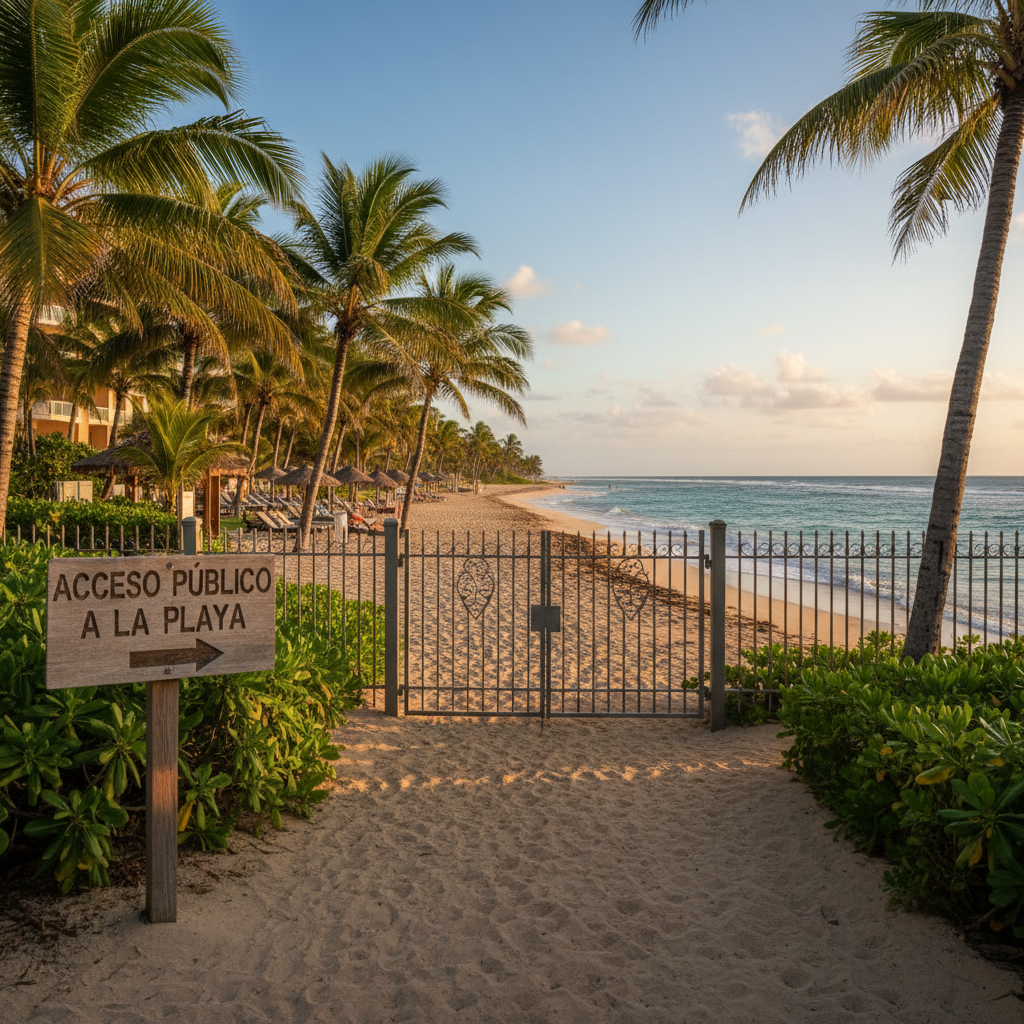
Many beaches have designated access points, often marked with signs or maintained pathways. These are the legal routes for entering the beach area. Blocking or obstructing these access points can be considered illegal and may lead to fines or other penalties.
In some cases, private landowners may have pathways that lead to the beach, but these are typically subject to specific agreements or easements. It is advisable to verify whether such pathways are legally recognized for public use before relying on them.
Restrictions and Limitations
While the public has the right to access beaches up to the high tide line, certain restrictions may apply. These include limitations on activities such as camping, fires, or commercial operations without proper permits. Additionally, some beaches may have seasonal or temporary restrictions to protect wildlife or during maintenance activities.
For entrepreneurs interested in establishing businesses near beaches, understanding these restrictions is vital. Securing the necessary permits and respecting access points can prevent legal complications and foster positive community relations.
Implications for Business and Investment
When developing property or planning commercial activities near beaches, it is essential to confirm the public access rights and any restrictions. Proper due diligence ensures that operations do not infringe on public rights or violate local laws. Engaging with local authorities or legal professionals focused on Puerto Rican land and beach laws can provide clarity and help avoid potential conflicts.
Summary
Puerto Rico’s beach access laws prioritize public rights up to the high tide line, but land ownership beyond that can vary. Recognizing designated access points, respecting restrictions, and understanding the legal landscape are key steps for anyone involved in coastal business activities. Staying informed and compliant helps maintain good relations with local communities and ensures smooth operations along the island’s beautiful shores.