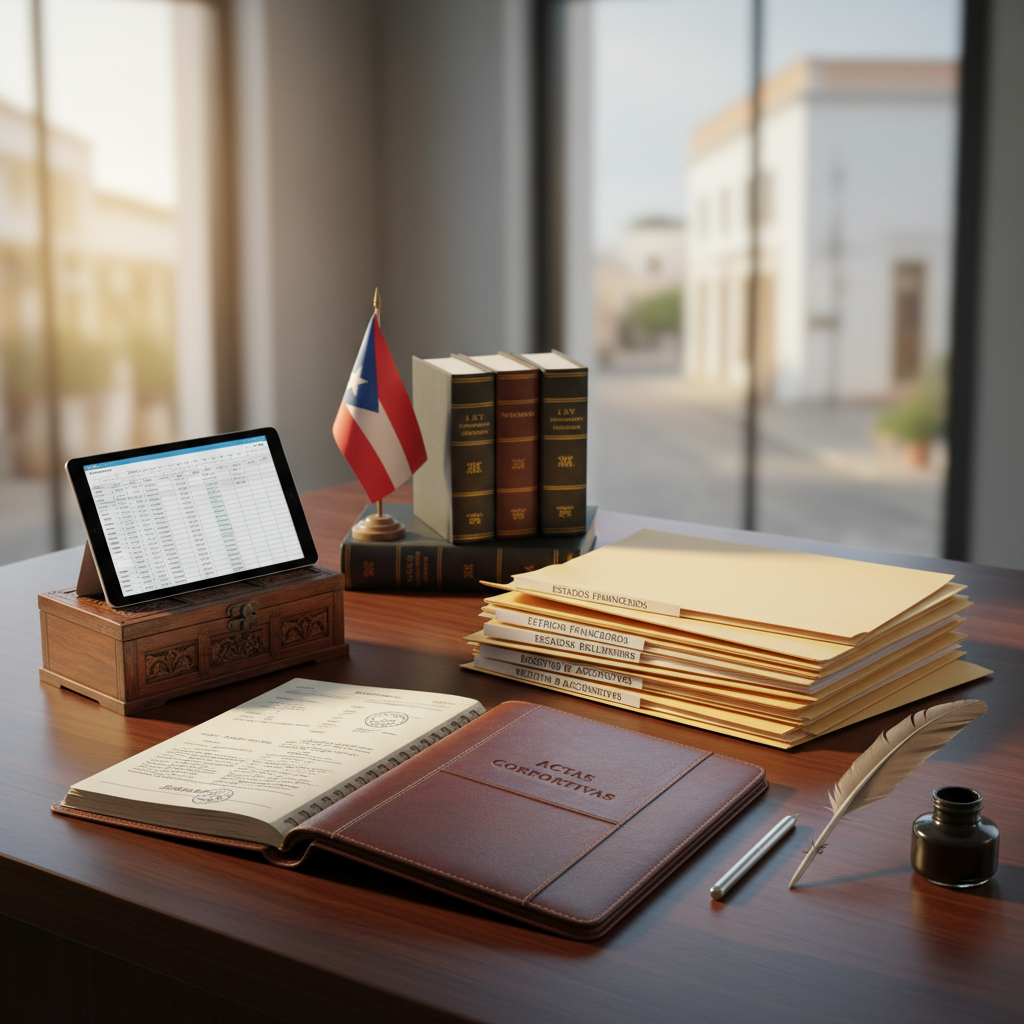

Understanding Corporate Records in Puerto Rico
Maintaining proper corporate records is a fundamental part of running a business in Puerto Rico. These records serve as the official history of your company, documenting important decisions, financial transactions, and compliance with local laws. Proper record-keeping not only helps in day-to-day management but also ensures your business remains compliant with Puerto Rican regulations.
Legal Requirements for Record Maintenance
Puerto Rico law requires corporations to keep accurate and complete records of their activities. This includes financial statements, minutes of meetings, resolutions, and other essential documents. These records must be maintained at the company's principal office or another designated location within Puerto Rico.
Unlike some jurisdictions, Puerto Rico does not specify a strict format for records but emphasizes accuracy and completeness. The law also mandates that records be available for inspection by shareholders or their representatives upon request.
Types of Corporate Records to Keep
- Corporate Minutes: Document decisions made during meetings of directors and shareholders. These should include voting outcomes and key discussions.
- Financial Records: Maintain detailed books of account, ledgers, and financial statements. These are vital for tax purposes and financial transparency.
- Resolutions and Agreements: Keep copies of formal resolutions passed by the board or shareholders, as well as any contracts or legal agreements entered into by the company.
- Ownership Records: Maintain a current list of shareholders, including their ownership percentages and contact information.
How Long Should Records Be Kept?
Puerto Rican law generally recommends retaining corporate records for at least five years. This duration ensures that the company can provide documentation for audits, legal disputes, or regulatory inquiries that may arise years after the records were created.
Best Practices for Record Maintenance
- Organize and Store Securely: Use a systematic filing system, whether physical or digital, to ensure easy access and security.
- Regular Updates: Keep records current by updating minutes, financial statements, and ownership lists promptly after each relevant event.
- Use Digital Tools: Consider digital record-keeping solutions that offer encryption and backup options to protect sensitive information.
- Limit Access: Restrict access to authorized personnel to prevent tampering or loss of records.
Implications of Non-Compliance
Failing to maintain proper corporate records can lead to legal complications, including penalties or difficulties in proving compliance during audits or disputes. It can also impact the company's credibility and ability to secure financing or attract investors.
Conclusion
Keeping accurate and complete corporate records in Puerto Rico is a straightforward yet vital task. It supports transparency, legal compliance, and smooth business operations. Establishing a consistent record-keeping system aligned with local requirements will serve your company well as it grows and evolves in Puerto Rico’s dynamic business environment.