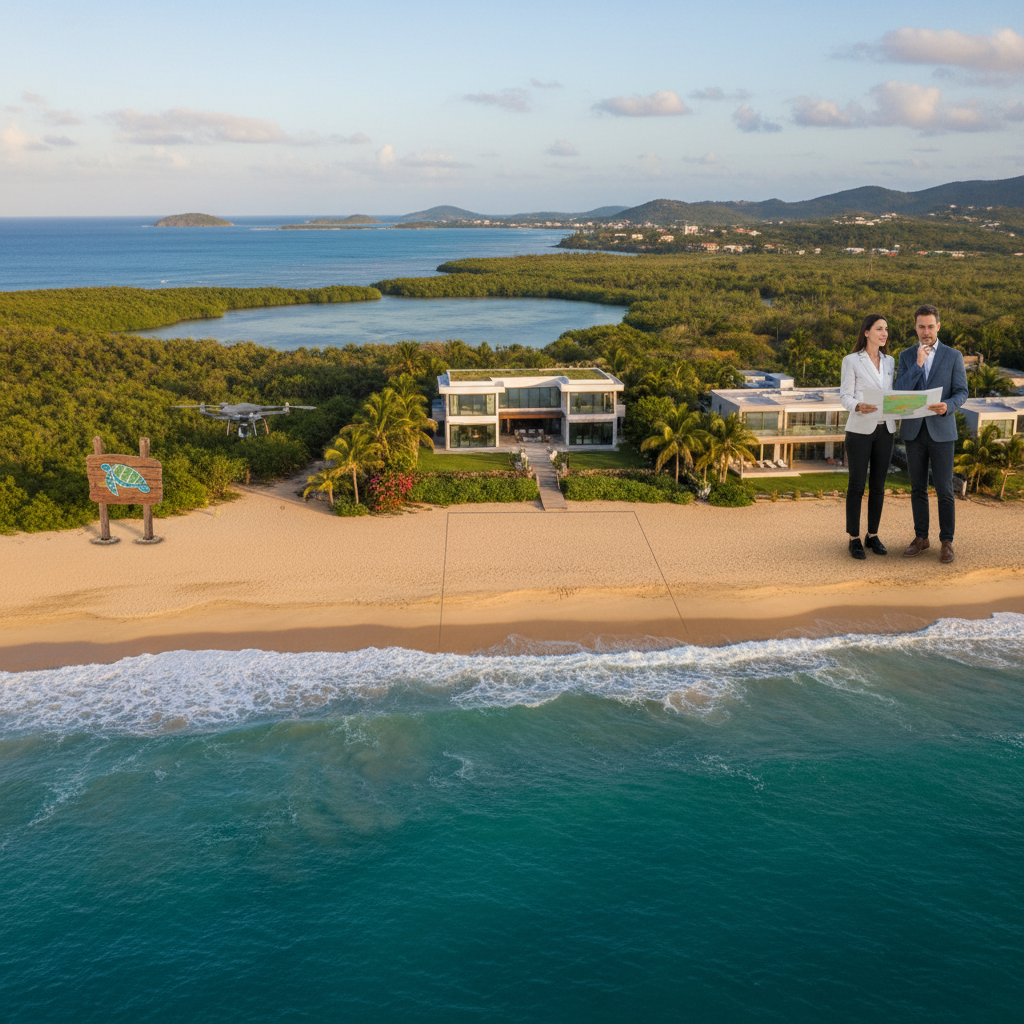

Understanding Coastal Property Regulations in Puerto Rico
Owning property along Puerto Rico’s coast offers stunning views and access to the island’s beautiful beaches. However, the coastline is also protected by a set of regulations designed to preserve the environment and ensure responsible development. Knowing these rules is essential for anyone considering investing in or developing coastal land.
Public vs. Private Coastlines
Puerto Rico’s coastline is a mix of public and private lands. The law generally considers beaches and the land up to the high tide line as public. This means that even if you own property adjacent to the beach, the shoreline itself remains accessible to everyone. Understanding where your property begins and the public domain ends is vital before planning any development or improvements.
Regulations on Building Near the Coast
Building close to the shoreline involves strict rules aimed at protecting the environment and preventing erosion. The government enforces setback distances, which are minimum distances from the high tide line where construction can occur. These setbacks vary depending on the location and the type of project but typically range from 50 to 200 feet from the shoreline.
Developers must also adhere to specific environmental impact assessments. These evaluations ensure that construction does not harm local ecosystems, such as mangroves, coral reefs, or nesting sites for sea turtles. Permits are required for most coastal projects, and approval depends on compliance with these environmental standards.
Environmental Protections and Restrictions
Puerto Rico has designated protected areas along its coast, including national parks, wildlife refuges, and conservation zones. These areas often have additional restrictions on development, including limitations on land clearing, construction, and even access. It is essential to verify whether a property falls within a protected zone before proceeding with any plans.
Furthermore, certain activities like dredging, filling, or altering natural water flows are heavily regulated. Violations can lead to hefty fines and project delays, making it important to work with focused professionals familiar with local environmental laws.
Legal Considerations for Coastal Property Ownership
Ownership rights in coastal areas are subject to federal and local laws. The Coastal Zone Management Program, managed by the Puerto Rico Planning Board, oversees development in these zones. It’s important to conduct thorough due diligence to confirm property boundaries, existing permits, and any restrictions that may impact future use or development.
Additionally, recent legal updates have increased protections for coastal ecosystems, emphasizing sustainable development. This means that even existing properties may face new restrictions if they are within sensitive zones or if environmental conditions change.
Practical Steps for Investors and Business Owners
- Engage with local authorities early to understand specific setback requirements and environmental restrictions.
- Hire focused legal and environmental professionals to conduct due diligence before purchasing or developing coastal land.
- Review existing permits and ensure compliance with all applicable regulations to avoid delays or penalties.
- Consider long-term environmental impacts and community interests when planning development projects.
Owning and developing coastal property in Puerto Rico can be a rewarding venture, provided that all regulations are carefully followed. Staying informed and working with knowledgeable professionals helps ensure that investments are both compliant and sustainable.