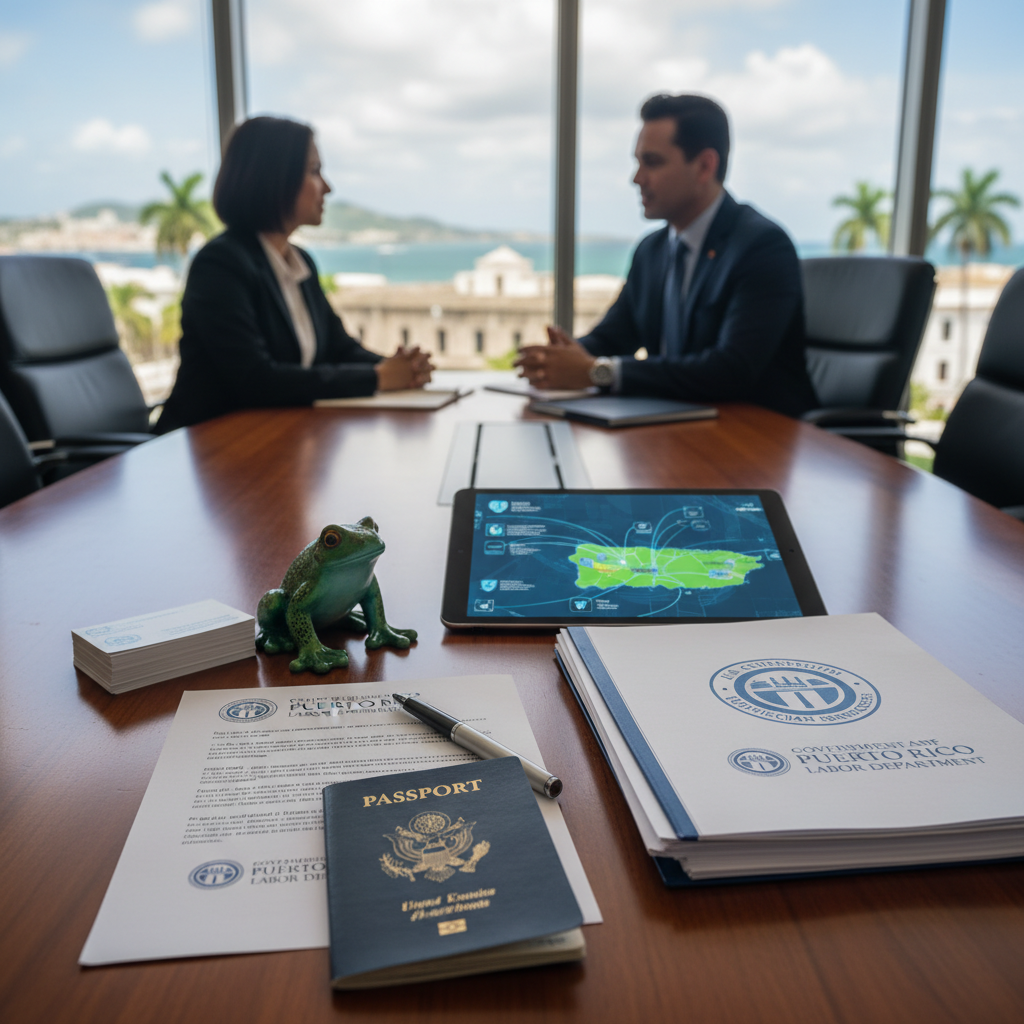

Understanding the Basics of Hiring Foreign Workers in Puerto Rico
Puerto Rico offers a unique environment for U.S. entrepreneurs looking to expand their teams with international talent. While the island is a U.S. territory, hiring foreign workers involves specific steps that ensure compliance with federal and local regulations. Knowing these steps can help streamline the process and avoid common pitfalls.
Legal Framework for Hiring Foreign Workers in Puerto Rico
Since Puerto Rico is part of the United States, federal immigration laws apply directly. This means that hiring foreign workers typically requires navigating the same visa and work authorization processes as in the mainland U.S. However, there are some nuances and local considerations that can influence how you approach hiring.
Work Authorization and Visa Options
- H-1B Visa: Designed for specialized occupations, this visa allows foreign professionals to work temporarily in Puerto Rico. The process involves employer sponsorship and demonstrating that the position requires specialized knowledge.
- L-1 Visa: For intra-company transfers, this visa enables multinational companies to transfer employees to their Puerto Rican operations. It’s suitable for managerial or specialized roles.
- O-1 Visa: For individuals with extraordinary ability in their field, this visa can be a good fit for highly skilled foreign workers.
- Other options: Depending on the role and circumstances, other visas such as the TN (for Canadians and Mexicans) or employment-based green cards might be applicable.
Steps to Legally Hire Foreign Workers in Puerto Rico
- Determine the right visa category: Assess the role and the candidate’s background to select the most appropriate visa type.
- Secure job offer and documentation: Prepare a clear job description and gather necessary documents to support the visa application.
- File the petition: The employer must submit the appropriate petition to U.S. Citizenship and Immigration Services (USCIS). This process includes paying fees and providing evidence of the job and candidate’s qualifications.
- Obtain work authorization: Once approved, the worker can apply for a visa at a U.S. consulate or port of entry, or in some cases, start working under certain visa categories.
- Comply with local employment laws: Ensure employment agreements, wages, and working conditions meet Puerto Rican labor standards.
Additional Considerations for Hiring in Puerto Rico
While federal laws govern the immigration process, local employment laws also play a role. Puerto Rico has its own labor regulations, including minimum wage laws, work hours, and employee rights. It’s important to align employment practices with these local standards to maintain compliance and foster a positive work environment.
Practical Tips for a Smooth Hiring Process
- Partner with focused legal counsel: Working with experienced immigration and employment lawyers can help navigate complex requirements efficiently.
- Plan ahead: Visa processing times can vary, so start the hiring process well in advance of your desired start date.
- Maintain clear communication: Keep candidates informed about each step of the process to ensure transparency and reduce uncertainty.
- Stay updated on policy changes: Immigration laws evolve, and staying informed helps prevent compliance issues.
Conclusion
Hiring foreign workers in Puerto Rico involves understanding federal immigration laws, selecting the appropriate visa pathways, and aligning with local employment standards. With careful planning and focused legal guidance, U.S. entrepreneurs can build diverse, talented teams that contribute to their success on the island.