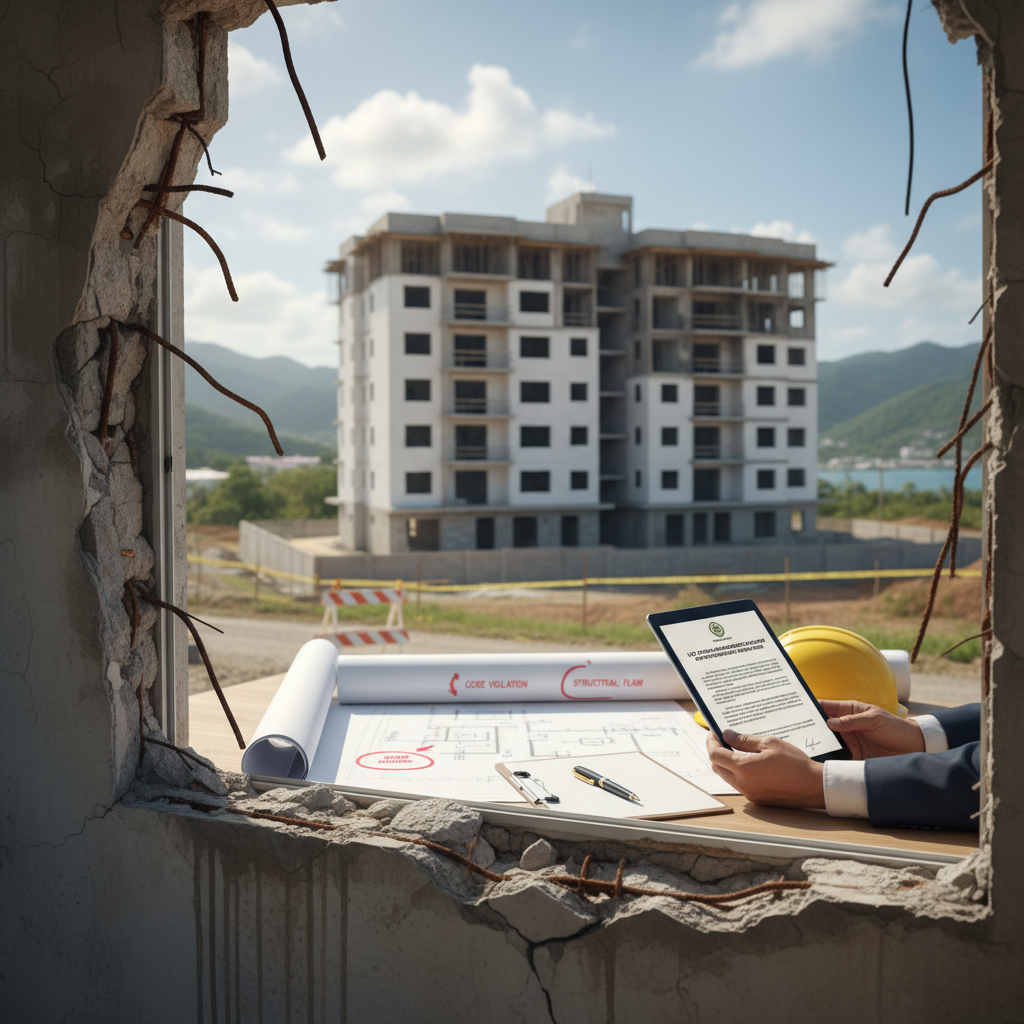

Understanding Construction Defect Claims in Puerto Rico
When investing in property or developing projects in Puerto Rico, awareness of construction defect claims is essential. These claims can significantly impact project timelines, costs, and legal responsibilities. Surprisingly, construction defect claims are more common than many realize, often arising from overlooked issues during construction or design phases.
What Are Construction Defects?
Construction defects refer to problems in a building that make it unsafe, uninhabitable, or significantly diminish its value. These issues can stem from poor workmanship, substandard materials, design flaws, or violations of building codes. Defects may be visible, like cracks or leaks, or hidden, such as structural weaknesses or electrical problems.
Types of Construction Defects in Puerto Rico
- Design Defects: Flaws in the original plans or specifications that lead to structural issues or code violations.
- Material Defects: Use of inferior or non-compliant materials that fail prematurely.
- Workmanship Defects: Poor construction practices, errors, or neglect during building.
- Code Violations: Failing to adhere to local building codes and regulations, which can result in unsafe structures.
Who Can Be Held Responsible?
Responsibility for construction defects can fall on various parties, including contractors, architects, engineers, or material suppliers. In Puerto Rico, the legal framework allows affected parties to seek compensation or require repairs through defect claims. Identifying the responsible party depends on the nature of the defect and the contractual relationships involved.
How Do Construction Defect Claims Work in Puerto Rico?
Typically, a claim begins when a defect is discovered. The affected party reports the issue, often requiring inspections or expert evaluations. If a defect is confirmed, the claimant can pursue remedies such as repair, replacement, or financial compensation. Puerto Rican law generally provides a statute of limitations—meaning claims must be filed within a certain period after discovering the defect, often within four years.
What Are the Common Challenges in Construction Defect Claims?
- Proving Fault: Demonstrating that a specific party’s negligence or breach caused the defect can be complex.
- Determining the Scope: Assessing the extent of the defect and the cost of repairs requires expert input.
- Time Limits: Missing the filing deadline can bar a claim, emphasizing the importance of timely action.
- Insurance Coverage: Understanding whether insurance policies cover defect-related damages is vital for both claimants and defendants.
Preventing Construction Defects and Claims
While legal remedies are available, proactive steps can reduce the likelihood of defects. Working with focused professionals, ensuring thorough inspections, and adhering strictly to building codes and standards are key. Clear contractual agreements that specify responsibilities and warranties also help manage expectations and liabilities.
Conclusion
Construction defect claims in Puerto Rico are a nuanced aspect of property development and investment. Recognizing the types of defects, understanding responsible parties, and acting within legal timeframes can make a significant difference. Being informed about these issues helps protect investments and ensures that construction projects meet safety and quality standards.