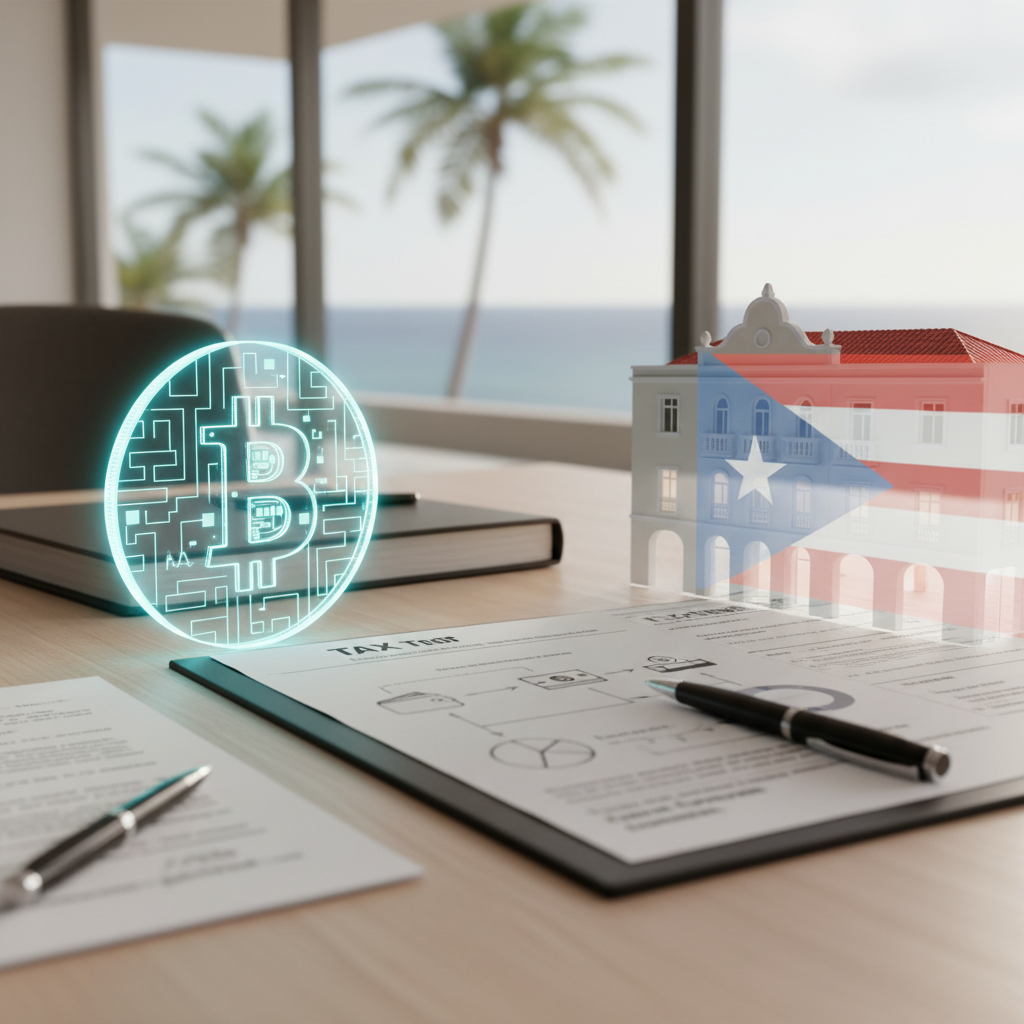

Understanding Cryptocurrency and Puerto Rico’s Tax Environment
Cryptocurrency has become a common part of many investment portfolios and business operations. When dealing with digital assets in Puerto Rico, it’s important to understand how the local tax system treats these transactions, especially regarding withholding requirements. Unlike traditional assets, cryptocurrencies are often seen as property, which influences how taxes are applied.
What Is Tax Withholding and Why Does It Matter?
Tax withholding is the process of deducting taxes at the source of income before it reaches the recipient. For businesses and investors, this means that when you earn income from crypto transactions—such as selling, trading, or receiving payments—there may be a requirement to withhold a portion of that amount for tax purposes. This process ensures that taxes are collected upfront, reducing the risk of unpaid taxes later.
Does Puerto Rico Require Withholding on Cryptocurrency?
Puerto Rico’s tax laws are distinct from those of the mainland United States. The territory has specific provisions for income derived from digital assets. Generally, income from cryptocurrency transactions is considered taxable, and withholding obligations depend on the nature of the transaction and the parties involved.
Who Is Responsible for Withholding?
In most cases, the party making the payment—such as a business paying a contractor or a platform facilitating a sale—must withhold taxes if the transaction qualifies under Puerto Rican law. For example, if a Puerto Rican business pays a foreign contractor in crypto, the business may be required to withhold a certain percentage of the payment for tax purposes.
What Are the Rates and Thresholds?
Unlike traditional income withholding, which often has set rates, crypto withholding in Puerto Rico is influenced by the type of income and the applicable tax brackets. For instance, payments made to non-residents or foreign entities may be subject to withholding rates similar to those for other cross-border payments. The specific percentage can vary, but common rates range from 15% to 30%, depending on the circumstances.
How to Comply with Puerto Rican Crypto Withholding Rules
- Identify the nature of the transaction: Determine if the payment qualifies as income, a sale, or a service fee.
- Determine the correct withholding rate: Consult current Puerto Rican tax tables or a focused tax professional to identify the applicable rate.
- Withhold at the source: Deduct the appropriate amount before making the payment.
- Report and remit: File the necessary forms with the Puerto Rican tax authorities and remit the withheld amount promptly.
- Maintain records: Keep detailed documentation of all transactions and withholding actions for future reference and audits.
Special Considerations for Crypto Investors and Businesses
For investors holding crypto assets, withholding may not be directly applicable unless they are receiving income from crypto-related activities. Businesses, however, must be diligent in applying withholding rules when making payments involving digital assets. It’s also important to note that Puerto Rico’s tax incentives, such as Act 60, can influence how crypto income is taxed and whether withholding applies.
Conclusion
Understanding how Puerto Rico handles tax withholding on cryptocurrency transactions is essential for compliance and effective planning. While the rules are evolving, staying informed and working with focused professionals ensures that your crypto dealings align with local requirements. Proper withholding not only helps avoid penalties but also positions your business or investments for smooth operation within Puerto Rico’s unique tax landscape.