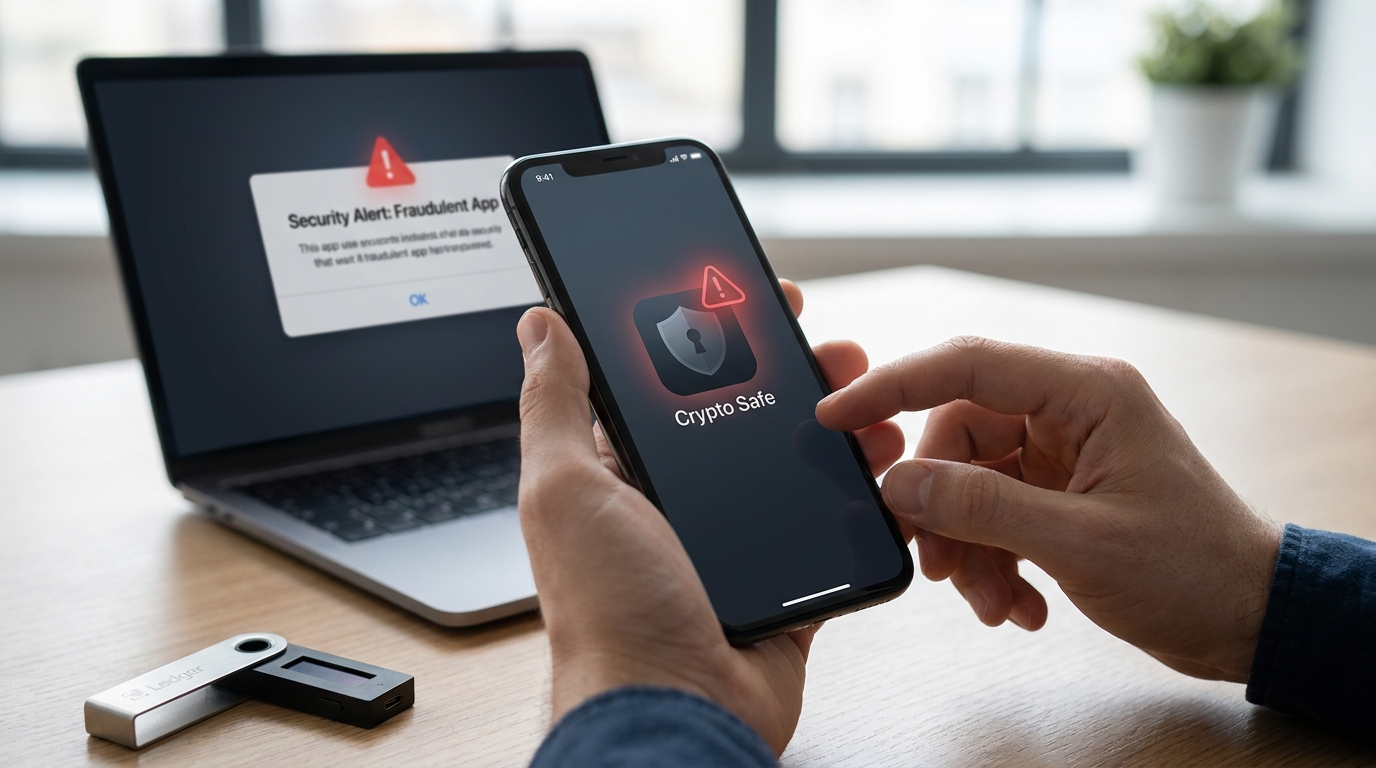

Counterfeit crypto wallet apps represent one of the fastest-growing financial crimes affecting investors and businesses in Puerto Rico and globally. Scammers create fake versions of legitimate cryptocurrency wallet applications, distributing them through app stores, social media, and phishing links. Once installed, these counterfeit apps capture private keys, seed phrases, and login credentials, giving criminals direct access to your digital assets. The damage happens silently and often goes undetected until funds disappear.
If you have lost money to a counterfeit crypto wallet app or suspect fraudulent activity related to your digital assets, understanding your legal options is essential. This article explains how these scams operate, the financial and legal consequences, and the steps you should take to protect yourself and pursue recovery.
How Counterfeit Crypto Wallet Apps Work
Counterfeit crypto wallet apps function by mimicking the appearance and user interface of legitimate applications. A scammer might create an app called "MetaMask Secure" or "Coinbase Pro Plus" that looks nearly identical to the real product. The fake app downloads and installs like any other application, but instead of securing your cryptocurrency, it harvests your sensitive information.
The attack typically follows this sequence. First, the scammer distributes the counterfeit app through unofficial channels or compromised app store listings. Second, the user installs the app believing it is legitimate. Third, when the user enters their private key, seed phrase, or login credentials, the app transmits this information to the scammer's server. Fourth, the scammer uses this information to access the victim's real wallet and transfer funds to their own accounts.
Some counterfeit apps are more sophisticated. They may allow limited functionality so the user does not immediately suspect fraud. The app might display a fake balance or permit small transactions while silently copying all authentication data. This delay in detection gives the scammer time to move stolen funds through multiple wallets and exchanges, making recovery significantly more difficult.
Distribution channels for these apps include third-party app stores, social media advertisements, email phishing campaigns, and compromised websites. Scammers often target users searching for wallet apps on Google Play or the Apple App Store by purchasing ads or creating lookalike listings. They also use Reddit, Twitter, Discord, and Telegram to promote fake apps to cryptocurrency communities.
The Financial Impact of Counterfeit Wallet App Theft
The financial losses from counterfeit crypto wallet apps are substantial and growing. Individual victims have reported losses ranging from thousands to millions of dollars. Businesses that accept cryptocurrency or hold digital assets face even greater exposure, particularly if they do not implement proper security protocols and employee training.
The nature of cryptocurrency transactions makes recovery extremely difficult. Once funds are transferred to a scammer's wallet, the transaction is permanent and irreversible on the blockchain. Unlike traditional banking systems where chargebacks and fraud reversals are possible, cryptocurrency transactions cannot be undone. The funds can be moved through multiple wallets, converted to other cryptocurrencies, or transferred to exchanges within minutes.
Beyond direct financial loss, victims face additional costs. These include the expense of hiring blockchain forensics firms to trace stolen funds, legal fees for pursuing civil claims, and the cost of implementing enhanced security measures to prevent future theft. Businesses may also face regulatory fines if they fail to implement adequate security controls, particularly if they operate under Puerto Rico's blockchain regulatory framework or hold customer assets.
The psychological impact should not be underestimated. Victims of cryptocurrency theft often experience significant stress and financial hardship, particularly if the stolen amount represents their life savings or business capital.
Legal Liability and Responsibility
Determining legal liability in counterfeit wallet app cases involves multiple parties. The primary liability rests with the scammer who created and distributed the fraudulent app. However, secondary liability may extend to app stores, payment processors, and service providers who failed to implement adequate security measures or verify the legitimacy of applications.
In Puerto Rico, victims may pursue claims under commercial law statutes covering fraud, theft, and breach of contract. If the counterfeit app was distributed through a major app store, the app store operator may bear liability for inadequate vetting procedures. Payment processors and cryptocurrency exchanges that facilitated the transfer of stolen funds may also face legal claims if they failed to implement anti-money laundering controls.
Businesses that suffered losses may have claims against their cybersecurity insurance providers, though many standard policies exclude cryptocurrency losses. Reviewing your insurance coverage is critical to understanding what losses may be recoverable through insurance channels.
The scammer themselves, if identified and located, can be pursued through civil litigation for damages. However, many scammers operate from jurisdictions with limited cooperation with law enforcement, making collection difficult even if a judgment is obtained.
Identifying Counterfeit Crypto Wallet Apps
Recognizing a counterfeit wallet app before installation is the most effective defense. Several warning signs indicate a fraudulent application.
First, check the developer name and publisher information. Legitimate wallet providers publish their apps under official company accounts. MetaMask is published by ConsenSys, Coinbase Wallet is published by Coinbase, and Ledger Live is published by Ledger. If the developer name is slightly different or unfamiliar, the app is likely counterfeit.
Second, examine the app store listing carefully. Counterfeit apps often have poor grammar, spelling errors, or unprofessional descriptions. The number of downloads and user reviews should be consistent with the app's age. A wallet app claiming millions of downloads but released last month is suspicious.
Third, review user comments and ratings. Legitimate apps have detailed reviews from users discussing features and functionality. Counterfeit apps often have generic positive reviews or complaints about missing funds and stolen credentials.
Fourth, verify the app through the official website of the wallet provider. Visit the legitimate website directly and use their official download link. Do not click links from emails, social media posts, or search results.
Fifth, check the app permissions. Legitimate wallet apps request specific permissions related to their function. If an app requests access to your contacts, photos, or location data, it is likely fraudulent. Wallet apps should not need these permissions.
Sixth, look for security certifications and badges. Legitimate wallet providers display security audits, certifications, and third-party verification. Counterfeit apps rarely include this information.
Steps to Take If You Have Been Victimized
If you have installed a counterfeit wallet app and suspect your funds have been stolen, immediate action is necessary.
First, stop using the fraudulent app immediately. Do not enter any additional information or attempt to recover funds through the app. Uninstall it from your device.
Second, secure your other accounts and devices. Change passwords for all cryptocurrency exchanges, email accounts, and financial services. Enable two-factor authentication on all accounts. Run antivirus and malware scans on your device to ensure no additional malicious software was installed.
Third, document all evidence. Take screenshots of the fraudulent app listing, your transaction history, and any communications with the scammer. Record the exact time and date of the theft, the amount stolen, and the wallet addresses involved. This documentation will be essential for legal claims and law enforcement reports.
Fourth, report the theft to law enforcement. File a report with local police and the FBI's Internet Crime Complaint Center (IC3). While criminal prosecution of international scammers is difficult, these reports create an official record and may assist in identifying patterns of fraud.
Fifth, report the fraudulent app to the app store where you downloaded it. Provide detailed information about the scam so the app store can remove the listing and prevent other users from being victimized.
Sixth, contact the legitimate wallet provider. Inform them that a counterfeit version of their app is being distributed. They may have procedures for assisting victims and may be able to provide additional information about the scam.
Seventh, consult with a focused blockchain and commercial law attorney. An experienced attorney can evaluate your situation, identify potential defendants, and pursue civil claims for recovery. This is particularly important if the amount stolen is substantial or if your business was affected.
Civil Recovery Options
While criminal prosecution of international scammers is often impractical, civil litigation offers a path to recovery in some cases. Civil claims can be pursued against multiple parties depending on the circumstances of your theft.
If the counterfeit app was distributed through a major app store, you may have a claim against the app store operator for negligence or breach of their terms of service. App stores have a responsibility to vet applications and remove fraudulent listings. If they failed to do so, they may be liable for damages.
If the stolen funds were transferred through a cryptocurrency exchange, you may have a claim against the exchange for failure to implement adequate anti-money laundering controls. Exchanges are required to monitor for suspicious activity and report it to authorities. If an exchange facilitated the transfer of stolen funds without proper investigation, they may be liable.
If you can identify the scammer or the wallet addresses where your funds were transferred, you may pursue a civil claim directly against the scammer. This is most practical if the scammer is located in a jurisdiction with which Puerto Rico has legal cooperation agreements.
Blockchain forensics firms can trace the movement of stolen funds across the blockchain. This tracing can identify the exchanges where funds were converted to fiat currency or other cryptocurrencies, providing leads for law enforcement and civil litigation.
Protecting Your Business and Assets Going Forward
If you operate a business in Puerto Rico that involves cryptocurrency or digital assets, implementing robust security measures is essential. These measures protect your business from liability and reduce the risk of theft.
First, establish a clear policy requiring employees to download wallet apps only from official sources. Provide a list of legitimate wallet providers and their official download links. Train employees on the warning signs of counterfeit apps.
Second, implement multi-signature wallet controls. Multi-signature wallets require multiple approvals before funds can be transferred, preventing a single compromised account from resulting in total loss.
Third, use hardware wallets for storing significant amounts of cryptocurrency. Hardware wallets store private keys offline, making them immune to app-based theft. Only connect hardware wallets to trusted devices and networks.
Fourth, maintain regular security audits and penetration testing. Identify vulnerabilities in your systems before scammers can exploit them.
Fifth, obtain cybersecurity insurance that covers cryptocurrency losses. Review your policy carefully to understand what is covered and what exclusions apply.
Sixth, if your business operates under Puerto Rico's Act 60 tax incentive program or holds customer cryptocurrency assets, ensure compliance with all regulatory requirements. Regulatory compliance reduces liability and demonstrates good faith security practices.
For businesses focused on blockchain technology or cryptocurrency services, working with a focused blockchain compliance attorney ensures your security practices meet regulatory standards and provide maximum legal protection.
The Role of Regulatory Compliance
Puerto Rico has developed a focused regulatory framework for blockchain and cryptocurrency businesses. Businesses operating in this space must comply with specific requirements regarding asset custody, security, and reporting.
If your business holds customer cryptocurrency assets or operates a cryptocurrency exchange, you are subject to regulatory oversight. Failure to implement adequate security measures can result in regulatory fines, license revocation, and civil liability to customers.
Regulatory compliance serves multiple purposes. It protects customers by ensuring businesses implement proper security controls. It protects your business by demonstrating that you took reasonable steps to prevent theft. It also provides a framework for responding to security incidents and reporting them to authorities.
If you operate a cryptocurrency business in Puerto Rico, consulting with a focused blockchain compliance attorney is essential. An experienced attorney can ensure your security practices meet regulatory standards and can assist in responding to security incidents if they occur.
Next Steps
If you have lost money to a counterfeit crypto wallet app or suspect fraudulent activity involving your digital assets, do not delay in seeking legal assistance. The sooner you take action, the better your chances of recovery and preventing further losses.
Christian M. Frank Fas, Esq. has over 20 years of experience in commercial and business law in Puerto Rico, including focused work in blockchain compliance and commercial litigation. The firm offers a free initial evaluation to discuss your situation, identify potential claims, and develop a strategy for recovery.
Contact the firm today to schedule your free initial evaluation. Visit https://lawyerinpr.com/start to begin the process. If you need information about blockchain compliance or commercial litigation services, visit https://lawyerinpr.com/blockchain-compliance/ or https://lawyerinpr.com/commercial-litigation/.