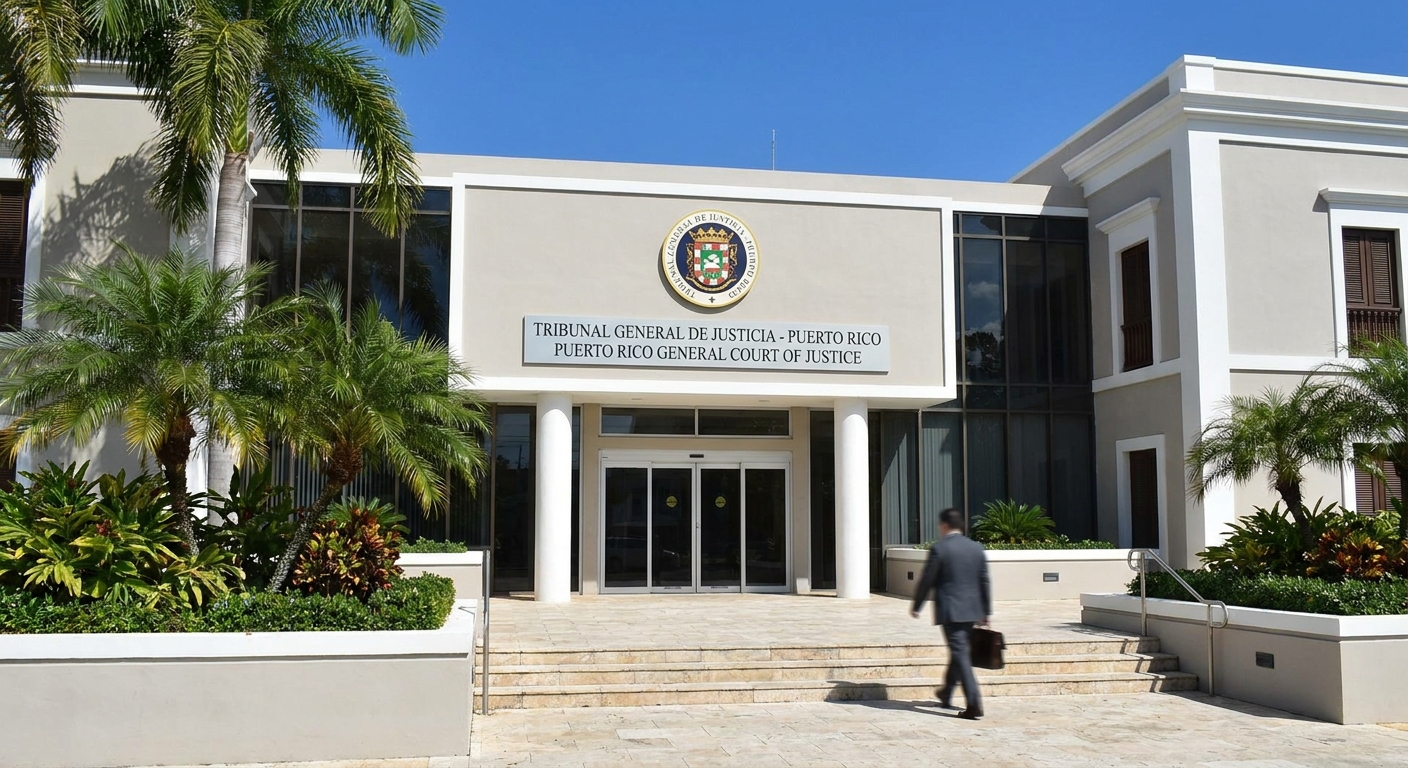

Understanding the Puerto Rico Local Courts System Matters to Your Business Operations
If you conduct business in Puerto Rico or hold property here, you will eventually interact with the local court system. Whether you face a commercial dispute, need to enforce a contract, or must defend against a claim, the structure and procedures of Puerto Rico's courts directly affect your timeline, costs, and outcomes. The Puerto Rico local courts system operates under civil law principles inherited from Spanish legal tradition, combined with modern procedural rules. This framework differs significantly from the U.S. federal court system and from common law jurisdictions on the mainland. Business owners and investors who understand how these courts function make better decisions about dispute resolution, contract drafting, and risk management.
The Structure of Puerto Rico's Court System
Puerto Rico maintains a unified court system organized into several tiers. The Supreme Court of Puerto Rico sits at the top and serves as the final appellate authority for cases originating in lower courts. Below the Supreme Court are the Courts of Appeals, which hear appeals from trial courts and review both factual and legal determinations. The trial courts, known as the Court of First Instance, handle original jurisdiction over most civil, criminal, and commercial matters. Within the Court of First Instance, specialized divisions exist for different case types, including commercial cases, family matters, labor disputes, and property issues.
The municipal courts, also called Courts of Limited Jurisdiction, handle smaller civil claims, minor criminal matters, and certain administrative proceedings. These courts have monetary limits on the cases they can hear. Cases exceeding those limits must be filed in the Court of First Instance. Understanding which court has jurisdiction over your matter is essential because filing in the wrong court can result in dismissal or delay.
Puerto Rico also maintains specialized courts for specific purposes. The Land Court handles property registration and title disputes. The Commercial Court, established to handle complex business disputes more efficiently, operates within the Court of First Instance structure but follows streamlined procedures designed for commercial cases. If your dispute involves significant business interests, the Commercial Court may offer faster resolution than general civil courts.
Jurisdiction and Venue in Puerto Rico Courts
Jurisdiction in Puerto Rico courts depends on several factors: the nature of the claim, the amount in controversy, and the location of the defendant or property involved. Personal jurisdiction requires that the defendant either reside in Puerto Rico, conduct business here, or have sufficient contacts with the island for the court to exercise authority. Property jurisdiction exists when real property located in Puerto Rico is the subject of the dispute.
Venue rules determine which specific court within Puerto Rico has the proper forum for your case. Generally, venue lies in the municipality where the defendant resides, where the cause of action arose, or where the property is located. Parties can sometimes agree to change venue by contract, which is common in commercial agreements. If your business contracts include venue selection clauses, those clauses are typically enforceable in Puerto Rico courts, provided they are not unconscionable or contrary to public policy.
For businesses operating under Puerto Rico's tax incentive programs, such as Act 60, understanding jurisdictional issues becomes more complex. Incentive act businesses may have specific contractual provisions addressing dispute resolution, and those provisions must align with Puerto Rico's jurisdictional framework.
Civil Procedure in Puerto Rico Courts
Puerto Rico's civil procedure follows the Puerto Rico Code of Civil Procedure, which is based on civil law traditions rather than common law discovery practices. This means the litigation process differs from what mainland U.S. businesses may expect. Discovery is more limited than in federal courts. Parties do not have broad rights to demand documents or take depositions as a matter of course. Instead, discovery occurs primarily through written interrogatories and requests for documents, with oral depositions available only in specific circumstances or by court order.
The initial pleading stage requires the plaintiff to file a complaint that sets forth the facts and legal basis for the claim. The defendant then files an answer within a specified timeframe. Unlike some U.S. jurisdictions, Puerto Rico courts do not typically allow extensive motion practice before trial. Motions to dismiss for failure to state a claim are less common, and courts generally prefer to proceed to trial rather than resolve cases on procedural grounds.
Trial procedure in Puerto Rico courts involves presentation of evidence before a judge, as jury trials are not available in civil cases. The judge determines both the facts and the law. This means your presentation of evidence and legal arguments must be clear and persuasive to the judge who will decide your case. Expert witnesses are permitted, and their testimony can be critical in commercial disputes involving technical or specialized matters.
The timeline for civil cases in Puerto Rico courts varies depending on court congestion and case complexity. Simple cases may resolve within one to two years, while complex commercial disputes can take three to five years or longer. Understanding this timeline helps you plan your business strategy and assess whether settlement discussions make economic sense.
Commercial Court Procedures and Advantages
The Commercial Court in Puerto Rico was created to provide faster resolution of business disputes. Cases filed in the Commercial Court follow modified procedures designed to reduce delays. The Commercial Court has jurisdiction over disputes involving commercial contracts, business partnerships, corporate governance, and other matters arising from commercial relationships. The monetary threshold for Commercial Court jurisdiction is higher than for municipal courts, ensuring that significant business disputes receive appropriate judicial attention.
Parties can often agree to submit their dispute to the Commercial Court through contractual provisions. If your business operates in Puerto Rico and you anticipate potential disputes, including a Commercial Court selection clause in your contracts can provide procedural advantages. The Commercial Court judges have experience with business matters and understand commercial practices, which can lead to more informed decisions.
The Commercial Court also permits more flexible scheduling and can accommodate the needs of businesses with complex cases. Preliminary conferences with the judge occur early in the case, allowing parties to narrow issues and potentially resolve disputes before trial. This structured approach often reduces litigation costs compared to traditional civil court procedures.
Appeals and Post-Trial Procedures
After a trial court renders a judgment, the losing party may appeal to the Court of Appeals. The appeal process in Puerto Rico focuses on legal errors rather than factual disputes. The Court of Appeals reviews whether the trial court correctly applied the law, whether proper procedures were followed, and whether the judgment is supported by the evidence presented. The appellate court does not retry the case or hear new evidence.
The appeal must be filed within a specified timeframe after judgment, typically within thirty days. Missing this deadline can result in loss of appeal rights. The appellant must file a brief explaining the legal errors claimed and why the judgment should be reversed or modified. The appellee then files a response brief. Oral arguments may be scheduled, though not all cases receive oral argument.
If the Court of Appeals affirms the trial court judgment, the losing party may petition the Supreme Court of Puerto Rico for further review. The Supreme Court has discretion to accept or reject petitions for review. Only cases involving significant legal questions or conflicts in appellate decisions are typically accepted for Supreme Court review.
Post-trial motions can also be filed in the trial court, including motions for new trial or motions to alter or amend the judgment. These motions must be filed within specific timeframes and must raise valid legal grounds. Filing post-trial motions can extend the timeline before an appeal becomes final, but they can also preserve issues for appeal or provide an opportunity for the trial court to reconsider its decision.
Alternative Dispute Resolution Options
Puerto Rico courts recognize and enforce arbitration agreements and mediation provisions. Many commercial contracts include arbitration clauses that require disputes to be resolved through arbitration rather than court litigation. Arbitration can be faster and more private than court proceedings, and arbitrators with industry-specific knowledge can be selected to hear the case.
Mediation is another option available to parties seeking to resolve disputes without trial. A neutral mediator helps the parties communicate and negotiate a settlement. Mediation can occur before litigation begins or during the litigation process. Many Puerto Rico courts encourage mediation and may order parties to participate in mediation conferences.
If your business involves blockchain technology or digital assets, dispute resolution provisions become particularly important. Blockchain compliance and smart contract enforcement raise novel questions about jurisdiction and applicable law. Including clear dispute resolution provisions in your blockchain-related agreements helps ensure that any disputes can be resolved efficiently.
Enforcement of Judgments in Puerto Rico Courts
Obtaining a judgment is only the first step. Enforcing that judgment requires additional procedures. If the defendant does not voluntarily pay the judgment, the prevailing party must pursue collection through execution proceedings. The court can order garnishment of wages or bank accounts, attachment of property, or sale of assets to satisfy the judgment.
Judgment enforcement in Puerto Rico can be complex, particularly if the defendant's assets are located outside Puerto Rico or if the defendant is a foreign entity. Puerto Rico courts can enforce judgments against property located in Puerto Rico, but enforcement against out-of-state assets may require filing suit in other jurisdictions or seeking recognition of the Puerto Rico judgment under applicable law.
Understanding enforcement procedures before litigation begins helps you assess whether pursuing a claim is economically viable. If the defendant has no identifiable assets in Puerto Rico and cannot be reached through other means, the cost of litigation may exceed the potential recovery.
Practical Considerations for Businesses Operating in Puerto Rico
Businesses operating in Puerto Rico should structure their contracts with the local court system in mind. Including choice of law provisions specifying that Puerto Rico law governs the contract ensures predictability. Including venue selection clauses designating Puerto Rico courts or the Commercial Court provides certainty about where disputes will be resolved. Including arbitration or mediation provisions can reduce litigation costs and timeline.
Maintaining clear documentation of business transactions, communications, and performance is essential. Puerto Rico courts rely on documentary evidence, and written records are more persuasive than oral testimony. Email communications, contracts, invoices, and payment records should be preserved and organized in case litigation becomes necessary.
Understanding the differences between Puerto Rico's civil law system and common law systems used in the mainland United States helps prevent costly mistakes. Businesses with operations in both Puerto Rico and the mainland should ensure that their legal strategies account for these differences. What works in a federal court or a U.S. state court may not work in Puerto Rico courts.
If your business involves commercial litigation, banking disputes, or securities matters, the procedural rules and judicial practices in Puerto Rico courts directly affect your strategy. Working with an experienced attorney who understands Puerto Rico's court system and has practiced before these courts is essential to protecting your interests.
Next Steps: Getting Guidance on Puerto Rico Court Matters
The Puerto Rico local courts system is complex, and the stakes in business disputes are high. Whether you are facing a current dispute, drafting contracts to prevent future disputes, or planning your business structure, understanding how Puerto Rico courts operate is fundamental to your success.
Christian M. Frank Fas, Esq. has over 20 years of experience in commercial and business law in Puerto Rico. The firm provides a free initial evaluation to discuss your situation, explain how Puerto Rico courts would handle your matter, and outline your options. During this evaluation, you will receive straightforward advice about jurisdiction, procedure, timeline, and likely outcomes based on the specific facts of your case.
To schedule your free initial evaluation and discuss your business law needs, contact the firm today. The sooner you understand your position and your options, the sooner you can make informed decisions about your business and your disputes.